The Ups and Downs of Service Learning

As a proud Pioneer, our motto: “Private University for the Public Good” is something that has resonated with me since my first quarter on campus. I internalized the idea that we are supposed to train and self-educate at school so we can then go into the world and make it a better place. I’ve always been impressed with how many of our students are involved in philanthropy, the way that our Greek community makes it a priority, and all of the opportunities that DU presents to involve ourselves in our surrounding community.
dharm

However, things get a little sticky when you start taking that motto to the international community. What I mean by that is, I want to ‘help’ and I want to make the world ‘better’. How do I do that without stepping on the culture and identities of others? How can I help, internationally, without living out the negative criticisms of ‘voluntourism’

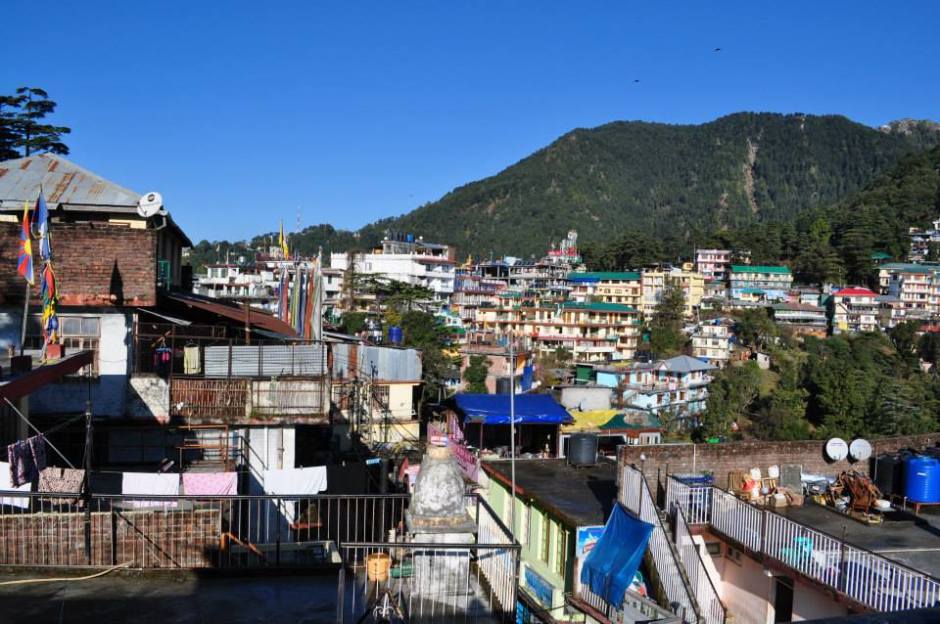
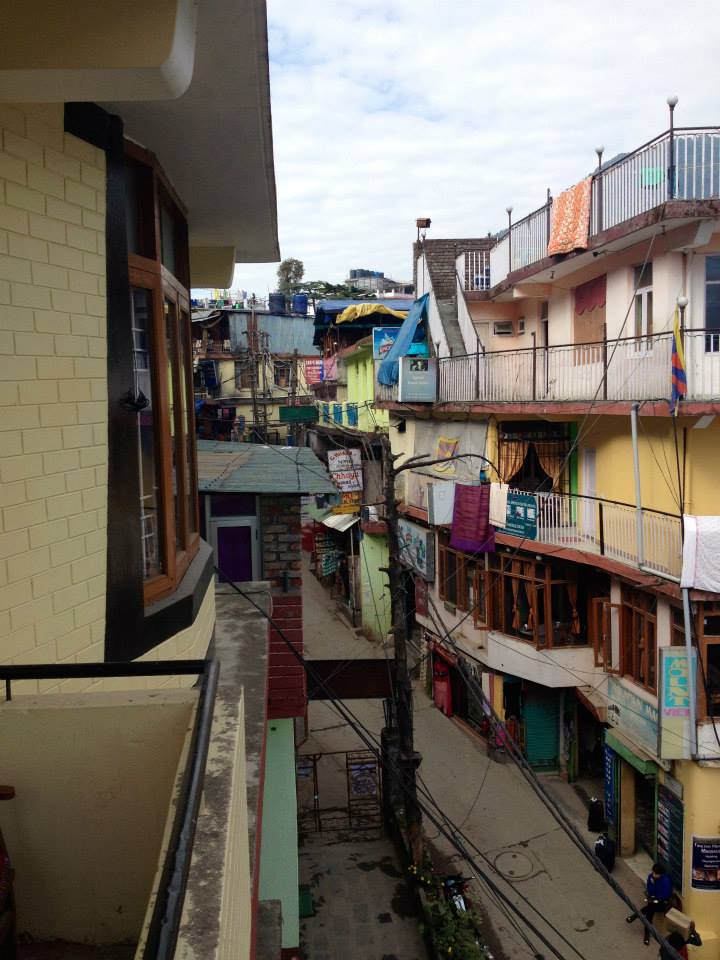
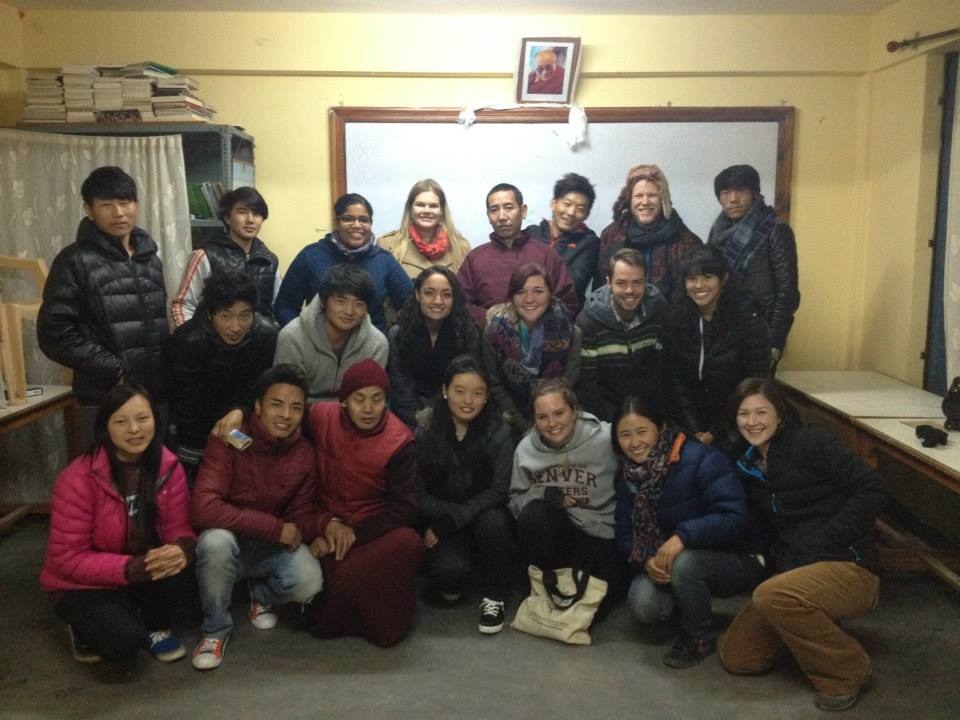
Last Winter Interterm I spent three weeks in Dharamsala, India, teaching English and computer skills to Tibetan refugee women. I signed up through DU’s International Service Learning programs, and went with a group of 15 DU Undergrad and Graduate students. We were a diverse group of students from all across campus, but all came together to study Tibetan Non-Violence, and to volunteer with a Dharamsala Non-Profit for the month of December.

My trepidation before the trip was whether or not my three weeks would actually matter to these women. I was concerned that I was going on this trip to make myself feel good about helping the world, regardless of whether or not I was actually even helping anyone. I bought into the idea that all of us university students are travelling internationally more for selfish reasons than to be selfless. I began to view my trip as just another exercise of privilege.

dharm2

I had a lot of inner turmoil about my choice, and suffered from a bit of self-hate as a voluntourist. However, after coming back from my trip, and after interacting with the community, I learned a few very encouraging things:

  1. Teaching IS helping. Regardless of the fact that I felt 3 weeks was not nearly enough to help anyone, it was three more weeks that those women could be in a classroom with a native English speaker. The Tibetan Women’s Association didn’t have any other teachers during December, so I was actually able to provide them with a tangible service they would have gone without, had I not been there.
  2. Good Intentions can create positive results. Many critics of voluntourism bring up the idiom that ‘the road to hell is paved with good intentions’. I get it. Maybe 18 year old college students with no trade skills aren’t necessarily better at building houses than local trained (but unemployed) carpenters. But… does that mean that we are useless? I don’t think so. I think that the services provided through non-profits often do greatly help communities.
  3. The power of story-sharing. Through interacting with the Tibetan refugee community, so many individuals repeated how cathartic and healing it can be to share their story. In a community facing oppression or expulsion from their home territory, these individuals have felt vindicated by receiving support from the international community. The opportunity to sit and let them tell me their story, no matter how serious or how silly, was enjoyable for me, and seemed immensely valuable to them. They knew that I couldn’t go home and demand political change from President Obama. But we could feel mutually satisfied through connecting with someone across cultures.
dharm3

After my experience living in India for 1 short month, I felt rejuvenated that we truly can make a difference, that DU students interacting with the international community can benefit everyone involved, and that I’m still proud as ever to be a Pio that takes my university experience beyond the borders of our campus.

Tiffany Wilk, Study Abroad Assistant

Study abroad and self-care

Being abroad is an incredibly exciting period in life. It’s a massive privilege, for starters, as being abroad makes you one of relatively few people in the world who not only get to attend college, but get to spend part of that college career in another country. Because of this, and rightly so, most of us feel the need to take advantage of every possible moment we can while abroad. And that’s good! Part of the benefit of studying abroad is pushing yourself out of your comfort zone and discovering new skills and capabilities of which you were previously unaware. It’s discovering a new side of yourself that can only be revealed under pressure, specifically the pressure of coming face to face with a brand new country and culture and trying not to embarrass yourself too much in the process.

Exploring new things (and old cathedrals) in Manchester, England.
In the midst of the desire to grow and develop as a person and see as many museums or ancient structures as possible, it’s easy to let self-care get lost in the shuffle. I recently developed a wicked case of food poisoning, so self-care has been on my mind lately. Here’s 4 tips to help take care of yourself while abroad.
1. Don’t be a typhoid Mary. There’s going to come a point in your abroad experience where you’ll get sick-whether that’s briefly from food poisoning, a cold, or something even more serious, it’s fairly likely you’ll come down with something. The odds are even better if you’re on a longer term abroad experience. But if you find yourself getting sick, don’t push yourself to continue all your usual activities. It’s not doing anyone any favors to be around you while you’re hacking and coughing and sneezing your germs everywhere. At the very least, give yourself a day or two for cold recovery, longer if you’ve come down with the flu or a sinus infection or something more contagious. Taking a day to take care of yourself, sleep a lot, drink a lot of water, and not pass your germs along can only be a good thing.
Good self-care ultimately results in more time to do cool things like take day trips to new cities
2. Learn to recognize social exhaustion. Granted, this is coming from me as an introvert. So if you find yourself on the more extraverted end of the spectrum, take the following with a grain of salt. Being abroad comes with a lot of pressure to make good friends with whom you’ll experience amazing new things. Making friends is an essential part of being abroad, and it’s a good idea to step out of your comfort zone when building a new network in a new country. But do learn to recognize when you need a break. You don’t need to do something social every night in order to make friends. Sometimes it’s just fine to take a night to yourself and go to bed early or watch Netflix or read a book, or do whatever it is that helps you recharge and feel like you’re not being spread too thin.
I am a big fan of sitting in quiet coffee shops to take a break.
Taking some personal time makes social interactions that much better. 🙂
3. Call your parents every so often. I know, I know, you want to live as much in the moment as possible and not be constantly thinking about home. That’s good. Being connected to your host country is important. It speeds up the settling-in process, helps you overcome culture shock, and enriches your experience overall. But don’t completely neglect family. It can be really helpful and refreshing to fill your mom or dad in on whatever’s gone down in the past week, get advice if you need it, and have them make your dogs say hello over skype. And besides, your parents will feel much better seeing you in real time once in awhile than just via your Instagram photos.
My family are a big bunch of nerds who love their footie pajamas, our dogs, and seeing movies together. And I love them for it.
4. Take a few solo walks around your host city. Do it within the bounds of common-sense safety, definitely. But just take half an hour and stroll around a part of the city you haven’t been to yet. Maybe take some of your favorite music along and get a coffee, and just watch the world go by for a little while. Listen to what the birds sound like. Figure out what kind of urban wildlife exists in your new hometown. Mostly, take a little time to breathe and be in your city without feeling the need to rush off somewhere. Taking time to just be in York and not run around it was what helped me really start to feel like a local; like I belong here.
I’m grinning because I just saw two geese fighting a swan. The swan won.
Of course, none of this is an either-or proposition. The whirlwind sightseeing can be great fun! But finding a balance between going a million miles an hour and stopping to (perhaps literally) smell the roses can be the key to really making the most of your study abroad experience.
-Faith Lierheimer, DUSA blogger