

- You Forge Local Relationships
Oh, María. That’s how I start many of my stories about my Spanish host mother. María was the best. She was a chubby, 68, year-old Salamanca native who had hosted students for 30 years, and made my study abroad experience 100 times better. We would huddle around my computer to watch Barcelona soccer matches, she would cook me paella every Sunday, and we would spend dinnertime joking around, watching terrible Spanish television, and talking about our days. When I would come home for a midnight snack, which was more like a 5-6am snack, María started calling me “The Ghost” and asking if “The Ghost” had visited the night before to raid our refrigerator.
Something wonderful about study abroad is that you have time to develop local relationships, whether they’re with your host family, roommate/flat-mate, or other students. No person I met on a weekend or week-long trip has ever impacted me as much as María did with her kindness and fun home atmosphere. She taught me to be more blunt and reinforced me to shamelessly laugh at myself, whenever possible.
- Find Local Gems
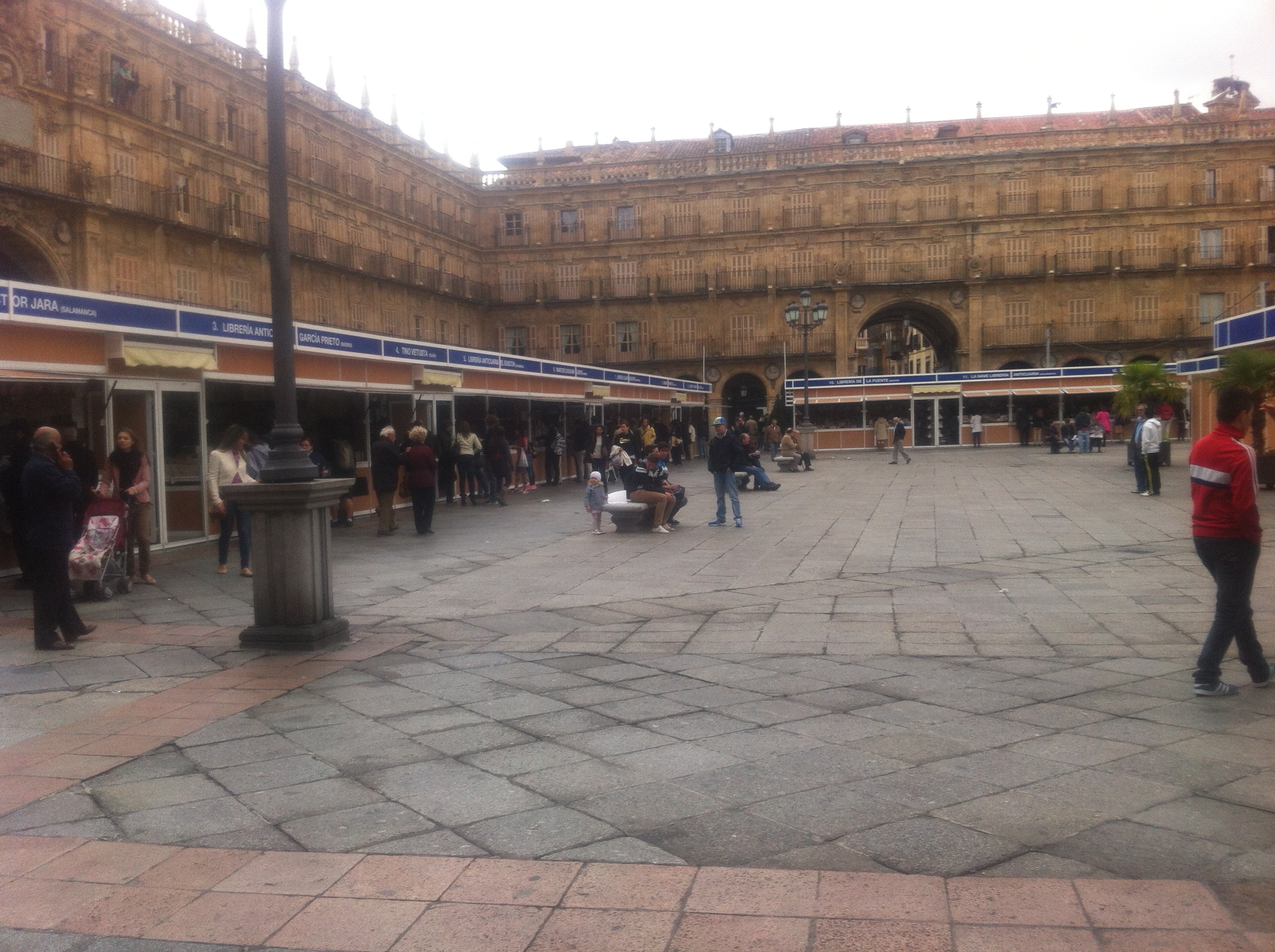
Let’s just say Trip Advisor only goes so far. Yes, it will give you the best restaurants, destinations, etc., but sometimes you don’t want the “best” experience, you want a genuine one. My favorite spots in Salamanca were the ones I made my own, like the coffee shop I would go to after class to chat with Beatriz, who would give my friend Ian and I advice, or the Erasmus Bar where my team and I would play trivia every Wednesday (we won thrice, I might add). None of those places would make a website because they were unspectacular at face value, until you made a memory in them.
- You live outside your comfort zone
Some say that growth comes from discomfort, which I agree with 100%. Growing as a person means exposing yourself to new experiences, feelings, and situations that lie outside of the status quo. The wonderful thing about study abroad is that you are uncomfortable all the time, so by default you’re growing all the time. Whether you’re navigating a new country in a new language, battling your way through classes, meeting new people, missing old people, or finding your niche in your new home, study abroad is difficult at times, and it SHOULD BE. If everything has a shiny exterior and you never come across a meaningful challenge, you miss the depth that leads to growth. There was one weekend, pretty early into my study abroad experience, where the eight people I knew were out of town, and I almost went Jack Nicholson-style The Shining on everyone due to cabin fever. That experience prompted me to be more proactive, but also helped me learn how to be alone and made me a better person.
- You learn street smarts AND book smarts
First of all, when you’re studying abroad, you’re ideally doing some studying. Wow, novel concept here, I know.
While I was in Spain, I took Portuguese classes, a class on the history of the Jews in Spain, a class on Spanish literature, and the History of Philosophy, of which I learned a lot, to the point where I still have trouble calling philosophers by their English names. Aristotle or Aristoteles? I don’t know either…
But, moreover, you also learn street smarts. You learn the skills necessary to navigate uncomfortable situations (cough, exactly what I mentioned in the last reason, cough). I had my passport stolen my first night in Morocco, which makes most problems a cakewalk when I face them now. At least I’m not in a foreign country and speak none of the national languages desperately trying to find a way home…
- You have the opportunity to travel and live in the world.
Now, in case you were worried, I’m not advocating for a study abroad trip with no travel when I mentioned finding local gems and forging local relationships. I had a blast visiting other places in Europe while I was abroad and have many friends whose travel stories are mind-blowing. What I am advocating for is for you to soak it up when you’re out there. This is usually a once in a lifetime opportunity, make sure you leave a different person than when you entered.

-Max Spiro, Study Abroad Assistant




 DU Abroad