
Every day is an adventure in Senegal. Nothing is certain, but somehow everything turns out right in the end. With a little help and a lot of trust, anything is possible. But you’ve got to roll with the punches, make fast friends, and hold on tight to your confidence.
Here is a typical itinerary for a day trip from Ndangalma to Toubacouta:
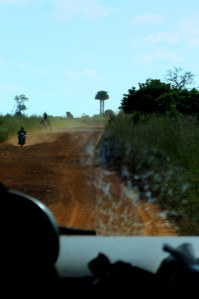
- Start shortly after sunrise. Get on the back of your host father’s or brother’s or neighbor’s motorbike. Ride to the main road as the moto bucks over the potholes and rocks in the unpaved road. (15 minutes)
- Arrive at the main road. Wait for the bus. Tune out while your host father/brother/neighbor strikes up a conversation with a stranger. (20 minutes)
- When the bus arrives, find a seat and try not to hit anyone with your bag. The stranger will sit next to you. Try to be comfortable and not freaked out.
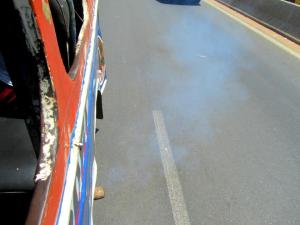
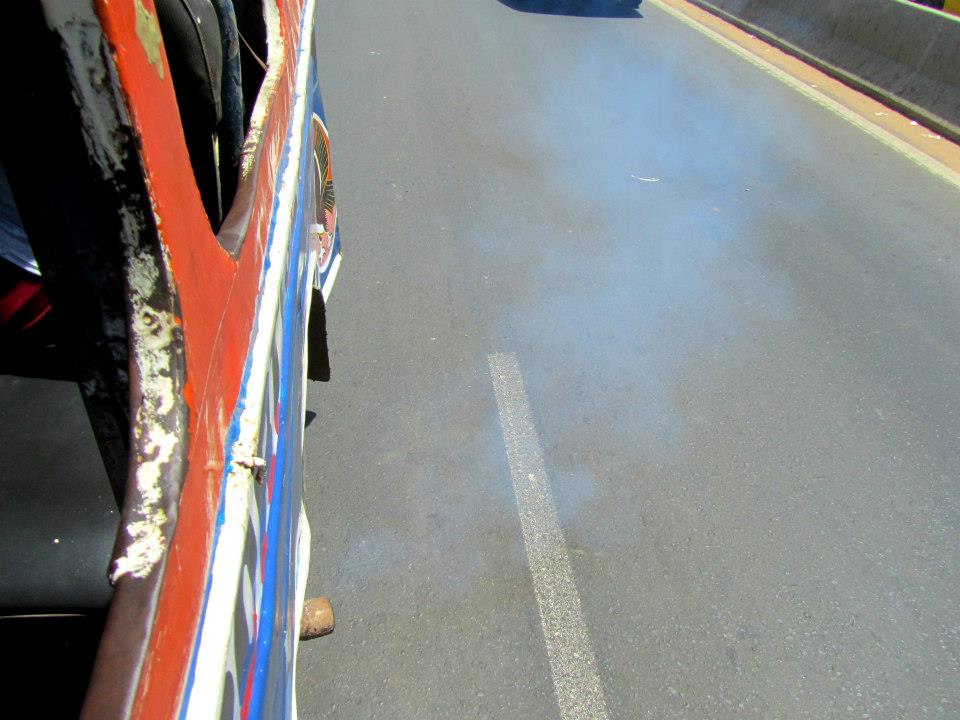
- Don’t bother trying to get fresh air from outside. Your own bus is spewing blue exhaust. (1 hour)
- Arrive in Djourbel. The stranger exits the bus with you, and directs you to another stranger, who is apparently now in charge of watching over you, as the last one was. Realize belatedly that you should thank him for accompanying you. He helps you find a taxi, which you will share with a woman who clearly knows what’s going on but isn’t telling you.
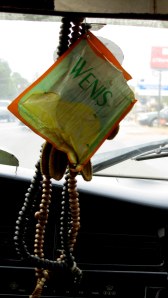
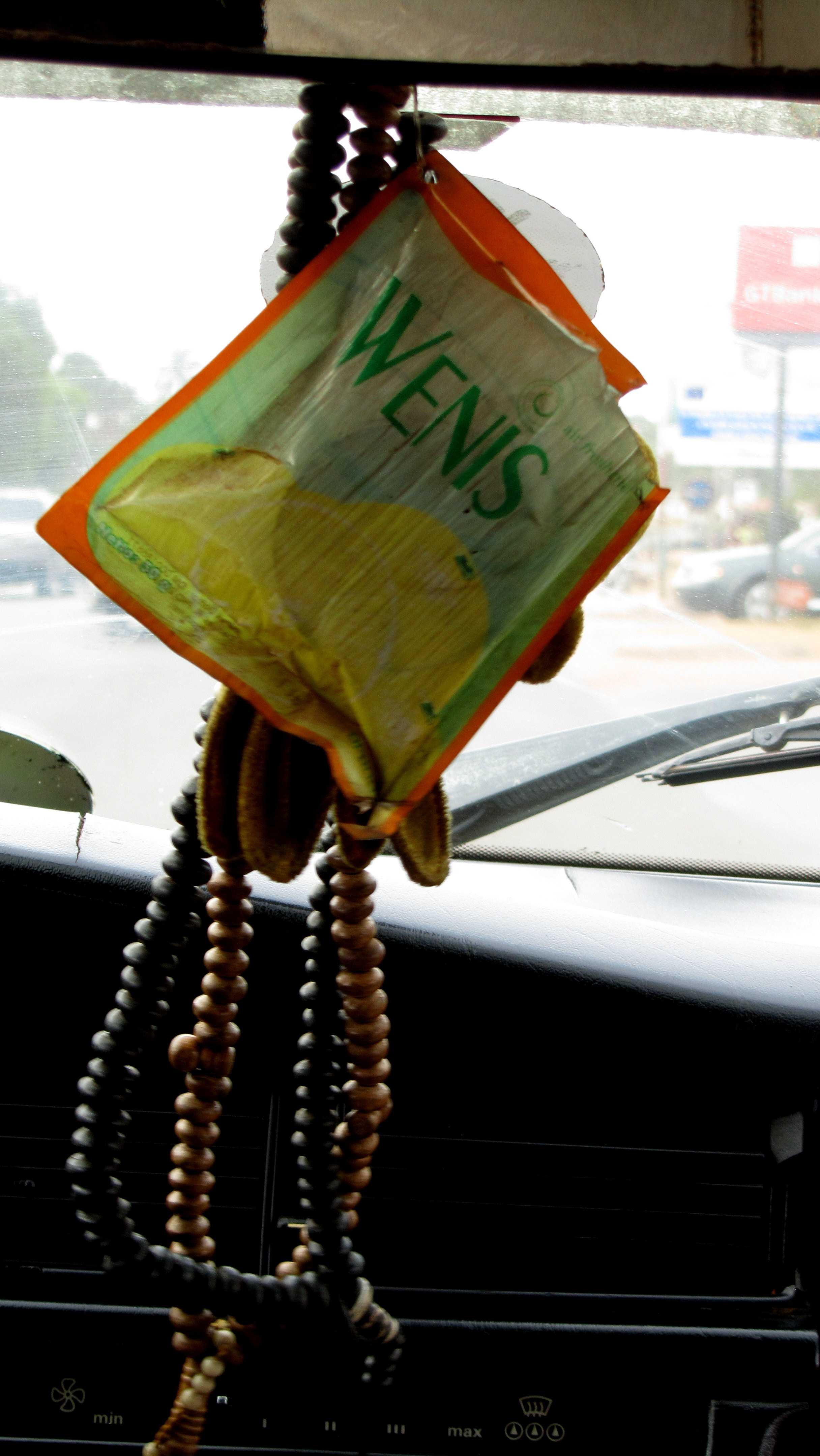
- Note the taxi’s air freshener. Realize that you had actually already passed the garage on the bus route but no one told you. (30 minutes) Pay for the woman who shared the cab with you. Remain confused as to who she is. Thank the taxi driver.
- Find a sept-place (a beat up old station wagon with seven seats) and negotiate a price. (10 minutes)
- Wait for the sept-place to fill up with large women in flowing boubous and old men with coughs. (1 hour)
- Realize that you got the worst seat in the car: your head hits the window at every bump in the road. The roads are nothing but bumps. The man next to you is trying to stretch his long legs and arms, ignoring you completely. Go to your happy place. Give up after a particularly strong jolt leaves your face print on the window. Try to fall asleep. (30 minutes)
- Wake up disoriented with a piercing headache. Try to figure out if you’re still going in the right direction. Use broken Wolof to ask the driver, who just laughs and winks. ( 4 hours)
- Arrive at garage in Kaolack. Exit the sept-place only to be swept into the arms of a handsome moto driver who tells you that you are at the wrong garage. Nothing is going according to plan. (3.5 seconds)
- Somehow he convinces you to let him drive you to the correct garage. Pay him 500FCFA, climb awkwardly onto the back of his moto (you’ve been in an ankle-length wrap skirt this entire time), and hope for the best. (1 minute)
- He is a horrible driver. Hold onto his waist for dear life and bury your face in his back. You are paralyzed, muttering, “bad, bad, bad” under your breath as he turns his head and waves to a friend. The moto bucks as a speeding Renault rushes past. Feel embarrassed because you had to hike up your skirt and your knees are showing. (20 excruciating minutes)
- Actually arrive at the garage even though you believed he was planning to take you somewhere for tea. Thank him, and decline his marriage proposal.
- Fight through a crowd of vendors to reach a car bound for Toubacouta. Negotiate for a new sept-place. Realize too late that you have once again been relegated to the crappy scrunched seat in the back. Consider crying. (15 minutes)
- The sept-place has made great progress down a smooth stretch of road. Your car stops to help a similar vehicle which won’t start. Smoke is pouring from under the hood. Your driver finally gives up and continues the drive. (30 minutes)
- Hit the worst stretch of road yet. Stare at the ground, visible through the hole in the floor by your left foot. Contemplate walking the rest of the way. Fall asleep instead. (1 hour)
- Wake up because the woman next to you is shaking you on the shoulder and saying toubab over and over. Get up! It’s your stop. The other six passengers wait patiently for you to get oriented, only grumbling a little as you clumsily climb around them out of the car. (5 minutes)
- Walk aimlessly around the town until your friend gets off work. Eat chocolate mousse, laugh about your day, and stretch your cramped muscles. Prepare for a relaxing weekend.
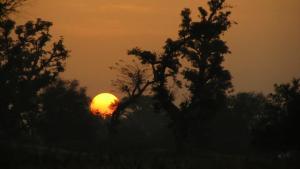
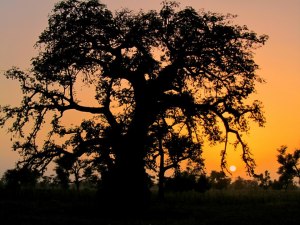
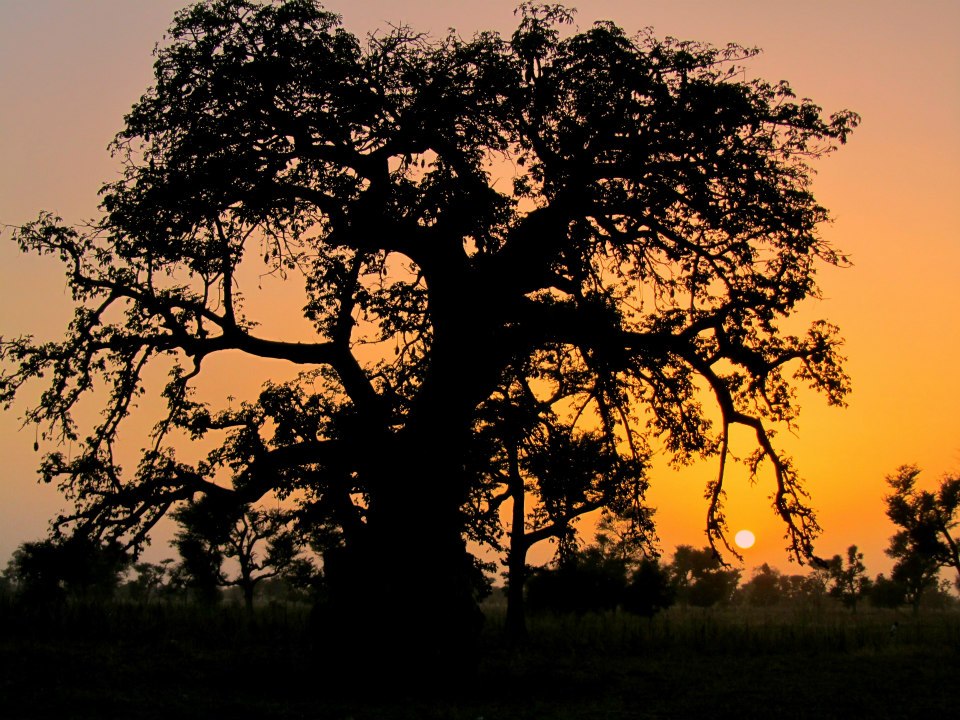
- The sunset over the river serves as a reminder for why you took the trip in the first place.


In a way, this trip was representative of my entire semester in Senegal. I was usually confused to some degree, I was always a little tired, often uncomfortable, and never fully in control. I had to rely on good luck, the kindness of strangers, and my own ingenuity. That combination makes even the smallest things an adventure.
Mollie Doerner- DU Study Abroad Peer Advisor

 DU Abroad