5 Reasons Why Studying Abroad Makes You A Better Person

  1. You Forge Local Relationships

Oh, María. That’s how I start many of my stories about my Spanish host mother. María was the best. She was a chubby, 68, year-old Salamanca native who had hosted students for 30 years, and made my study abroad experience 100 times better. We would huddle around my computer to watch Barcelona soccer matches, she would cook me paella every Sunday, and we would spend dinnertime joking around, watching terrible Spanish television, and talking about our days. When I would come home for a midnight snack, which was more like a 5-6am snack, María started calling me “The Ghost” and asking if “The Ghost” had visited the night before to raid our refrigerator.

Something wonderful about study abroad is that you have time to develop local relationships, whether they’re with your host family, roommate/flat-mate, or other students. No person I met on a weekend or week-long trip has ever impacted me as much as María did with her kindness and fun home atmosphere. She taught me to be more blunt and reinforced me to shamelessly laugh at myself, whenever possible.

  1. Find Local Gems

Let’s just say Trip Advisor only goes so far. Yes, it will give you the best restaurants, destinations, etc., but sometimes you don’t want the “best” experience, you want a genuine one. My favorite spots in Salamanca were the ones I made my own, like the coffee shop I would go to after class to chat with Beatriz, who would give my friend Ian and I advice, or the Erasmus Bar where my team and I would play trivia every Wednesday (we won thrice, I might add). None of those places would make a website because they were unspectacular at face value, until you made a memory in them.
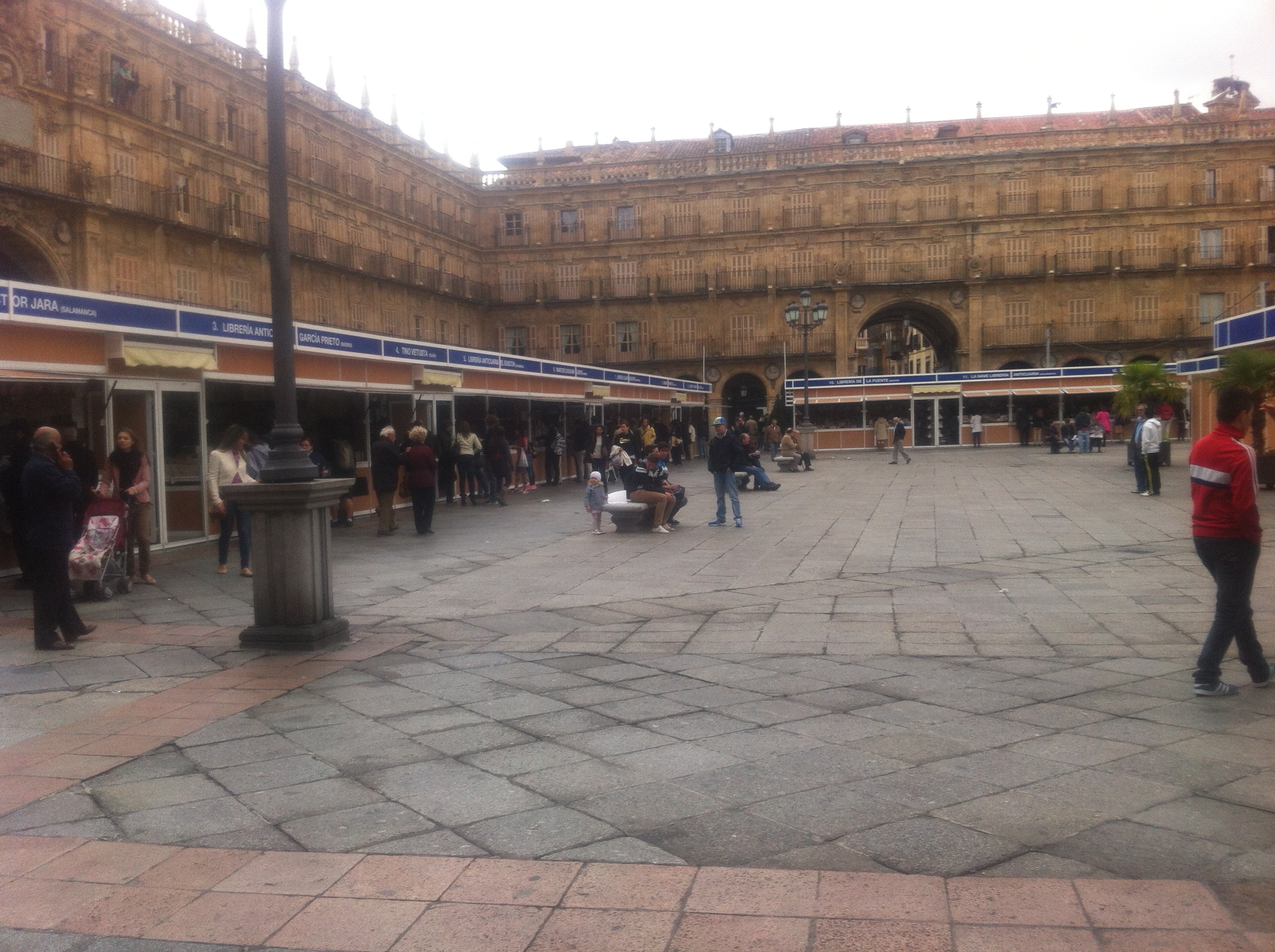
A book fair came to Salamanca, which was a ton of fun to walk through
  1. You live outside your comfort zone

Some say that growth comes from discomfort, which I agree with 100%. Growing as a person means exposing yourself to new experiences, feelings, and situations that lie outside of the status quo. The wonderful thing about study abroad is that you are uncomfortable all the time, so by default you’re growing all the time. Whether you’re navigating a new country in a new language, battling your way through classes, meeting new people, missing old people, or finding your niche in your new home, study abroad is difficult at times, and it SHOULD BE. If everything has a shiny exterior and you never come across a meaningful challenge, you miss the depth that leads to growth. There was one weekend, pretty early into my study abroad experience, where the eight people I knew were out of town, and I almost went Jack Nicholson-style The Shining on everyone due to cabin fever. That experience prompted me to be more proactive, but also helped me learn how to be alone and made me a better person.

  1. You learn street smarts AND book smarts

First of all, when you’re studying abroad, you’re ideally doing some studying. Wow, novel concept here, I know.

While I was in Spain, I took Portuguese classes, a class on the history of the Jews in Spain, a class on Spanish literature, and the History of Philosophy, of which I learned a lot, to the point where I still have trouble calling philosophers by their English names. Aristotle or Aristoteles? I don’t know either…

But, moreover, you also learn street smarts. You learn the skills necessary to navigate uncomfortable situations (cough, exactly what I mentioned in the last reason, cough). I had my passport stolen my first night in Morocco, which makes most problems a cakewalk when I face them now. At least I’m not in a foreign country and speak none of the national languages desperately trying to find a way home…

  1. You have the opportunity to travel and live in the world.

Now, in case you were worried, I’m not advocating for a study abroad trip with no travel when I mentioned finding local gems and forging local relationships. I had a blast visiting other places in Europe while I was abroad and have many friends whose travel stories are mind-blowing. What I am advocating for is for you to soak it up when you’re out there. This is usually a once in a lifetime opportunity, make sure you leave a different person than when you entered.

Taking in the beach in Tangier, Morocco

-Max Spiro, Study Abroad Assistant
The Ups and Downs of Service Learning

As a proud Pioneer, our motto: “Private University for the Public Good” is something that has resonated with me since my first quarter on campus. I internalized the idea that we are supposed to train and self-educate at school so we can then go into the world and make it a better place. I’ve always been impressed with how many of our students are involved in philanthropy, the way that our Greek community makes it a priority, and all of the opportunities that DU presents to involve ourselves in our surrounding community.

dharm

However, things get a little sticky when you start taking that motto to the international community. What I mean by that is, I want to ‘help’ and I want to make the world ‘better’. How do I do that without stepping on the culture and identities of others? How can I help, internationally, without living out the negative criticisms of ‘voluntourism’

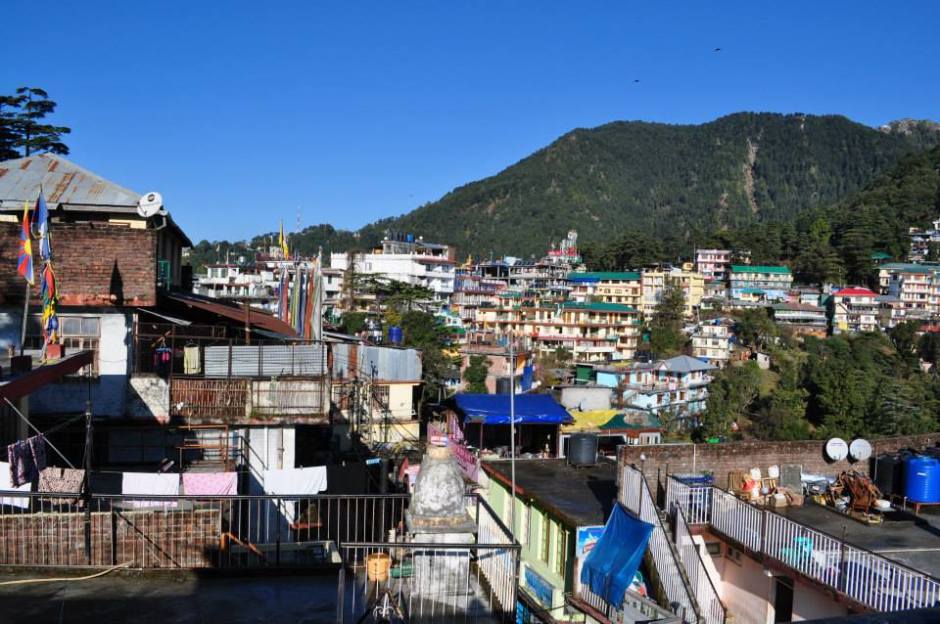
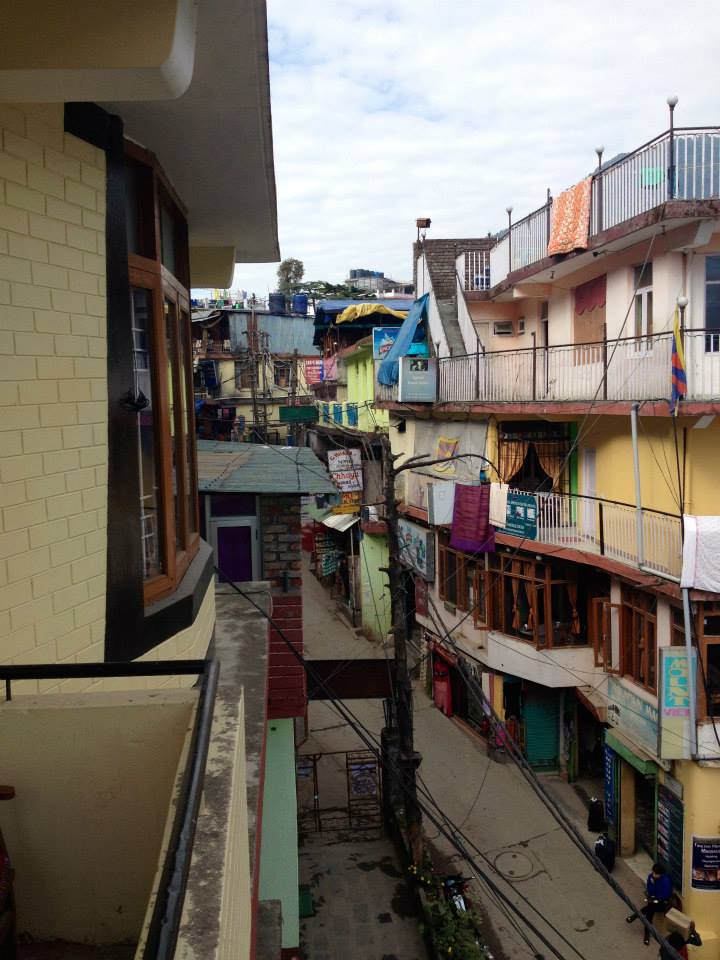
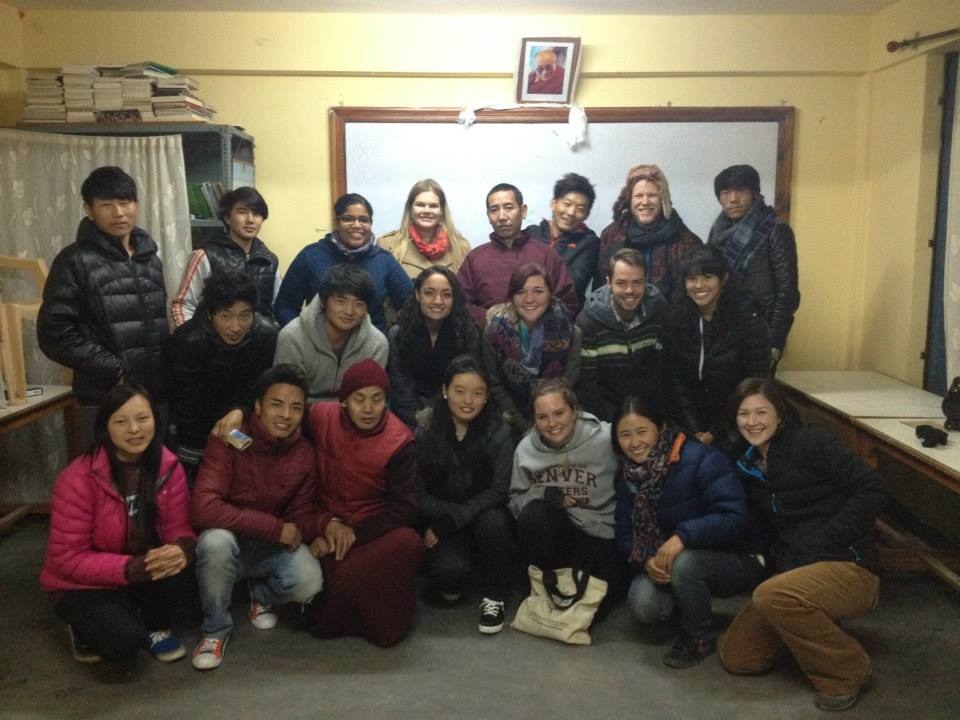
Last Winter Interterm I spent three weeks in Dharamsala, India, teaching English and computer skills to Tibetan refugee women. I signed up through DU’s International Service Learning programs, and went with a group of 15 DU Undergrad and Graduate students. We were a diverse group of students from all across campus, but all came together to study Tibetan Non-Violence, and to volunteer with a Dharamsala Non-Profit for the month of December.

My trepidation before the trip was whether or not my three weeks would actually matter to these women. I was concerned that I was going on this trip to make myself feel good about helping the world, regardless of whether or not I was actually even helping anyone. I bought into the idea that all of us university students are travelling internationally more for selfish reasons than to be selfless. I began to view my trip as just another exercise of privilege.

dharm2

I had a lot of inner turmoil about my choice, and suffered from a bit of self-hate as a voluntourist. However, after coming back from my trip, and after interacting with the community, I learned a few very encouraging things:

  1. Teaching IS helping. Regardless of the fact that I felt 3 weeks was not nearly enough to help anyone, it was three more weeks that those women could be in a classroom with a native English speaker. The Tibetan Women’s Association didn’t have any other teachers during December, so I was actually able to provide them with a tangible service they would have gone without, had I not been there.
  2. Good Intentions can create positive results. Many critics of voluntourism bring up the idiom that ‘the road to hell is paved with good intentions’. I get it. Maybe 18 year old college students with no trade skills aren’t necessarily better at building houses than local trained (but unemployed) carpenters. But… does that mean that we are useless? I don’t think so. I think that the services provided through non-profits often do greatly help communities.
  3. The power of story-sharing. Through interacting with the Tibetan refugee community, so many individuals repeated how cathartic and healing it can be to share their story. In a community facing oppression or expulsion from their home territory, these individuals have felt vindicated by receiving support from the international community. The opportunity to sit and let them tell me their story, no matter how serious or how silly, was enjoyable for me, and seemed immensely valuable to them. They knew that I couldn’t go home and demand political change from President Obama. But we could feel mutually satisfied through connecting with someone across cultures.

dharm3

After my experience living in India for 1 short month, I felt rejuvenated that we truly can make a difference, that DU students interacting with the international community can benefit everyone involved, and that I’m still proud as ever to be a Pio that takes my university experience beyond the borders of our campus.

Tiffany Wilk, Study Abroad Assistant