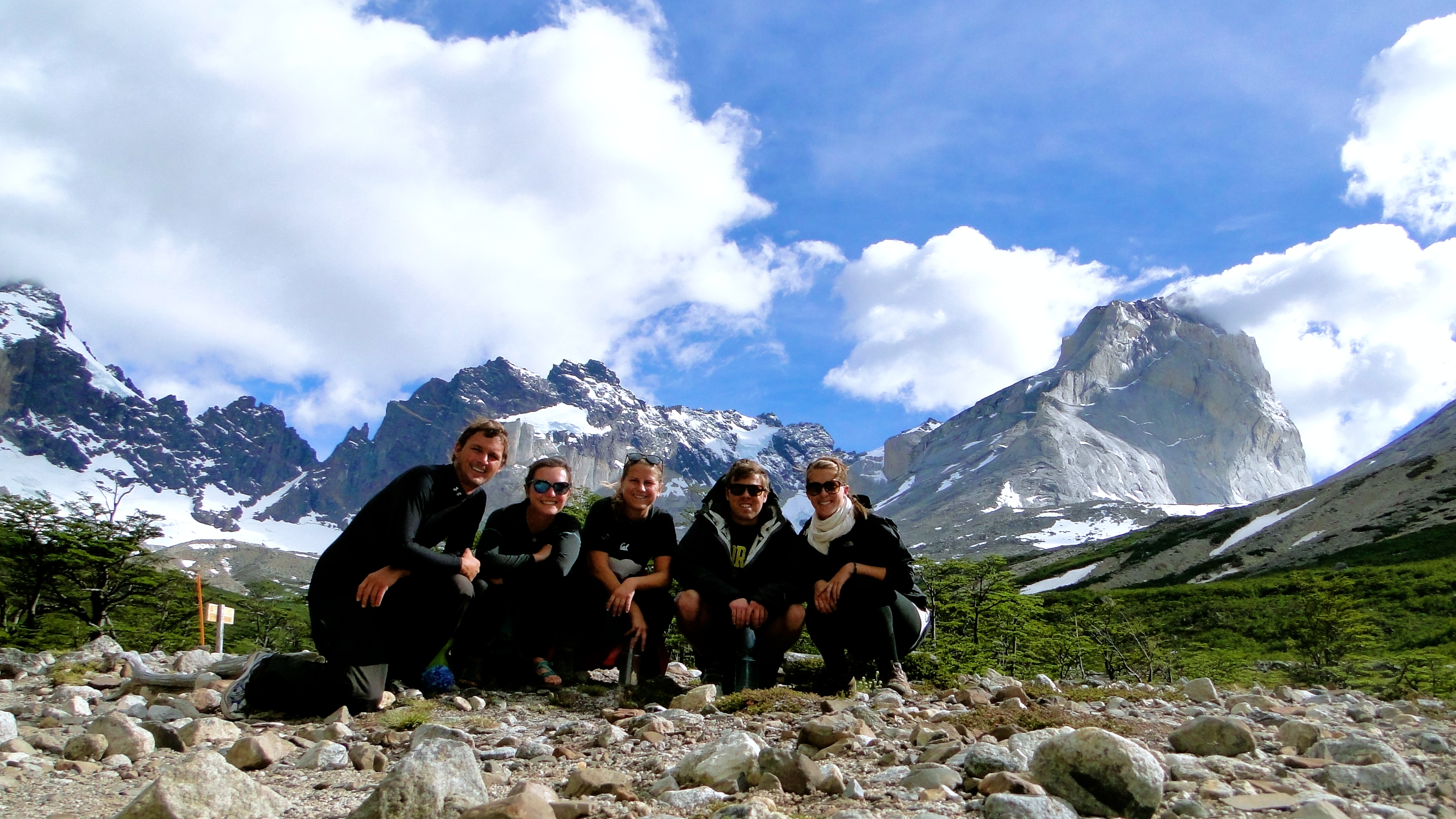
Blending in while abroad

When traveling abroad people will notice your “American-ness,” regardless of race, gender, ethnicity or sexual orientation. The simple fact is that this country leaves an indelible mark on you, from your sense of style, actions, mannerisms or political viewpoint that will be “tells” indicating your foreignness.

In no way am I trying to attack individuality, it has just been my experience that there are some things that stick out in me that indicate I am from the U.S. I have had the unique opportunity to travel to 18 different countries. My mother is Mexican-American and my father is Afro-Jamaican. I always thought that my racial ambiguity would be a sort of shield in traversing the globe; believing it protected me from American stereotypes, which can cause challenges or misunderstandings. In many respects, this has been the case. For instance, it is much easier for me to walk down the streets of Kingston, Jamaica as a “brown” male, regardless of my heritage, when compared to a “white” female.

However, this has not always been the case. One instance in particular, while traveling on a crowded bus through the Andes, let me know just how telling my “Americaness” was. I am very self-conscious about my Spanish; it is not very good and my accent is very noticeably American. As a result, I try never to speak too loudly in public settings, and limit how much I say so I don’t stand out. Also, as I mentioned earlier, I could easily be mistaken as a resident of any number of countries in the region. However,  in this instance, I was called out by one of the traveling salesman that hop on and off the bus at every stop, as he referred to me as “Yankee” without me doing or saying anything.

This was not the first and probably won’t be the last time I will be viewed as an American without displaying any obvious indicators. But, I have found ways to limit the exposure of those “tells,” regardless of who you are:

  1. Don’t bring white name-brand sneakers. Shoes are a luxury in much of the world. If you are lucky enough to have two pairs, one is designated for everyday living and the other for church or other formal engagements. Wearing nice white sneakers are a dead giveaway that you are a foreigner and have the means to afford a shoe that gets dirty quickly.
  2. Keep your University of Denver shirts, hoodies and sweatpants at home-You are basically wearing a big sign on your chest that indicates where you are from, your age and why you are there. Also, this attire is informal, which is odd in much of the world.
  3. Keep your voice down-Yes, it is true, Americans are loud and very opinionated. There’s nothing wrong with this fact, however, there is a time and place for everything and sitting on a quite bus is no place to complain about a lack of facilities, or being hungry, or feeling “gross.”
  4.  Walk upright and be confident-Of course you are unsure about where you are going and what you are doing. Who wouldn’t be in a foreign country with a foreign language? The point is that nobody else needs to know. Be confident in your direction and walk down the street with a sense of purpose.  Aggressive vendors love tourists who have wandering eyes and walk a stop-and-go pace. 

– Pablo Hester, DUSA Graduate Peer Advisor
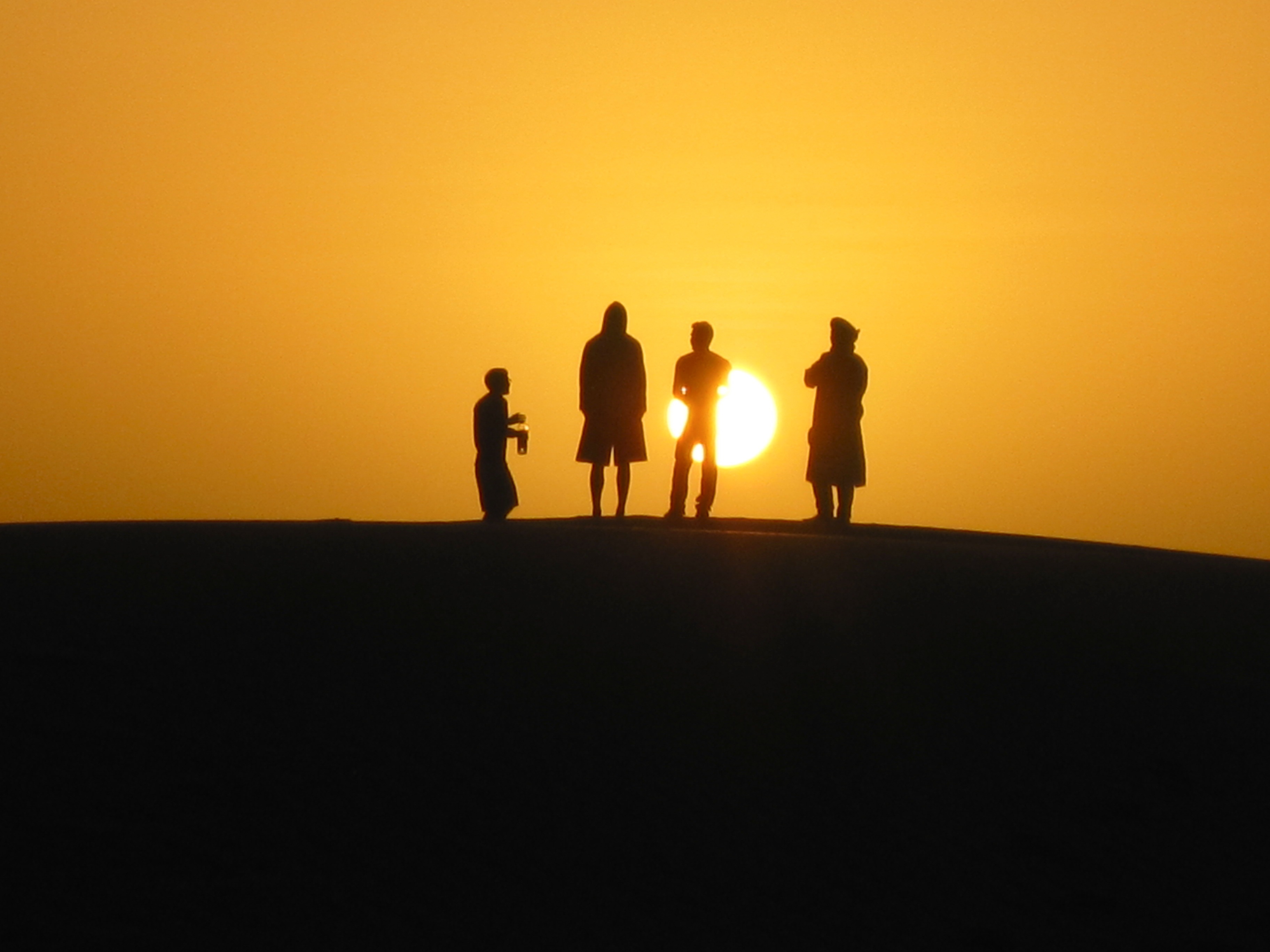
Debunking Reasons against Studying Abroad

As seen in Transitions Abroad Magazine September/October 2003

By Brian Harley

Where can I go to get to other places?” paraphrases a question that I once received from a student. The allure of education abroad, through study and travel (not necessarily in that order), surpassed my passé mantra of academic rigor, cultural entry points, and provisions for safety and security. Travel persuasion was not necessary. I could already imagine her standing before a world map, filling it with pushpins.

Other students need more assurance. The academic and personal leap of faith can be a process, not a plunge. Some students may feign having “just a few more questions”—ultimately indicating good old-fashioned hesitation. Study abroad advisers are in a unique position to help students see past needless constraints and encourage them to pursue their dreams. One can easily think of ten common concerns, which unanswered could prevent a student from having a transformative educational experience abroad. My “Top Ten Reasons Not to Consider Not Studying Abroad” reflect comments from real-live students as well as a condensed form of my answers, and resources that study abroad advisers should keep in mind.

Photo: Luke Harden, DU Student Studied in Spain
Photo: Luke Harden, DU Student
Studied in Spain

1. It will cost too much.

Students may be surprised! In many cases, students find that they pay no more to study abroad than to attend their home college for a semester or a year. Most state and federal financial aid transfers.

2. My grades will go down.

Students’ grades may stay the same. Despite the fear of a dropping GPA, many students return with the same GPA as when they left. If students study hard and keep up, their grades tend to show it (just like in the States). Advisors can help diminish this fear by citing some pre- and post-study abroad GPAs.

3. My courses won’t transfer.

If students plan ahead, courses will transfer. As soon as students arrive on campus the options should be described. At PurdueUniversity a letter was sent to over 7,000 first-year students before they arrived. The study abroad advisor should make sure that his or her advice agrees with the recommendations of the academic advisor. For example, courses should satisfy major, minor, or general studies credit requirements, not those few precious elective credits.

4. No university abroad will have the courses that I need taught in English.

Many study centers abroad have selected courses in most of the general academic disciplines. Urge students to look at course offerings both in English and in the language of the host country. Independent studies may be possible too, if arrangements are made in advance.

Lauren Rosenthal, DU Student Studied in Scotland
Photo: Lauren Rosenthal, DU Student
Studied in Scotland

5. I am an introvert.

Remind students that making a new home abroad for a semester or year is unnerving for everybody, and people who are naturally introverted may find themselves even more daunted after trying to make a conversation in a second language with new acquaintances. But they don’t have to be “the life of the party.” Introverts will learn language and culture just as well as extroverts, and they may grow in ways they never imagined.

6. I am a leader and my school cannot get along without me.

Great! These students can now become leaders overseas. Students’ concern that their school will “miss them” will eventually be far overshadowed by the experiences they will have. Students develop more self-confidence than they ever imagined and come home with even more mature leadership skills. But for that, they’ll truly “have to be there!”

7. I don’t know anybody who is going.

In many cases most students do not know the others in their group. But they all have one thing in common—willingness to risk the adventure of living and learning in a different country. Some have made life-long friends in the process.

Photo: Kaitlyn O'Sullivan, India
Photo: Kaitlyn O’Sullivan, DU Student
Studied in India


8. I have never done anything like this before.

Most people never do this. Emphasize to students that it is a tremendous privilege to be able to study abroad. On-site staff will help students to understand what they need to do to adjust to a completely new environment.

9. I don’t have very good reasons to study abroad.

There is not one single “litmus test” for study abroad. There are as many “good reasons” to study abroad as there are good programs. Students become international citizens. They learn a new cultural system and see their own from a new perspective. And, they build resumes and relationships while growing intellectually and culturally.

Photo: Kylee Swiggart, DU Student Studied in Chile
Photo: Kylee Swiggart, DU Student
Studied in Chile

 10. I do not know how to contact study abroad providers.

Study abroad advisers, providers, and other professional make it easy. Students can talk with on-campus study abroad advisers and other students who have studied abroad; surf the web; and read Transitions Abroad.

Study abroad advisers are uniquely positioned to view the transformation that comes from an overseas experience. Perhaps one of the chief constraints is the imagination of the student. Advisers are to be lauded for their challenging role as administrators, advocates, consultants, and, perhaps, detectives. Sometimes only after myths are debunked can students let their imagination wander overseas, followed by their body.

DR. BRIAN HARLEY, Director of Programs for Study Abroad at Purdue Univ. (www.studyabroad.purdue.edu). Contact him at bharley@purdue.edu.