For those of you who will be in Europe, there’s one trip that you HAVE to take. Head south to Africa! When I studied in the UK, I planned a week-long trip that took me through Spain and to Morocco, and I have to tell you, it’s easier than you would think. Here’s a step by step list of recommendations I have, which hopefully can help you plan a great trip and enjoy a once in a lifetime experience in Northern Africa.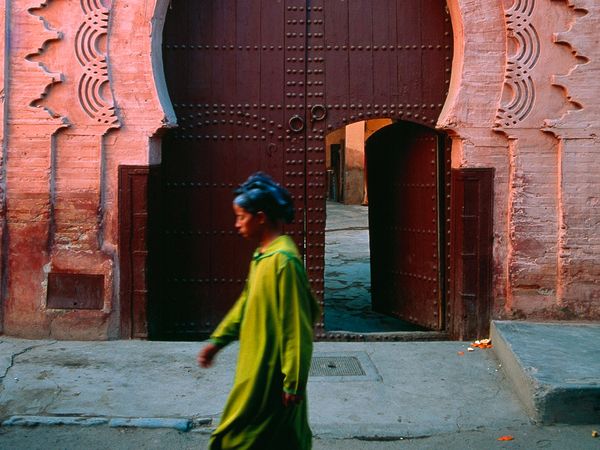
Step 1: Get to Southern Spain
For those of you already in Spain this will be a breeze. Just take a bus to Algeciras or Tarifa. These are the best port cities to travel from, but there are other options too. If you are coming from elsewhere in Europe, train is a great option, or Ryan Air and Easy Jet (my roundtrip ticket from London to Granada was only £20!).
Step 2: Get to Morocco
Now I spent all my time in Marrakesh, so I’ll tell you how I did that. The key is to get to Tangier first, and from there you can get anywhere in the country.
From the port cities in Spain you’ll take a short ferry trip (I remember it being about an hour, but I could be wrong!). You can get tickets here: http://gospain.about.com/od/ferries/qt/ferries_morocco.htm
I recommend buying tickets once you get to the port, that way you’re not rushed to get there on time, but know the times available! If you do buy at the port, buy within the port itself! There are LOTS of little vendors everywhere outside the port building promising you lots of deals. While a lot of these are real groups, there are also scams, so to be safe I would go ahead and buy from the port authorities themselves. My roundtrip port ticket was €68. It’s best to buy the roundtrip ticket all at once. You do get a better price, and you’re guaranteed your seat on the way back!
Step 3: Getting Out of Tangier
Tangier is the main port city in Morocco for arrivals from Spain. We didn’t spend any time staying in town. Once you’re off the ferry, you want to get to the main train station. The best bet is a taxi. MAKE SURE YOU HAVE PLENTY OF CASH!!! We had a heart-attack moment when none of the ATMs would take our cards. Later, we were told that it’s a scam to force you to actually trade Euros to local money changers, and not go ahead and take out Dirhams while you’re there. Whether or not that’s true, we were really lucky that we had plenty of cash to be able to pay the taxi driver and the train tickets. Better safe than sorry! PS—we had no problem using the ATMS once we were in Marrakesh.
At the train station, you can book an overnight train to Marrakesh. I recommend that you book first class—you get a private 4 bed compartment (2 bunk beds), so really it’s the safest and most comfortable option. The good news is that the Dirham is about 8 to the dollar, so price wise it’s not bad.
Step 4: A Place to Stay and Things to Do
In Marrakesh, I recommend staying in a hotel instead of a hostel. Generally, they are more centrally located, offer more services and cost less than the typical European hostel. We stayed at a 3 star hotel and were right off of the central Plaza.
Things you shouldn’t miss in the city:
- The Souks markets
- Orange juice in the Jeema El Fna (the central Plaza). Pick one vendor and stick with him—he can give you great tips on what to see!
- Moroccan Baths—offered by many of the hotels, this is a traditional, full body exfoliation bath. Kind of sauna-like, keep in mind you are totally nude with a group of other women 9I don’t know if they offer this for men) so it’s not for the shy
Some things to keep in mind:
- Moroccan culture is all about haggling. Never accept the first price given to you. Just embrace the experience and have fun trying to negotiate better prices
- There are a LOT of European tourists, so you often get asked if you’re British. We ran with it!
- Women do get a lot of attention in Morocco. However, in our group of four girls, we never felt in danger or really uncomfortable. Just ignore it. It’s a good plan to dress somewhat conservatively—pants, not shorts; at least 3/4 quarter length sleeves—just to avoid some unnecessary attention and to show respect, but you don’t need a headscarf.
Well, that’s it! Have fun and enjoy the trip!
Stephanie Roberts, OIE Graduate Peer Advisor