
A new James Bond movie, Adele returned to music, Paris was attacked, Brussels was locked down, migrants flooded into Europe (sometimes to more violence), Southern France flooded, Portugal’s government was overturned in an election, Turkey shot down a Russian plane… If Billy Joel hadn’t already written We Didn’t Start the Fire, I would most certainly be writing the European version for 2015. Studying abroad changed me in more profound ways than I can count, but for me it simply boils down to exposure. There are many trials in life that can test one’s self and cause one to grow, but simply being exposed to a different culture firsthand is the flashpoint.
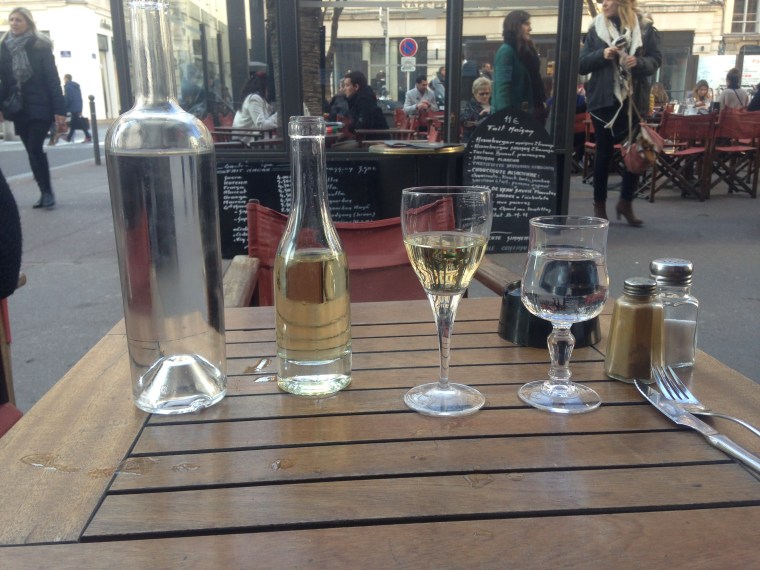
For many, studying abroad is the first time they are truly thrust into a foreign country to live and not simply enjoy the comforts of short travel such as family, resorts, and even modern appliances. The shock alone from this is an amazingly difficult time to overcome but certainly makes you a better traveler, more flexible, and it grows your appreciation for what the word home means to you. While this experience and the following period of reflection are critical points that many students and young adults experience upon their first extended travels abroad, this is not what I was looking for.
Having been born abroad, traveled abroad, and briefly “studied” abroad before I was looking for more than simply the initial discomfort of a foreign environment: I wanted to truly dissolve into a new community, gain professional experience, and develop my language skills to a higher level of proficiency (and maybe the elusive status of fluency). For me, that possibility was studying abroad in Brussels. Being able to use my French daily, albeit working around Flemish, working as an analyst in a think tank with European colleagues, attending classes about security and international politics from European experts, and the simple conversations with my barber or bar tender truly opened me up to life outside the US.

My personal growth abroad was mastering my travel identities. Being able to travel and live abroad is analogous to that of a wardrobe: you need a small set of skills that you can easily mix and match for the occasion. Whether it be knowing not to speak French to a Fleming, speak French before English with a Walloon, speak softly on the metro, kiss someone’s cheek once (twice, even thrice), it’s important to bring more than just a suitcase and a good book. What we fail to realize sometimes as travelers, expats, students, or simply outsiders is that being “cultured” isn’t the amount of travel nor the amount of facts we can divulge on request, but the subconscious ability to change our perspective and demeanor. Being “cultured” is adapting to foreign environments a habit: change is the norm. I do not claim to be a travel chameleon that can change identity without even knowing, but I am a league closer than I was prior to living in Brussels.
I have written previously about the importance of flexibility, and to this day it is still a skill that I continue to work on. I cannot definitively say that studying abroad is the only way I would have learned value of this skill and it is not the first time I have truly needed it, but it is the reason for my continuous reflection upon the matter. Whether it has been trains, planes, and automobiles, lodging, food, language gaps, or simply the trustworthy male sense of direction, I am truly grateful for this experience and how it has taught me about self-control, understanding, and the ability to move with “fluid” situations.
As I prepare to come “home” to my house in the North suburbs of Chicago to see my family for Christmas, I am left thinking about what this experience means to me moving forward. Metaphorically speaking, I have finished the who, what, when, where, and why, but now I am on the how. To me, there are two ways to use my knowledge when I return: as an advocate and professionally. To distinguish between the two, advocacy to me in this case would be stressing the importance to fellow Americans of the dire need to intervene in the Middle East because of ISIS (having witnessed the effects of their terrorism throughout Europe) or simply stressing the importance of being smart travelers and knowing more about your destination than simply your hotel and where the bars are. Professionally speaking I plan to use my experiences and knowledge throughout the rest of my life whether it is in my classes at DU, discussions with peers, a potential career in diplomacy, or simply applying for jobs. I think the most valuable skill is being able to connect with a complete stranger from the other side of the world, and this experience has opened up more doors to bring me closer to that goal.
These are my three pieces of advice upon returning from Brussels:
- We never stop growing inside. Our curiosity fuels the adventure in our lives, that’s what makes us human.
- There is always a reason to leave, the hard part is finding reasons why you shouldn’t.
- It is always nice to come home, learn to make home more places than one.


 DU Abroad