Readjusting Post-Study Abroad

A few weeks ago was my birthday. Things were going wonderfully, and then I received this text from my friend:

“Happy birthday, my dearest! And to think we left Beijing one year ago today.”

I read it and was dumbstruck. I clearly remembered my birthday one year ago, when my friends and I caught a cab to the Beijing Capital International Airport. It was early, barely 6:30 am. I was ready to return to the U.S., but I also wanted more time in this historical yet modern city. Although I wasn’t flying directly home (there was a detour to Hong Kong), it was the day I left my school, program, and friends from abroad.

Only now, one year later, am I beginning to see how my study abroad affected me when I returned to the States. Initially, all I could comprehend were the immediate things—how clean Colorado’s air is, how much more natural it was to use chopsticks and how clunky silverware seemed. My first quarter back at DU was overwhelming; academics, work, and relationships were different than I expected. As weird as it may sound, I yearned to study Chinese all day and eat sumptuous Beijing cuisine. Yet I had to focus on my final year of undergrad in Denver. It was intense. Things that seemed trivial to me were actually part of a large readjustment process I didn’t realize was happening.

For example…when I initially started drinking coffee again it was like drinking an energy drink. Even coffee overwhelmed me! I mediated this by ordering a tea tumbler off Amazon so I could drink the loose-leaf tea I had brought back from China.  Coffee gets me too caffeinated; I prefer to drink it slowly with friends now.

Readjusting Post Study Abroad_Michelle blog

Also, there were many times post-China I felt silly or disjointed while speaking. I’d pause or not be able to describe something as prolifically as I wanted to—the Chinese word was more immediate to me than the English word. There were three distinct times when I forgot “student” in English. There are countless times when my tongue has been tied.

Ultimately, two things have helped me readjust post-study abroad: 1) getting a routine and 2) working on communication.

This quarter has been my most stable quarter since being back. My routine is also the most stable now since being back, and I love it. A stable routine is one of the most grounding things I have experienced post-study abroad. Also, communication may seem simple, but after returning from another culture, changes in communication styles is undoubtedly one of the most important things to pay attention to.

Not everything ends just because you and your friends are getting on different flights with different destinations, but change is inevitable. Perhaps you won’t notice the change right away. Still, I recommend focusing on communication and establishing a routine—especially if you are gone for a longer amount of time.

Michelle Yeager, Peer Advisor

Where’s The World’s Fair?

I have a question, have you ever heard of the world’s fair or the world expo?

There was a time

When the world came together

To celebrate humanity

Art and technology

And the future

The dirty little secret?

There still is.


(From Where’s The Fair? Trailer- Documentary directed by Jeffrey Ford)

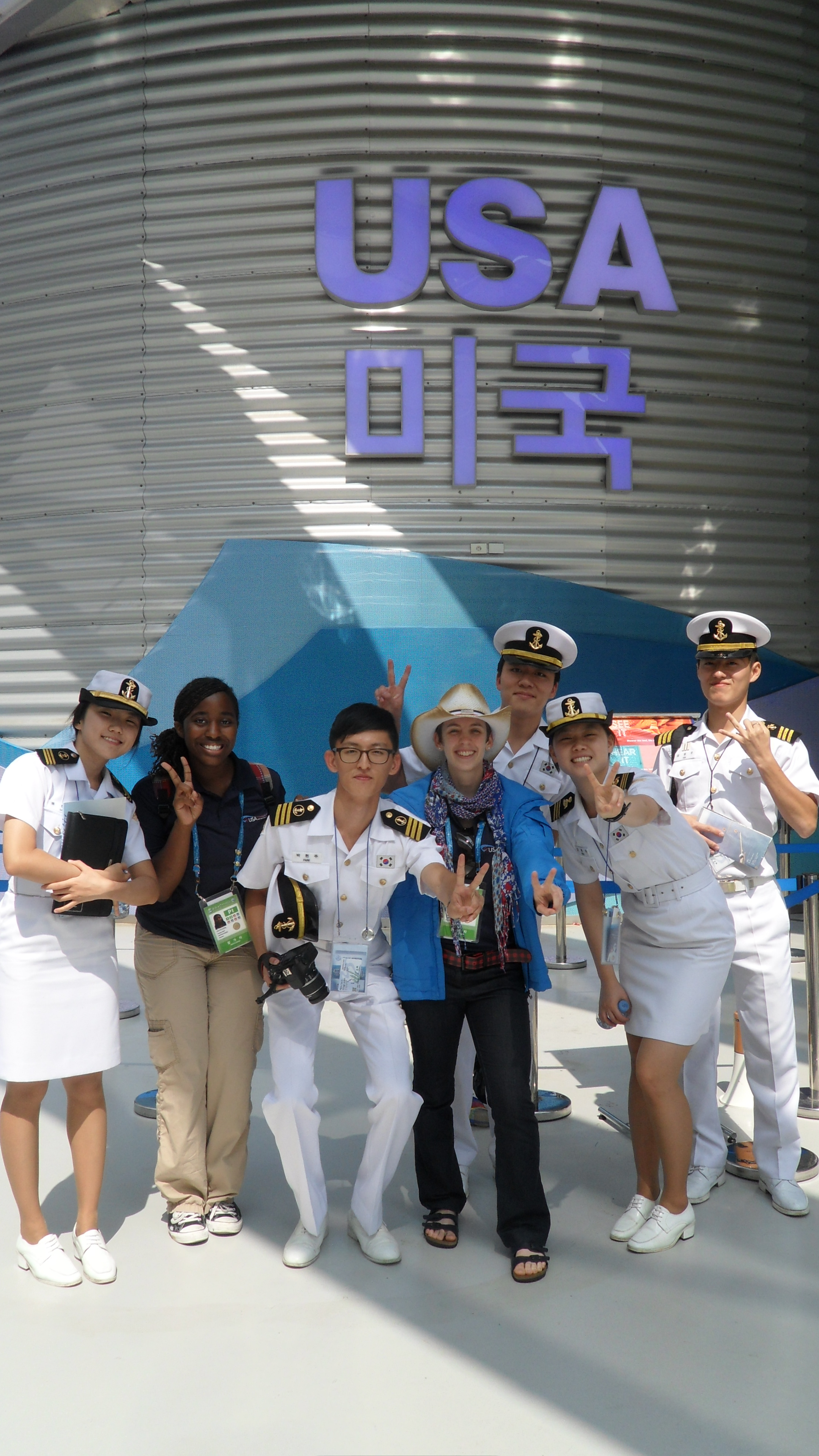
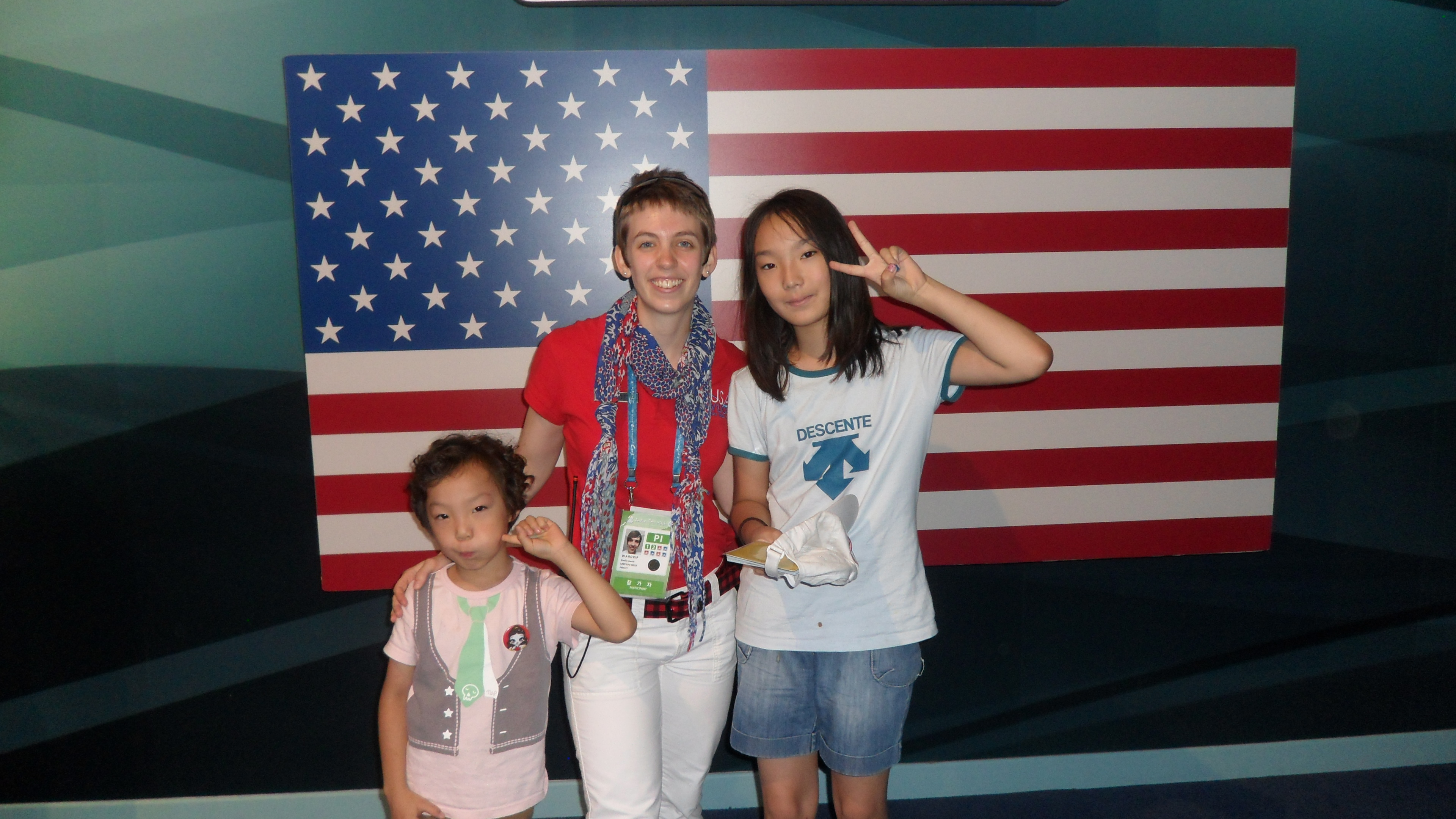
Why do I ask? Because I worked there! It was an amazing summer internship as one of 40 Student Ambassador’s at the USA Pavilion for the 2012 World Expo in Yeosu, South Korea.  It’s quite a neat story that I’ll tell you more about in an upcoming blog post.

Where's the fair blog

I haven’t watched Where’s the Fair? yet, and don’t know if I can agree that it’s a dirtly little secret, but I definitely feel like the general American populace has been left in out of the loop.  The World’s Fair exists! It just changed names and is now referred to as the World Expo. I was surprised and excited when I learned these events have continued to operate every 2-3 years at 3-6 months at a time.

So what happened? Why aren’t they publicized like other world events like the Olympics? Why doesn’t the US host them anymore?  Well, I’ll share a little insight that I’ve gained through working at the USA Pavilion.

Firstly, legislation prohibits the use of US taxpayer money for US participation in World Expos.  All other nations participate through either a combination of government funds and corporate sponsorship, or rely solely on government funding.  For over a decade, USA Pavilions have relied on corporate funding.

Secondly, each expo’s USA Pavilion is a non-profit entity created for that specific year’s expo, and then the non-profit dismantles.  US participation in World Expos is the product of a public partnership with the newly founded non-profit funded by corporate sponsors.

The next World Expo is taking place in Milan, Italy in 2015; after that we’ve got Expo Astana 2017 and Expo Dubai 2020. So, for any students who speak Italian, Russian, Kazahk, or Arabic, OR students who want to be a part of an international event, check to see if you can work at one of the upcoming expos or for the USA Pavilion!  Milan’s theme is Feeding the Planet, Energy for Life—food!  The US announced its participation in Expo Milan in March, 2014.  The reason it is announced so late, unlike other countries who confirm their participation in future expos before the current one is completed, is because of the funding issue.  Because funding isn’t guaranteed, neither is our participation.  Instead of concentrating efforts on planning and refining the design, operations, and experience that the Pavilion, valuable time is lost in order to raise the money necessary to run the pavilion.

World expo World expo 2

Finally, the US is no longer a member of the Bureau of International Expositions (BIE), therefore it does not get a vote in determining which country will host a future expo.  Until the US pays dues and is reinstated as an active member it is unlikely that another World Expo will be held here.

Overall expos are great opportunities to show off new developments in technology, knowledge sharing, and celebration of culture. I hope that Americans become more aware of this event, begin to take part in it, and maybe even push for the US to rejoin the BIE so we can host once again.

Fair blog


Emilie, Peer Advisor