Introducing Mattie Embrey

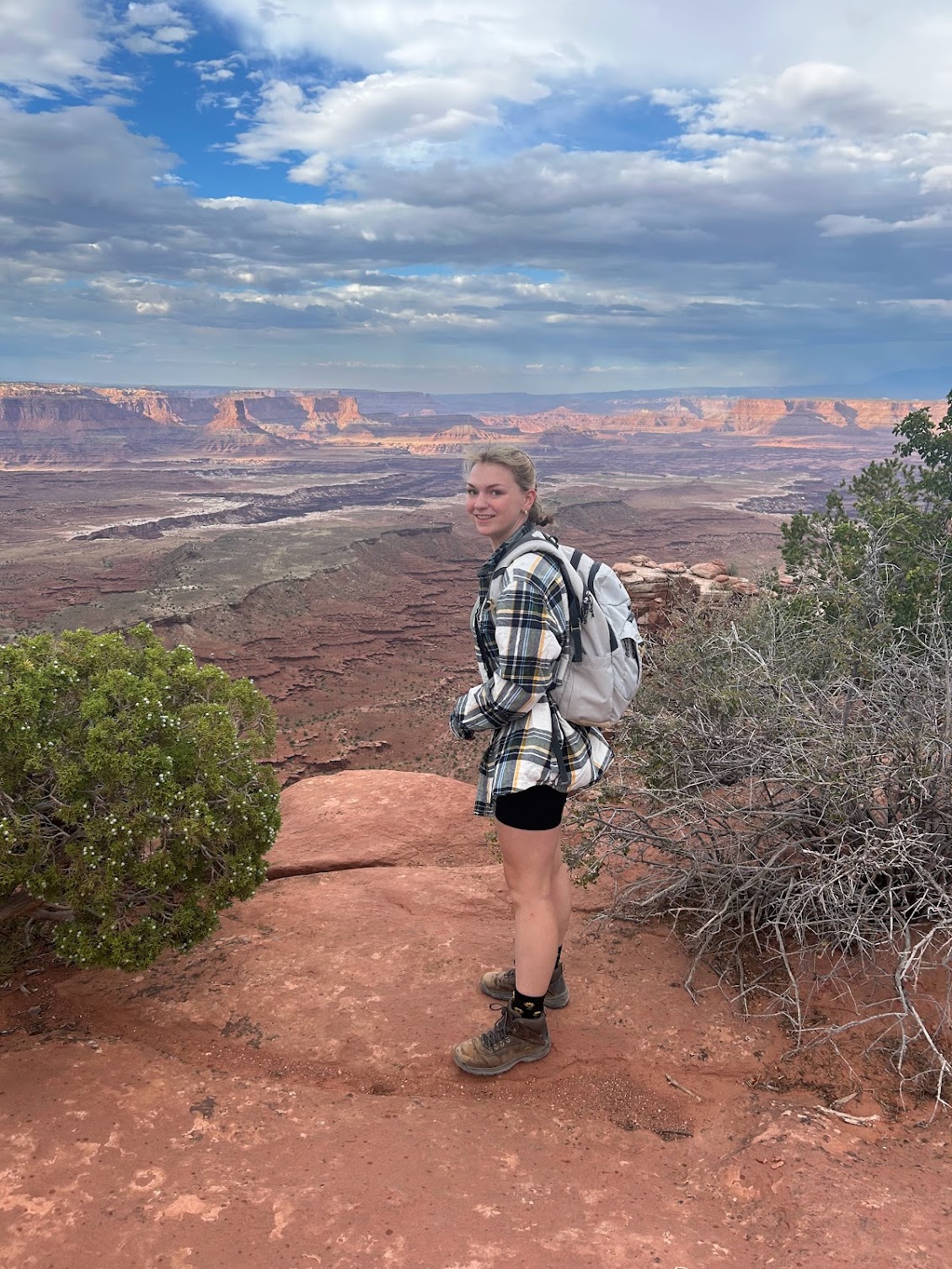
Me at Canyonlands National Park from a road trip with my roommate through southern Colorado and Western Utah

What is/are your major(s)?

International Studies & Socio-Legal Studies

What is/are your minor(s)?

Italian

What is the name of your study abroad program?

ISA: Meknes: Arabic Studies, International Relations & Language with Service-Learning

In what city & country is your study abroad program located?

Meknes, Morocco

What is something you would like the blog readers to know about you that they wouldn’t know by just looking at you?

My family has lived in southern Colorado for five generations, so I love the mountains, rivers, and the outdoors in general. Having grown up in a low-income single-parent household, I believe that appreciating nature goes beyond having the fancy equipment to do it (even though it does help). I enjoy backpacking, camping, hiking, reading, crocheting, going to concerts, and taking scenic drives.

I’m also a huge Taylor Swift fan, but who isn’t?

What is one thing that you are most anticipating about your study abroad experience?

I am most anticipating learning the local language and living with a host family. I am an International Studies major, and for any future career, knowing multiple language will make me an enticing job candidate. Arabic is an important world language that I also have deep interest in.

My program offers both homestay and apartment options for housing, and I always knew that I wanted to do a homestay. This is heavily due to the fact that my program isn’t hosted by a university, but instead a study center for solely international students. I am taking courses in the Moroccan dialect of Arabic and trying to stay with a host family because of my dedication to cultural immersion.

Also, I am enrolled in the service learning portion of my ISA program. This means I will be engaging in the community through a mixture of volunteer work and career-building skills in my assigned Moroccan organization.

Morocco itself is going to be an amazing country to explore. The cities are rich with culture from the Middle East, Africa, France, and Spain, all of which will be new to me. Additionally, there are many beautiful natural phenomena: beaches, mountains, waterfalls, and, of course, the Sahara desert.

Why did you decide to study abroad? or What inspired you to study abroad?

I have to study abroad to fill the requirement for my international studies major. However, if I was studying anything else, I would still choose to. I’ve always wanted to study in another country, even before college. In high school, I was supposed to be going through the Rotary Youth Exchange program as an exchange student in Italy. We were trained and educated similarly to how we are at DU with our internationalization courses. I was so excited by the opportunity, but unfortunately never went abroad during my junior year because of the pandemic. I was absolutely distraught, and I’m still not truly over that disappointment. In fact, this loss is the primary reason why I chose Italian as my language of study at DU, which I am now minoring in.

I chose to study in Morocco rather than Italy because of my aforementioned desire to learn as many languages as possible. Also, the MENA region is incredibly important to international politics, so familiarity with the region and its culture would provide me with unique experiences. It also doesn’t hurt that I studied French in high school, and am hoping to refresh my skills while in Morocco.

Besides the advantages this program will give me, I’m also very unfamiliar with African and Middle Eastern cultures. When selecting a country, I prioritized those most different from Eurocentric or western culture because I want to see everything the world has to offer.
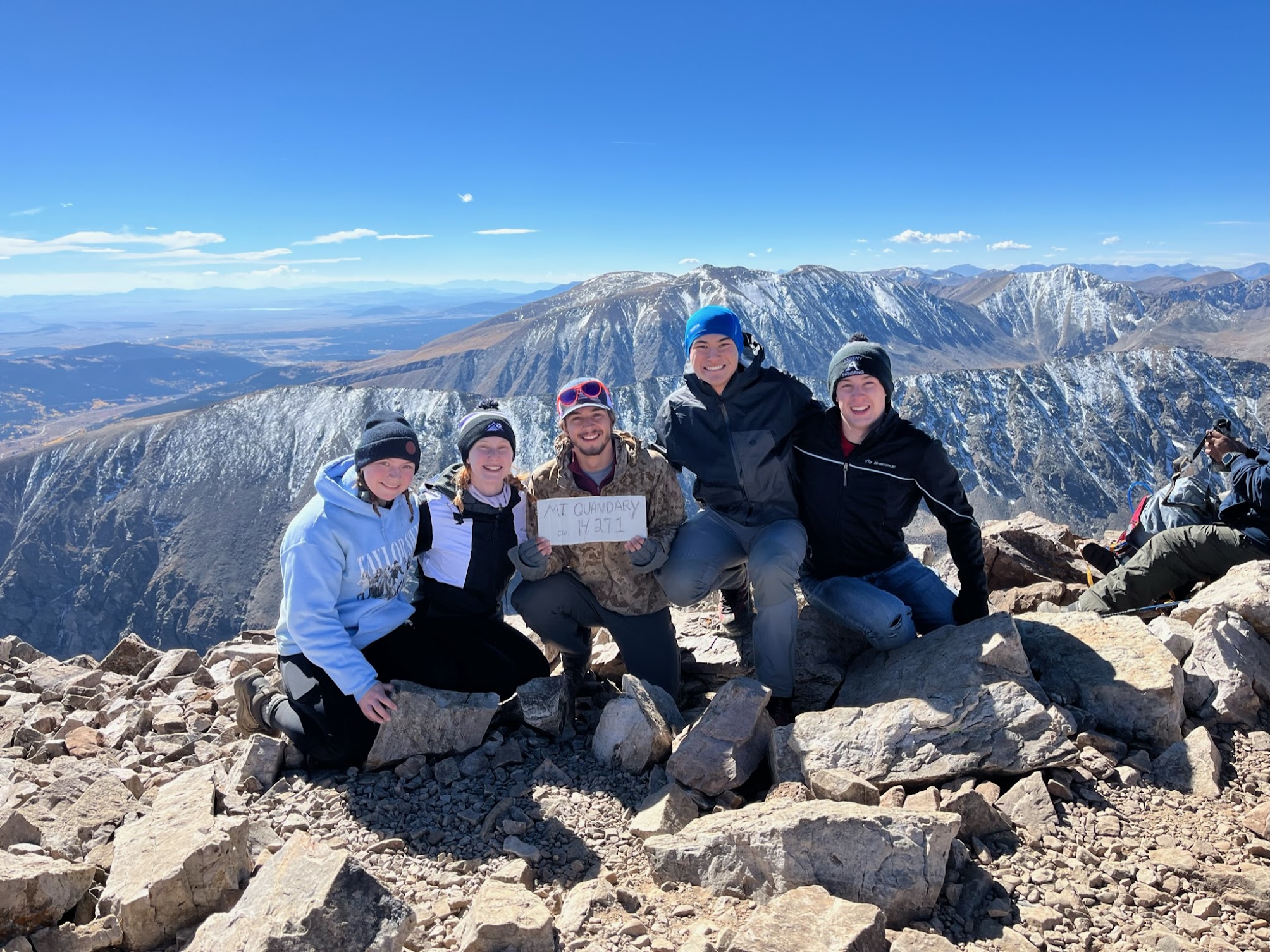
Top of my first 14er and the great people I did it with

The Ups and Downs of Service Learning

As a proud Pioneer, our motto: “Private University for the Public Good” is something that has resonated with me since my first quarter on campus. I internalized the idea that we are supposed to train and self-educate at school so we can then go into the world and make it a better place. I’ve always been impressed with how many of our students are involved in philanthropy, the way that our Greek community makes it a priority, and all of the opportunities that DU presents to involve ourselves in our surrounding community.

dharm

However, things get a little sticky when you start taking that motto to the international community. What I mean by that is, I want to ‘help’ and I want to make the world ‘better’. How do I do that without stepping on the culture and identities of others? How can I help, internationally, without living out the negative criticisms of ‘voluntourism’

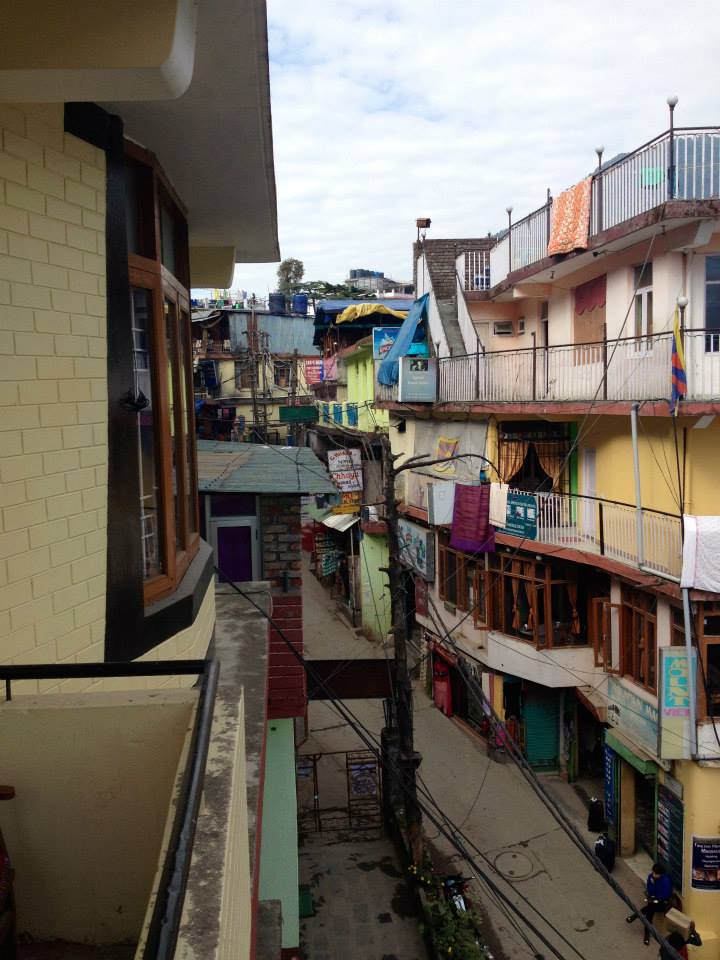
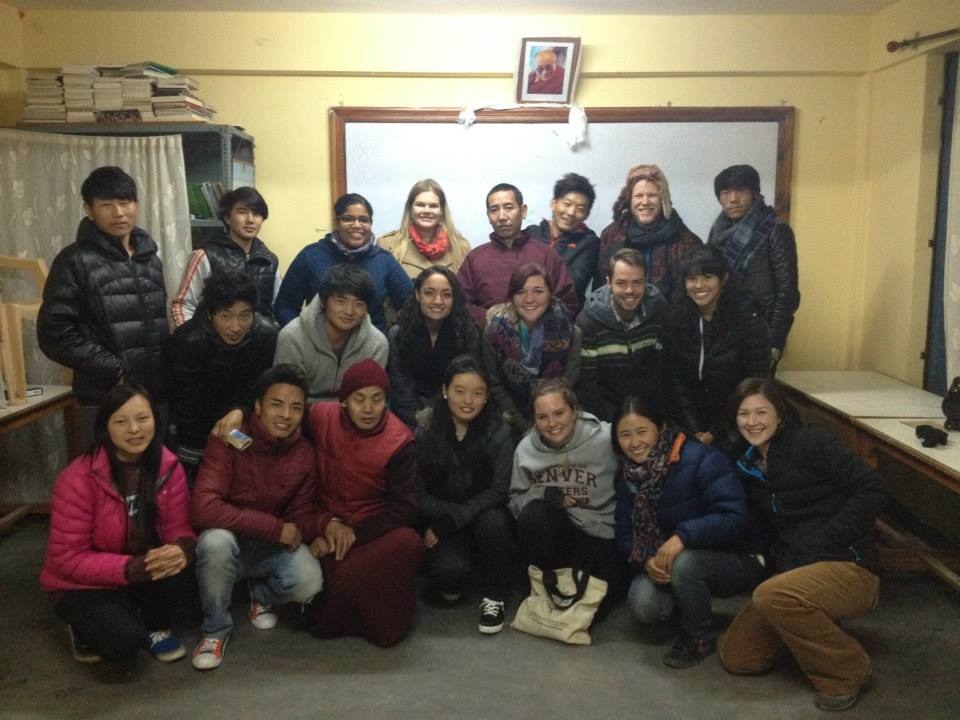
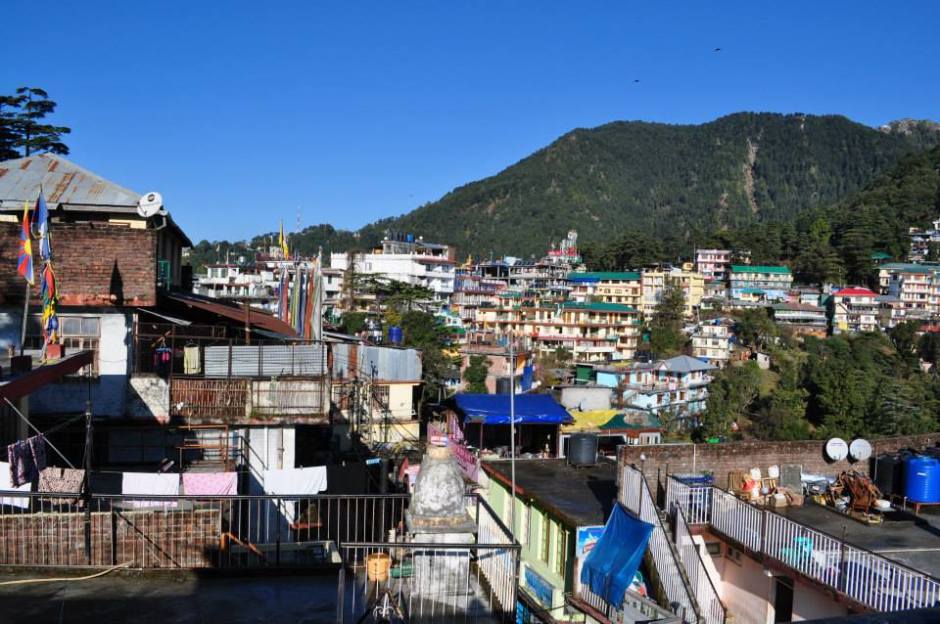
Last Winter Interterm I spent three weeks in Dharamsala, India, teaching English and computer skills to Tibetan refugee women. I signed up through DU’s International Service Learning programs, and went with a group of 15 DU Undergrad and Graduate students. We were a diverse group of students from all across campus, but all came together to study Tibetan Non-Violence, and to volunteer with a Dharamsala Non-Profit for the month of December.

My trepidation before the trip was whether or not my three weeks would actually matter to these women. I was concerned that I was going on this trip to make myself feel good about helping the world, regardless of whether or not I was actually even helping anyone. I bought into the idea that all of us university students are travelling internationally more for selfish reasons than to be selfless. I began to view my trip as just another exercise of privilege.

dharm2

I had a lot of inner turmoil about my choice, and suffered from a bit of self-hate as a voluntourist. However, after coming back from my trip, and after interacting with the community, I learned a few very encouraging things:

  1. Teaching IS helping. Regardless of the fact that I felt 3 weeks was not nearly enough to help anyone, it was three more weeks that those women could be in a classroom with a native English speaker. The Tibetan Women’s Association didn’t have any other teachers during December, so I was actually able to provide them with a tangible service they would have gone without, had I not been there.
  2. Good Intentions can create positive results. Many critics of voluntourism bring up the idiom that ‘the road to hell is paved with good intentions’. I get it. Maybe 18 year old college students with no trade skills aren’t necessarily better at building houses than local trained (but unemployed) carpenters. But… does that mean that we are useless? I don’t think so. I think that the services provided through non-profits often do greatly help communities.
  3. The power of story-sharing. Through interacting with the Tibetan refugee community, so many individuals repeated how cathartic and healing it can be to share their story. In a community facing oppression or expulsion from their home territory, these individuals have felt vindicated by receiving support from the international community. The opportunity to sit and let them tell me their story, no matter how serious or how silly, was enjoyable for me, and seemed immensely valuable to them. They knew that I couldn’t go home and demand political change from President Obama. But we could feel mutually satisfied through connecting with someone across cultures.

dharm3

After my experience living in India for 1 short month, I felt rejuvenated that we truly can make a difference, that DU students interacting with the international community can benefit everyone involved, and that I’m still proud as ever to be a Pio that takes my university experience beyond the borders of our campus.

Tiffany Wilk, Study Abroad Assistant