Look Up

So at some point in your study abroad experience, you’re  going to start missing home very very keenly. It’ll happen at a different time for everyone-for some of you it’ll be right from the get-go and then you’ll gradually settle in. For others, you’ll have an amazing first few weeks and then once the first month rolls around you’ll find yourself missing the smallest things about DU, Colorado, or wherever your home state may be. The point is, it’s going to happen at some point, and it’s nice to know you’re not alone. I started missing home a lot when there were more and more days like this:

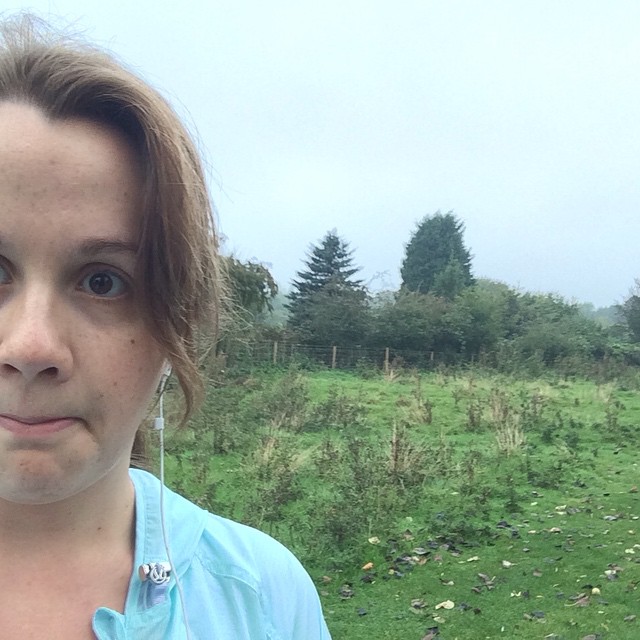
(Rainy, cold, and brutally windy)

….than days like this:

(sunny and positively enchanting).

What started to get to me especially were the shortened days. And I don’t mean Colorado shortened days where the sun goes down a bit after dinnertime and everyone feels like going to bed a bit early. No, I mean 4 pm, the sun is out of here, and you’ve still got part of the afternoon and an entire evening to get through before it’s acceptable to go to bed. And then the sun doesn’t come up again until 7:15, but it won’t really seem like it because it’s usually so overcast in the mornings this time of year. That’s difficult to figure out how to deal with, especially since Colorado spoils you so hard with its 300+ sunny days per year and its reliably spectacular sunrises and sunsets.

So I’ve had to do some strategizing. The first thing was making further use of the light box that my friend who went on this exchange program last year gave me. I have it on whenever I’m in my room, especially when it’s dark, and the added (if simulated) natural light does a lot to boost my mood. The second thing was to beat the sun at its own game. If sunset was going to happen at 4 pm, then I am going to get up with the sun and soak up all the vitamin D I can while it’s around. That’s turned out to be a pretty good strategy, as it leads to morning walks around campus and around town where there’s this gorgeous mist that settles over everything and then slowly burns off as the sun rises.
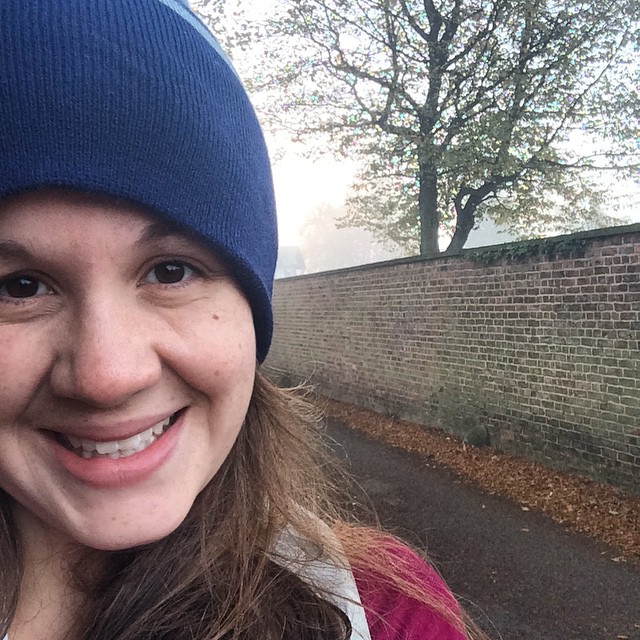
This particular stretch of road is home to several horses. They like to sit near the gates and wait for friendly people to come by and pet them and feed them.

The third helpful thing in beating the winter-darkness blues has been to look up. And that may seem like a vague bit of advice. But when I walk places, I tend to look at my feet or the ground in front of me a lot. This is born partially out of habit, and partly because I have been known to be quite clumsy and can avoid tripping over things if I’m watching where those things are. This also means that I miss a lot. So I’ve started to very intentionally vary my gaze while I’m walking places-whether it’s up at the trees, straight ahead at the people passing by, or to the side to look at the charming Yorkshire houses-I’m doing my best to quit looking at the ground.

And it helps! I’ve started to notice little things that I love about York that I wouldn’t have noticed before. There’s little grannies all over the place in town that argue with one another in thick northern accents about where they should go shopping next. All the dog owners in York chastise their dogs for not walking fast enough, while the dogs themselves just stare adoringly at their owners without a care in the world, because York is a great place to be a dog. You can catch little gaggles of schoolchildren at the right time of day heading off to classes and chuckle at their matching uniforms and ties bouncing over their shoulders as they race each other to get to the playground.

In short, looking up helps to remind me that the things I love about York far outweigh the frustration that comes with rainy, short days. So when you end up missing home or getting caught up in the annoying things about your host city, remember it’s not permanent. Seasons change. Rainy days end. The sun will rise and set resolutely, regardless of how short its allotted time in the sky is. And in the meantime, there are delightful and quirky things to be found in your host city, it just takes a little searching.

York, for example, loves skeletons and ghost stories.

-Faith Lierheimer, DUSA blogger.
How to Get Sick: A User’s Guide

The stomach of steel is a myth.

Sorry to break it to ya, especially you “tough as nails” folk, but ABROAD WILL TAKE YOU DOWN. It’s really a question of when rather than if.

But I – No.  I haven’t – No.  I’m tougher – Still no.

They lay it right out there during orientation – you will get sick. It’s far better to accept it, acknowledge it, and move on. Chalk it up to just another study abroad experience. Strange food, strange cooking, stress – your immune system just ain’t up for it for 4 months. So take heed of a few tips from those of us who have already lost the battle:


Give it a week before you go all “Bizarre Foods Study Abroad Edition”

I’m all for being adventurous – it’s study abroad after all – but let your system become accustomed a bit before you eat the worms.

No matter what country you travel to, there’s going to be something awesome and ethnic and cultural to eat. It might be cuy (guinea pig), it might be alpaca, it might be real live octopus, but chances are day two isn’t going to be the only time or the best time to try it. And farther down the line, it might not make you want to throw up, either. 😉

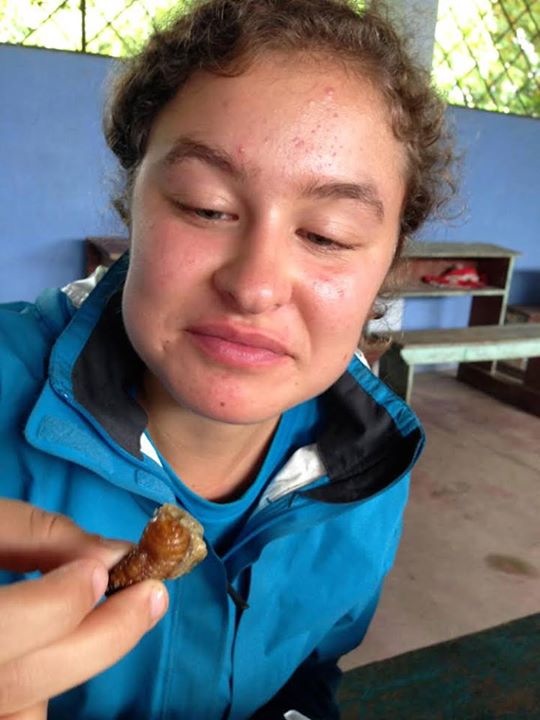
Aimee Schneider, MSID Ecuador 2014, considers her worm carefully before taking the first bite. There are all types of learning while abroad - even learning to eat worms!
The audacious Aimee Schneider, MSID Ecuador 2014, considers her worm carefully before taking the first bite. There are all types of learning while abroad – even learning to eat worms
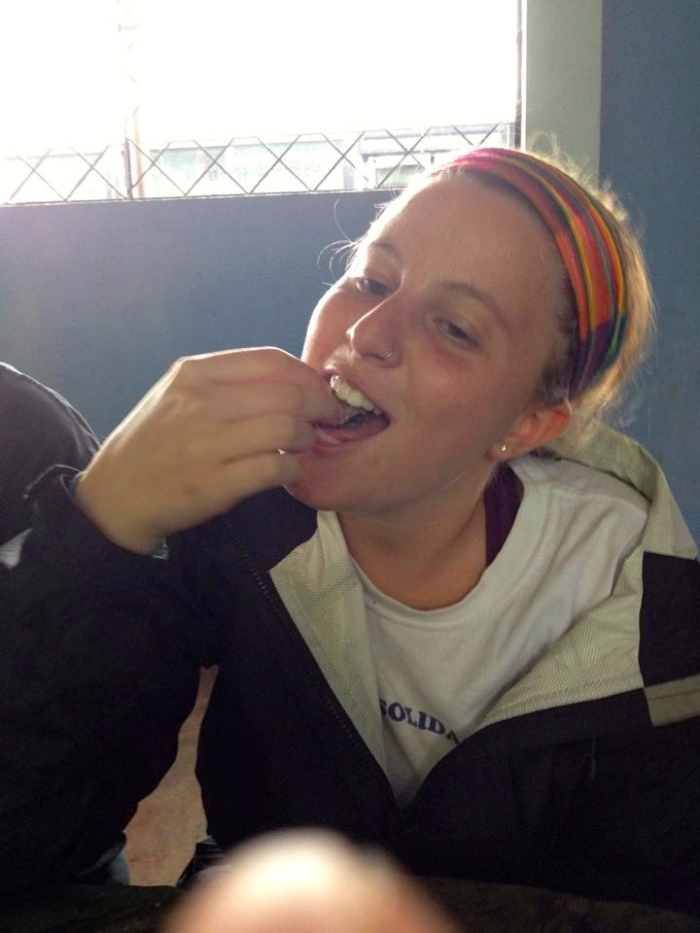
The daring Emma Kaplan, MSID Ecuador 2014, tosses one back - one worm that is - while studying in the Ecuadorian Amazon.
The daring Emma Kaplan, MSID Ecuador 2014, tosses one back – one worm that is – while studying in the Ecuadorian Amazon


Gettin’ Some Air

 While we come from a mile high, that sneaky altitude can still get ya. Some cities – such as Quito in Ecuador and La Paz in Bolivia – lie high up in the mountains (in the case of Quito and La Paz, in the Andes) where the altitude is almost double that of Denver. It certainly is an advantage to come from Rocky Mountain High where the sky is clear and the air is thin, but be prepared. My new friend Brenna had a horrible stomach ache the entire first week we were in Quito, which she attributed to nerves and new food. After taking every type of medication she had brought with her and several our host families had recommended, it finally occurred to her that going from Minnesota land of the flat to Quito at over 9,000 ft might have had some affect. After taking her altitude meds and drinking a lake full of water, no sign of the stomach ache since.

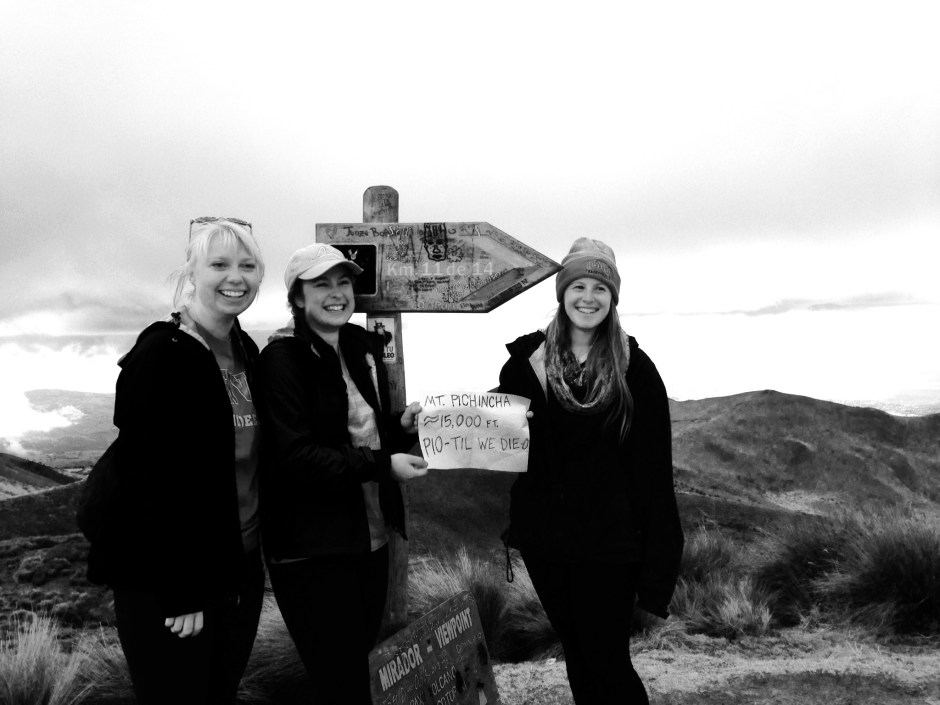
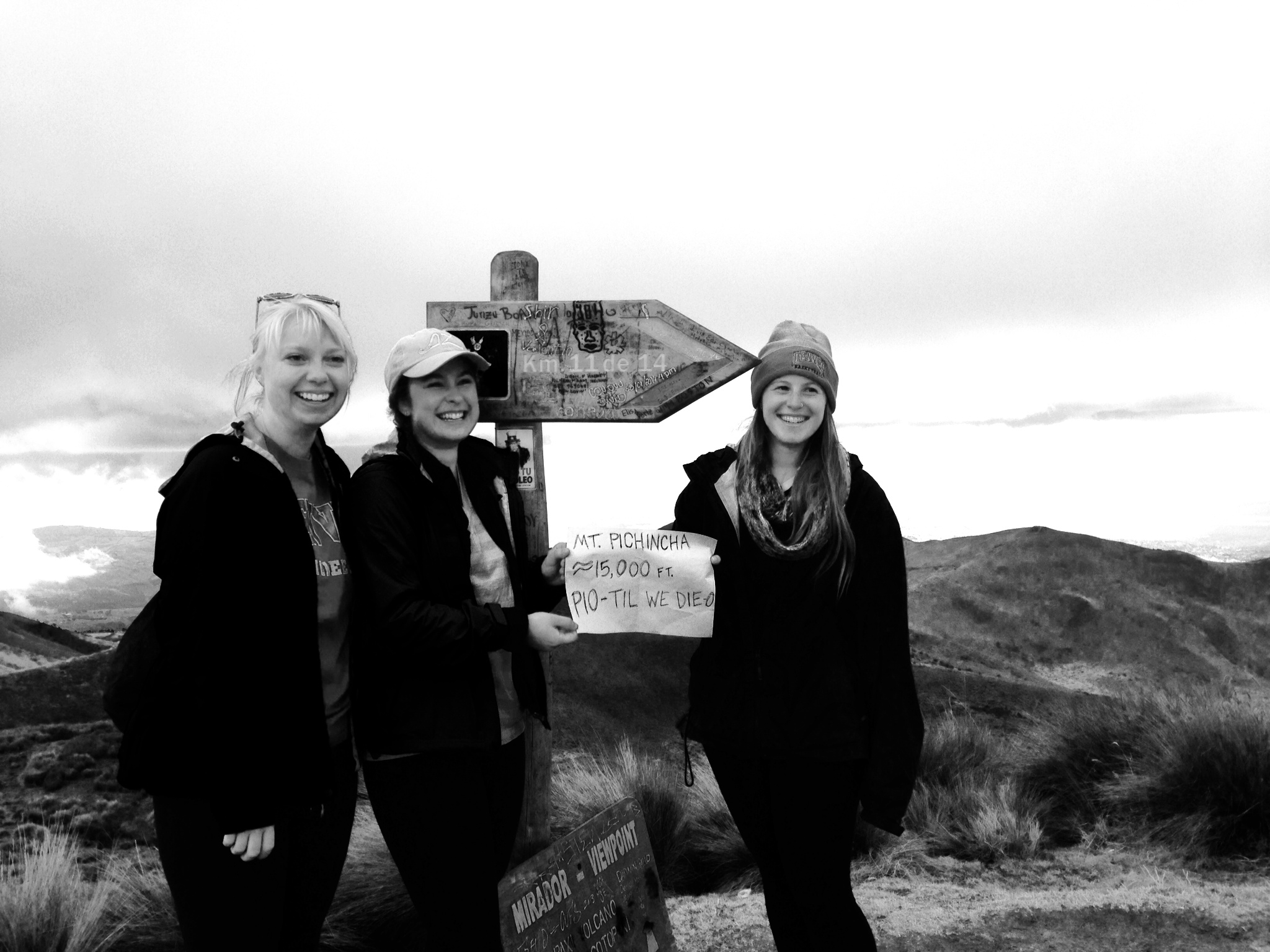
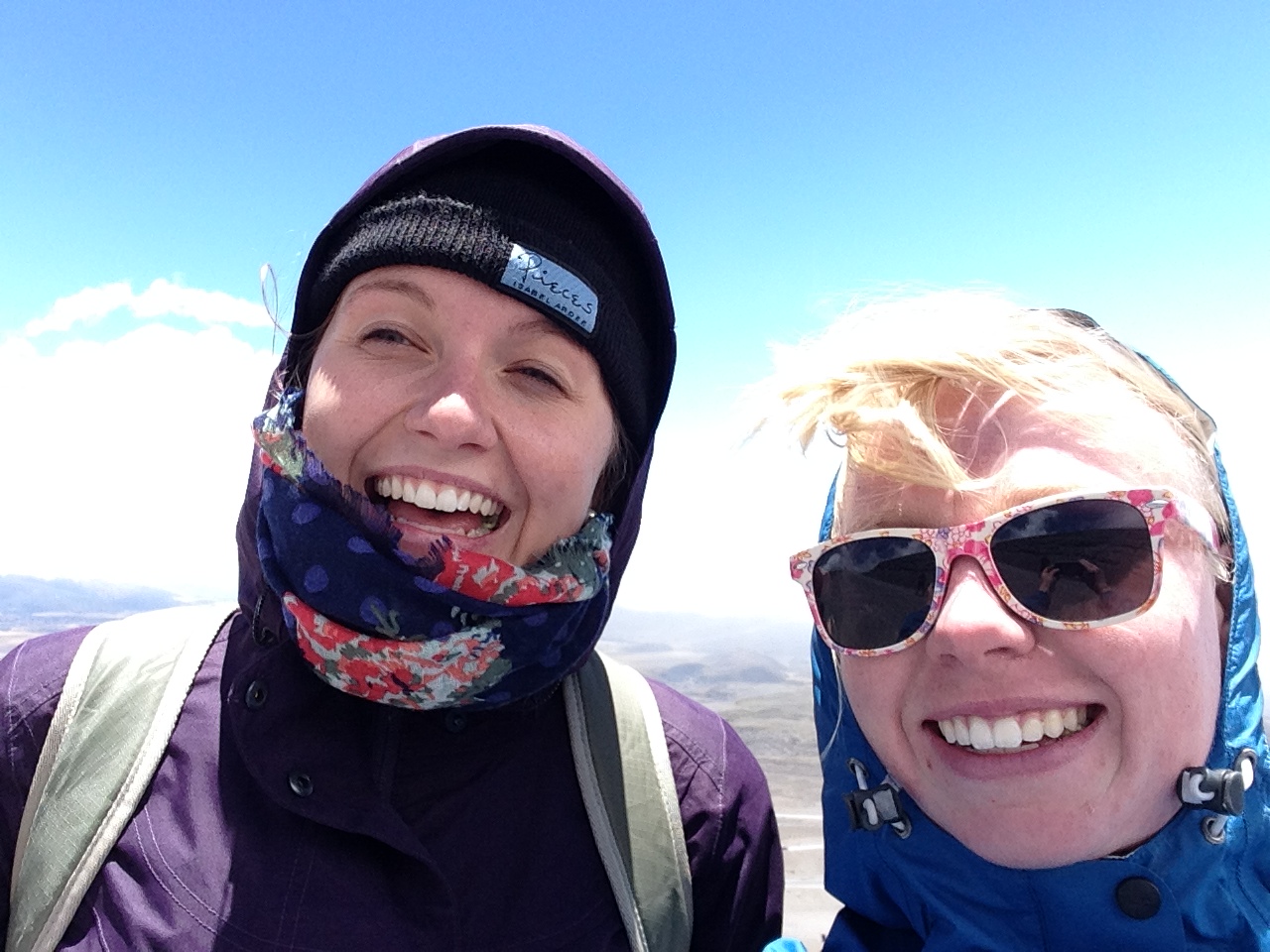
Take that 14ers! 9000ft weren't enough for us, we needed even higher altitude. Volcano Pichincha in Quito, Ecuador. (Maddie Doering, Aimee Schneider, Emma Kaplan - MSID Ecuador 2014)
Take that 14ers! 9000ft weren’t enough for us, we needed even higher altitude. Volcano Pichincha in Quito, Ecuador. (Maddie Doering, Aimee Schneider, Emma Kaplan – MSID Ecuador 2014)
Brenna and myself climbing Cotopaxi

The Thirst for Adventure

 Water. To drink or not to drink, that is the question.

In this case, do as the locals do. If they’re not drinking tap water, odds are you probably shouldn’t be either. If you’re really worried, however, or just don’t want to constantly be buying bottles of water, definitely look into safe water techniques. Chlorine tablets, iodine drops, and even UV lights that kill bacteria in water are all great options.

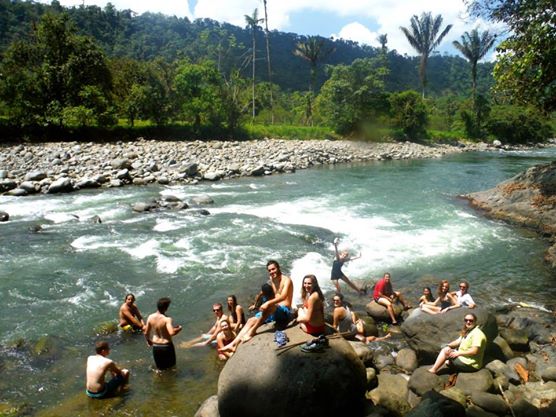
Look how refreshing that water looks! - MSID Ecuador 2014
Look how refreshing that water looks! – MSID Ecuador 2014

Going Native

Getting sick is all part of the experience, as is getting better. So as you want to heave your cookies, just think about what a wonderful experience this is to discover more about the local culture. When I got sick, my host mom made more tea than I thought I could possibly contain. I practically floated for two days. But I got to see how she made it all directly from the actual plant (no tea bags here!) and I did end up feeling better. I also got to experience “limpio de huevo” – the egg cleaning – technique to get rid of all my bad energy. She essentially rubbed an egg all over me then cracked it in water. Where the white floated to the surface was where my “energia negativa” was contained. So really, I’m just holistically a more well person right now.

egg doctor


So friends. Get sick and get some culture. Hopefully these tips will help you so that while you may lose the battle, you can win the war. Happy travels!

-Madeline Doering – DUSA Blogger