
The first time receiving a hair cut in China, I pulled out an extra five kuai, ready to tip, when my friend leaned over and told me to leave it—no tip necessary. The same thing happened at the restaurant we ate lunch at. Tipping simply is not an obligation in China as it is here in the States.
To help you escape scowling waiters and awkward moments of looking at the tip line of your bill, let’s look at the different styles of tipping in countries.
For our many students going to Europe, if you are going to Western or Eastern Europe, do not worry about tipping—staff are generally paid full wages and do not depend on customer tips. In countries such as Italy or 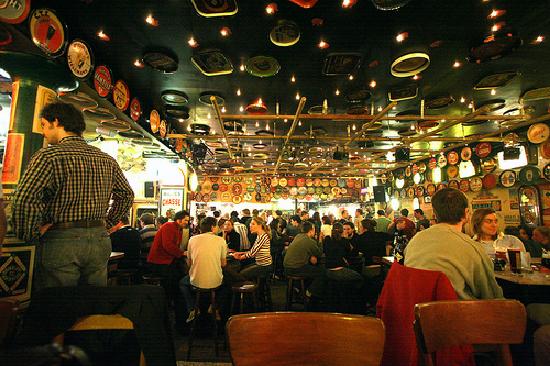 France, a service charge is automatically added. Anywhere, adding a 10% tip is considered generous. If you are ever unsure of how much to tip, round to the higher euro and you will be fine. In bars, you are not expected to tip, but some local will spare change when the drink is especially good.
When in New Zealand or the South Pacific, tip 5-10% if you are impressed with the service. You are not obliged to pay anything on top of the bill. Most restaurants in the French Polynesia will include a 10% service fee charge on the tab. At the bar, all you pay for is drinks. If you must tip, 10% is extremely generous.
In Central and South America, a 10-15% tip is appreciated if there is no service charge included in your bill. If a service charge is already included, you can leave a few coins to thank the restaurant’s excellent service. (Brazil, Peru, and Costa Rica are known for their excellent restaurant service.) If visiting Uruguay, Peru, Chile or Argentina, bring extra cash as the prices will be higher than standard. Best part: if you are just ordering drinks, you’re not required to tip at all.
Tipping in Asia depends on the country. China, Thailand, and Singapore do not require tips. In Hong Kong, a 5% tip is customary except at casual eating places such as noodle shops and dim sum parlors. India bills include a service charge—no tip necessary. Japan does not require a tip. Waiters may even chase you down to return a tip. In bars, 10% is more than enough, except in China and Japan, where tipping the bartender is unheard of.
In Africa and the Middle East, tipping is simple. Tip 10% of your bill and you’re fine. Leave 2-5 rand after a meal and waiters will be thankful for your patronage.
When visiting Mexico or the Caribbean, the tipping norm is 15% of the total tap (unless a service charge is included!). The tipping norms for bars are pretty similar to the U.S., where you should tip your waiter 10-15% if you ordered food. Standards for drinks are $1 for every bottle or mug of beer, and $2 tip for every cocktail.
Keep in mind that these tips are general and may vary from place-to-place during your travels. If in doubt, consult the locals or read up before you go.
Michelle Yeager, OIE Student Worker
 DU Abroad