Look Up

So at some point in your study abroad experience, you’re  going to start missing home very very keenly. It’ll happen at a different time for everyone-for some of you it’ll be right from the get-go and then you’ll gradually settle in. For others, you’ll have an amazing first few weeks and then once the first month rolls around you’ll find yourself missing the smallest things about DU, Colorado, or wherever your home state may be. The point is, it’s going to happen at some point, and it’s nice to know you’re not alone. I started missing home a lot when there were more and more days like this:

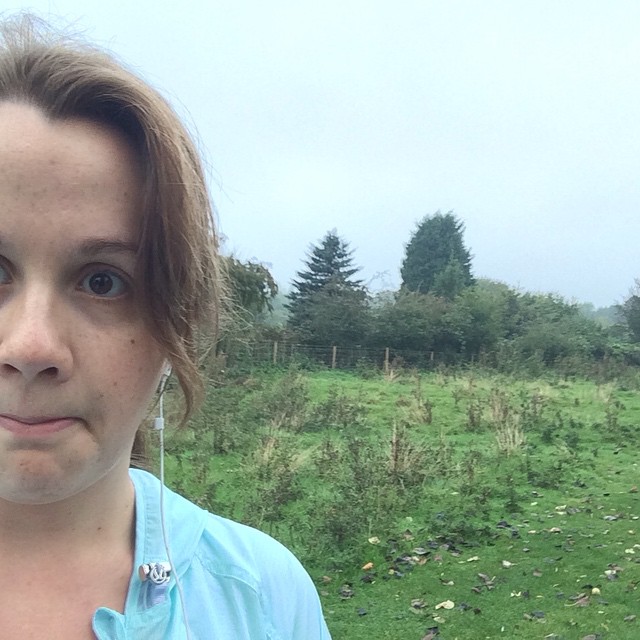
(Rainy, cold, and brutally windy)

….than days like this:

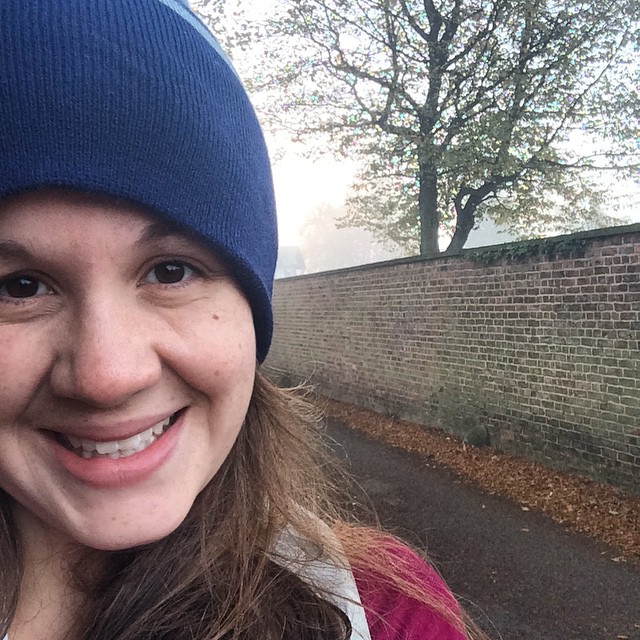
(sunny and positively enchanting).

What started to get to me especially were the shortened days. And I don’t mean Colorado shortened days where the sun goes down a bit after dinnertime and everyone feels like going to bed a bit early. No, I mean 4 pm, the sun is out of here, and you’ve still got part of the afternoon and an entire evening to get through before it’s acceptable to go to bed. And then the sun doesn’t come up again until 7:15, but it won’t really seem like it because it’s usually so overcast in the mornings this time of year. That’s difficult to figure out how to deal with, especially since Colorado spoils you so hard with its 300+ sunny days per year and its reliably spectacular sunrises and sunsets.

So I’ve had to do some strategizing. The first thing was making further use of the light box that my friend who went on this exchange program last year gave me. I have it on whenever I’m in my room, especially when it’s dark, and the added (if simulated) natural light does a lot to boost my mood. The second thing was to beat the sun at its own game. If sunset was going to happen at 4 pm, then I am going to get up with the sun and soak up all the vitamin D I can while it’s around. That’s turned out to be a pretty good strategy, as it leads to morning walks around campus and around town where there’s this gorgeous mist that settles over everything and then slowly burns off as the sun rises.
This particular stretch of road is home to several horses. They like to sit near the gates and wait for friendly people to come by and pet them and feed them.

The third helpful thing in beating the winter-darkness blues has been to look up. And that may seem like a vague bit of advice. But when I walk places, I tend to look at my feet or the ground in front of me a lot. This is born partially out of habit, and partly because I have been known to be quite clumsy and can avoid tripping over things if I’m watching where those things are. This also means that I miss a lot. So I’ve started to very intentionally vary my gaze while I’m walking places-whether it’s up at the trees, straight ahead at the people passing by, or to the side to look at the charming Yorkshire houses-I’m doing my best to quit looking at the ground.

And it helps! I’ve started to notice little things that I love about York that I wouldn’t have noticed before. There’s little grannies all over the place in town that argue with one another in thick northern accents about where they should go shopping next. All the dog owners in York chastise their dogs for not walking fast enough, while the dogs themselves just stare adoringly at their owners without a care in the world, because York is a great place to be a dog. You can catch little gaggles of schoolchildren at the right time of day heading off to classes and chuckle at their matching uniforms and ties bouncing over their shoulders as they race each other to get to the playground.

In short, looking up helps to remind me that the things I love about York far outweigh the frustration that comes with rainy, short days. So when you end up missing home or getting caught up in the annoying things about your host city, remember it’s not permanent. Seasons change. Rainy days end. The sun will rise and set resolutely, regardless of how short its allotted time in the sky is. And in the meantime, there are delightful and quirky things to be found in your host city, it just takes a little searching.

York, for example, loves skeletons and ghost stories.

-Faith Lierheimer, DUSA blogger.

Intercambios Saved My Spanish

After more than a month in Spain, I have a new level of respect for anyone who decides to move to a country where they will have to speak a different language. Even the simplest sentiments can be difficult to translate. Oftentimes, it takes me about twice as long to say the same sentence in Spanish as it would take to say it in English. Sometimes I hold up my hand, say “espera,” and take a minute to search for the word I need. And every once in a while, after staring into space for far too long, I sigh and say, “no importa.”

Though I try to practice as much as possible, it hasn’t been as easy as I expected. Originally, I imagined myself speaking Spanish all the time once I got off the plane in Madrid but it soon became clear that our program coordinators were going to communicate with us almost exclusively in English. Whenever I was hanging out with other people in my program they spoke English too. After a couple weeks I felt myself comfortably slipping into speaking English whenever I could, which was often, considering all my friends were Americans from our program.

Wait, I would think every so often. This isn’t what I came here to do. It felt wrong to only ever be speaking in Spanish when I was with my host mom or in class. Wasn’t I supposed to be trying to immerse myself in this new language? At the same time, I didn’t want to ask my friends to try to have Spanish-only conversations with me, and I really did not want to attempt to ask a native speaker if they ever wanted to chat. I’ve played out the scenario in my head, and the only way it ever ends is badly. So badly. And awkwardly.

The perfect solution to my problem came a few weeks after we started classes: an intercambio. In Spanish, the word intercambio means “exchange,” and in this instance the exchange is vocal. Our university matches us up with a native Spanish-speaking university student who wants to practice speaking English and, once we’re given their contact information, it’s up to us to set up a meeting and start practicing.

Intercambios are the best thing to happen to my Spanish conversational skills since the Spanishdict app. I’ve met with many of my friends’ intercambios as well as my own, and they are all extremely friendly and speak near-flawless English too boot. They help you with your grammar mistakes and teach you slang that varies from the useful to the, well, less-than-appropriate.

One of the sights I saw while exploring Sevilla with my intercambio - Plaza de España
One of the sights I saw while exploring Sevilla with my intercambio – Plaza de España

The other night I had my first dinner out where it was just me with my intercambio and her Spanish-speaking friends. To say the least, it was intimidating. Not a word of English was spoken. Many times I ended up grimacing because I wasn’t sure if I was supposed to react with surprise, disgust, or happiness. The pace of conversation was so fast that whole minutes passed with stories flying over my head as constantly nibbled on my food to make it look like I had a reason for my silence. Every once in a while, my intercambio would turn to me and translate a story that had just passed, rapid-fire and full of slang I don’t know, between her two friends.

Though the experience may have been a little bewildering, it was fulfilling in a way that spending a night speaking in English wouldn’t have been. I felt like, though I struggled, I was accomplished in some way.

And the things worth accomplishing, the ones that leave us with a sense of pride after we’ve achieved them, are the ones that present the hardest struggle along the way.

Intercambio night! Spaniards, Americans, Brits, Germans, and more.

To help with navigating the struggle that is overcoming the language barrier, I’ve compiled some facts/ tips that I’ve picked up in the last month and a half:

  • You will be scared. Don’t be. Nervousness may keep you from saying something wrong, but it will never allow you the chance to learn how to say it right.
  • (Most) people appreciate your efforts. Speaking in a country’s native language shows an appreciation for the people and their culture, and you are more likely to run into people who will help you through a conversation than people who will judge you for your mistakes.
  • Learning a language takes time; progress may seem slow, but as long as you keep practicing it will happen. Everyday phrases will become easier when you actually start using them everyday.
  • Sometimes the only reason you understand what people are saying is because of the accompanying hand signals they make.
    • Just today I had an entire conversation with my tapas professor using hand motions and sounds to imitate what food would sound like in the pan. Seriously. (And it was probably the most entertaining conversation I had all day). You can get by even when you don’t have the words to, so don’t get flustered when you can’t figure out what you need to say.

Emily Laurinec-Studer, DUSA blogger