
The Good, The Bad, and The Different

Judging by the first two weeks I’ve spent in Spain, I will feel like I have packed in a whole lifetime’s worth of experiences by the time my three and a half months here are up. Time here feels contradictorily fast and slow – while two weeks has felt more like a month, I’m already lamenting the fact that I didn’t decide to study abroad for a whole year.

The feeling that time has been warped is due in part to how busy I have been. While at home I’m more apt to pass up activities in favor of relaxation, here I have been embracing the “you’re only here once” mentality and have therefore had days that never seem to end (but have taught me that I hit my limit somewhere around 4:00am). When days last that long and almost every moment is full, some experiences are bound to be less enjoyable than others. Sometimes I feel excited by new things. Other times, I just feel alienated. Whenever I start to feel overwhelmed, I try to keep in mind something one of our program directors told us on our first day here: “No one’s culture is good or bad, or better or worse than another – they’re just different.” Reminding myself of this from time to time helps alleviate the unavoidable awkwardness that comes with learning different customs and a different language. Bearing this in mind, I have tried to categorize some of my experiences thus far into three categories. First, I’ll list ones that have been truly good. Second, the truly bad. And third, the “different” – experiences which are both good and bad in turns and which I will eventually come to embrace as simply new realities that shape my life here.

The Good (+)

  • Siestas
    • Okay, so maybe I’m still bitter that they cruelly took away naptime from us post-Kindergarten, but I’m strongly in favor of the semi-official 2-5pm naptime that Spaniards have built into their schedule.
  • Excursions/Activities
    • In the first week, whenever I started feeling homesick and I went on a tour with my program, I instantly felt better. The historical sights are so beautiful and interesting that you can’t help getting caught up in the moment.
    • As a plus, these excursions allow you to meet all the great people you’re studying abroad with! Bond while exploring a new city and taking all the same tourist-y selfies.

Beneath "Las Setas," the largest wooden structure in the world built in one of Sevilla's plazas. Under it there is a fresh market and a museum that has preserved the ancient ruins (dating back to the Roman empire) Las Setas were built upon.
Beneath “Las Setas,” the largest wooden structure in the world built in one of Sevilla’s plazas. Under it there is a fresh market and a museum that has preserved the ancient ruins (dating back to the Roman empire) Las Setas were built upon.
On top of "Las Setas" - a beautiful view of Sevilla. One of my favorite excursions I've gone on yet!
On top of “Las Setas” – a beautiful view of Sevilla. One of my favorite excursions I’ve gone on yet!

The Bad (-)

  • Lost Luggage
    • The first day we arrived in Seville, one of the host families mistakenly loaded a piece of my luggage in their car. I realized how dependent I am on my laptop after three days without it.

The Different (+/-)

  • Walking/Transportation
    • You walk almost everywhere in Spain, which can be a good workout. (+)
    • If you walk too much your feet will hurt, you will get blisters, your ankles will get swollen, and you’re going to have to get up tomorrow and do it all over again. (-)
    • My university is outside of the city (as in, it’s in walking distance of nothing) and unless you feel like biking on the highway you have to pay to ride the metro every day. (-)
    • The metro is new and efficient, and the ride can actually be nice if it’s not too crowded. (+)
  • Clothes
    • The typical Spaniard dresses with much more flair and general effortlessness than the typical American (read: it’s possible yoga pants don’t even exist here). So, you will either end up blatantly sticking out as a foreigner (-) or you’ll have to go shopping (+)
  • Money
    • Spain is cash-based – it’s rare to pay with a credit card (and it’s a hassle if you don’t have the microchip that is standard in Europe). Using cash is a bit more complicated experience, especially when the denominations are different from what I’m used to. (-)
    • The euro is valued more than the dollar, which basically means that once I came to Spain and exchanged my money I was poorer than I was in the US. (-)
    • However, paying in cash also helps to keep me on a budget. It’s a lot easier to keep track of how much I’m spending when I can physically see how much I have left every time I look in my wallet. (+)

This is only a brief look at what my life in Spain has been like, and so far I can say that the good points definitely outweigh the bad. The cultural differences are starting to feel like they are just that – different, new, exciting, though at times overwhelming. Every day I am so glad to be here, to be absorbing a new culture, and to be learning how to adjust to the many nuances it holds.

Emily Laurinec-Studer, DUSA Blogger
7 Tips For Study Abroad 7 Years Later

Today we have a guest blog post from a DU study abroad alumn.  Patrick Dichter studied at Aix-Marseille Université in southern France through ISEP. He graduated in 2009, majoring in International Business with minors in French and Finance. Patrick went on to complete his MBA at DU in 2010 and has worked for an online marketing startup before launching his own business, The Passport Protector LLC. 

I feel old. Seven years have already flown by since I studied abroad during my junior year at University of Denver. In my mind, it feels like yesterday that I got lost arrived on campus in Aix-en-Provence, France.

Now my journey has come full circle – the chance to share some ‘wisdom’ and a business I’ve launched because of that important semester. So here we go….7 Tips for Study Abroad 7 Years Later:

1. Soak up Every Single Second

The summer before I left my aunt sent me an email saying, ‘what I wouldn’t give to sit in a French café and do nothing but read for hours on end.’ Weird, I thought. But now I understand how time just seems to stop in those cafes yet real life is too busy for a 30-minute lunch.

2. Step outside your comfort zone. Then take two more steps.

The best times I had were the adventures that made me a bit nervous. And I can’t remember a single Skype session with friends from home, nor do I wish I’d spent more time using wifi. Get off your computer and into the world.

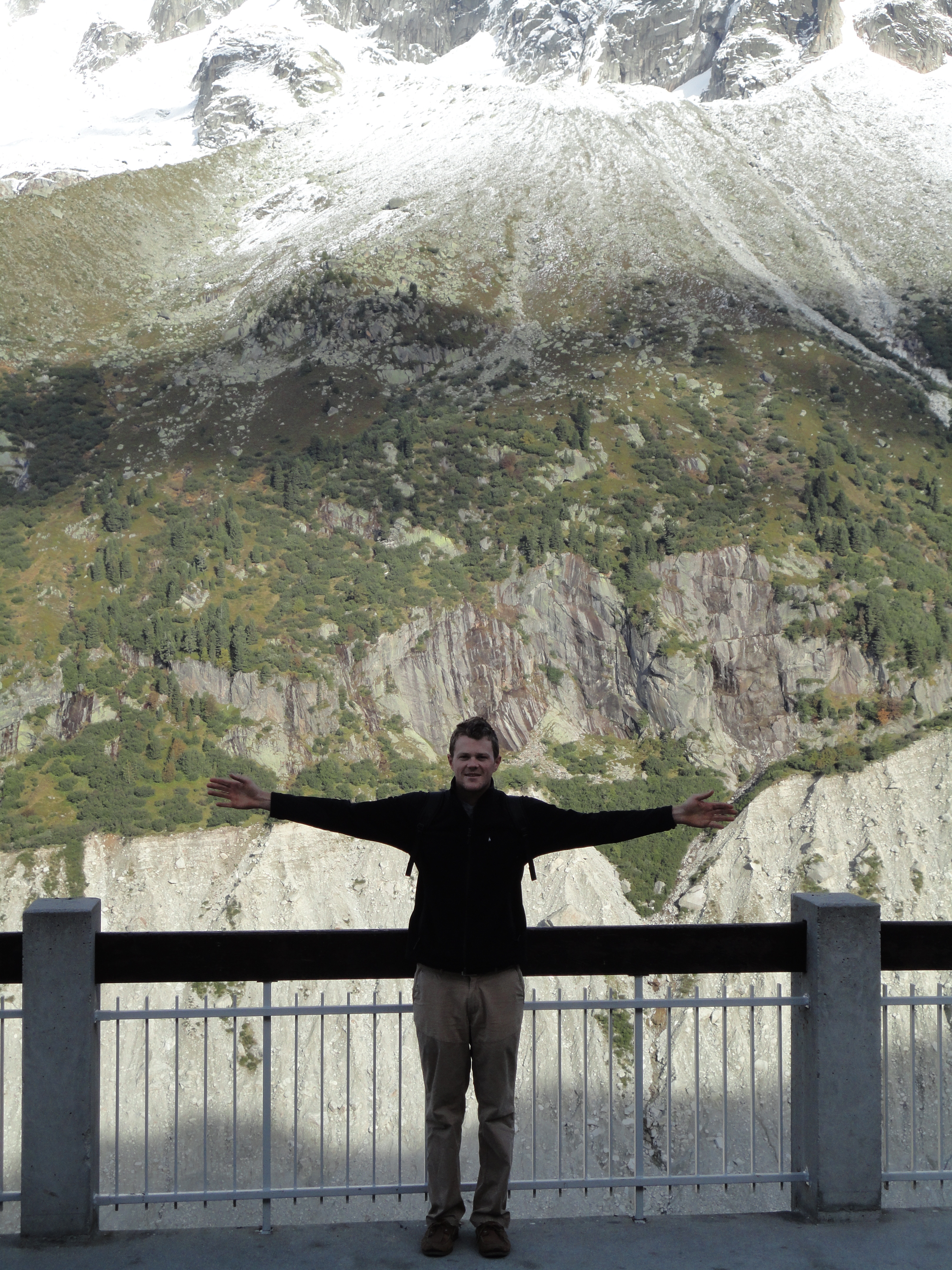
guest_blog1_Aiguille

3. Buy a local flag.

I can’t take credit for this idea, but it’s priceless. Buy a flag from your city or local soccer club to have all your friends from your program sign. Last night of the semester, everyone can jot down a note or memory.

4. Follow your heart.

Americans tend to be very logical or follow the rules. Your semester abroad is a great time to live it up and roam free. Buy that plane ticket to Morocco. Stay out late. Squeeze in one more excursion. Besides, spring semester you’re one year away from graduation.

5. Lean into the language.

If English isn’t the primary language in your city, don’t fight it and lean into it. It’s hard when you can’t read everything or keep up and express yourself. But the sooner you embrace the challenge, the easier it’ll become. Make a note to write down words you don’t know; try the native language first with locals, not English; focus on progress, not perfection.

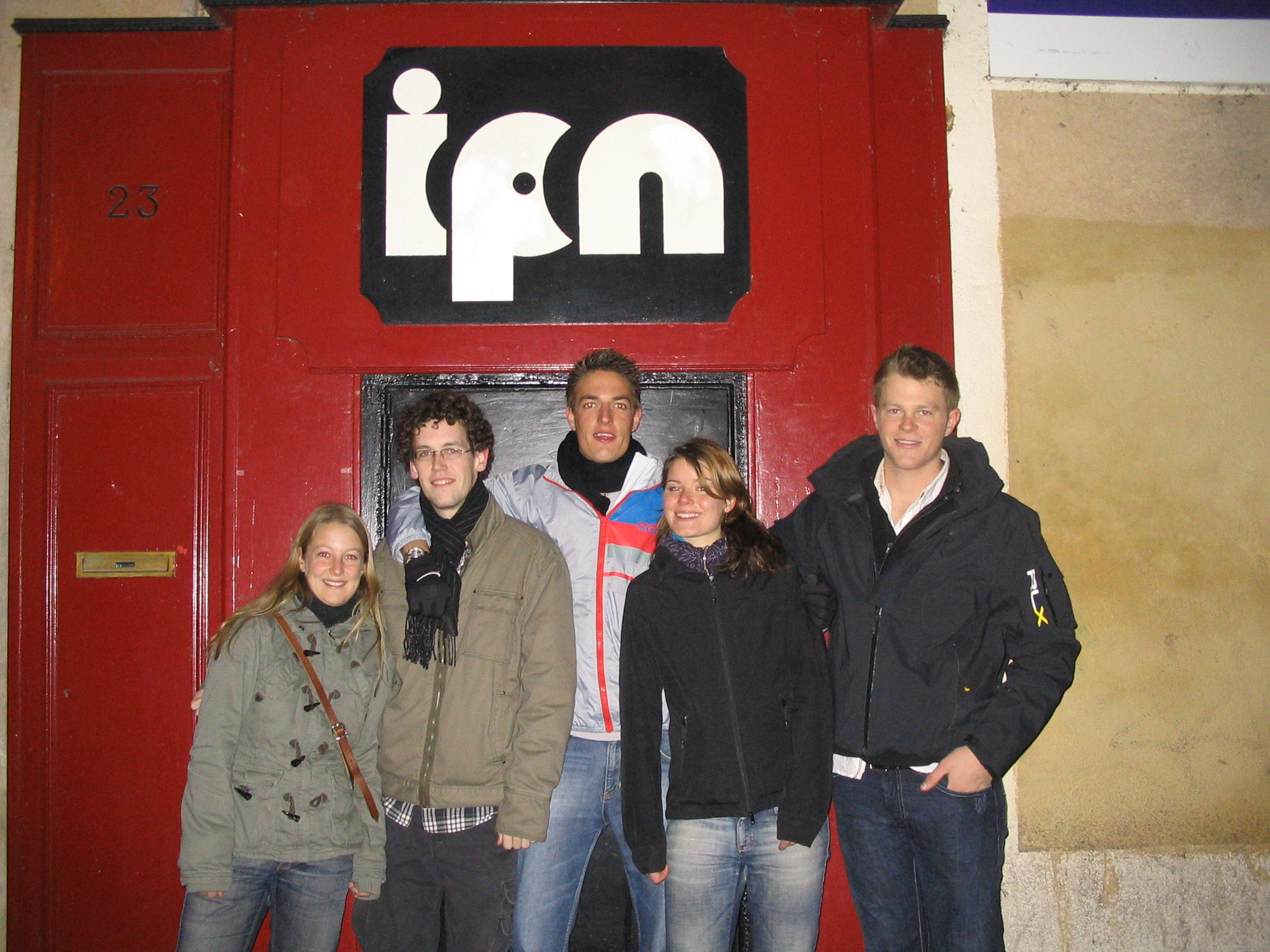
guest_blog2_IPN

6. Appreciate student living abroad.

So your dorm room might be small and your budget is never big enough? There’s a huge difference between living in a city for months and all the graces that come with being a student, versus every other time you’ll travel. The next time, you’ll be rushed to cram everything into 2 weeks. Or you’ll have work emails to answer. Or you won’t know the city like a local. Or you’ll be too old for late nights and too accustomed to the finer things like nice hotels.

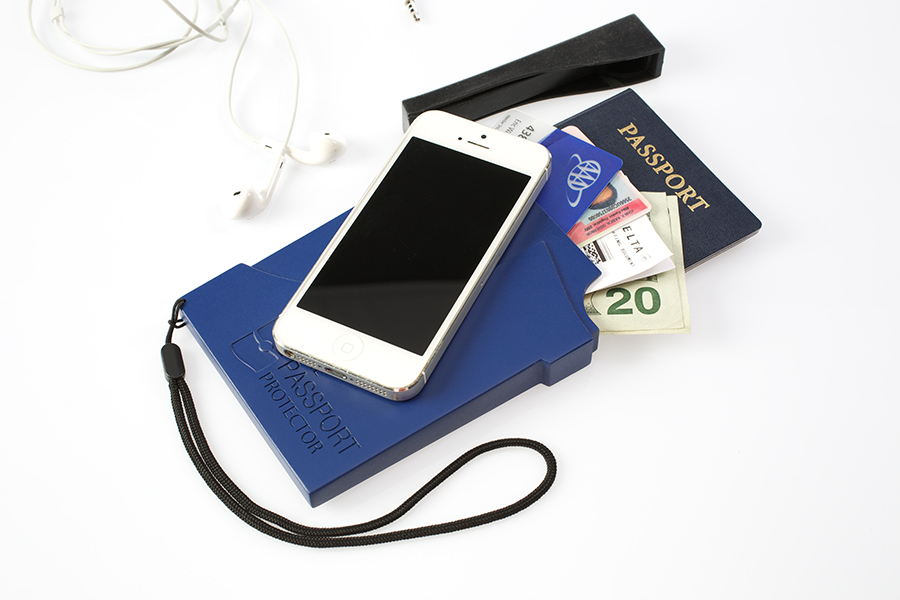
7. Take care of your passport with The Passport Protector!

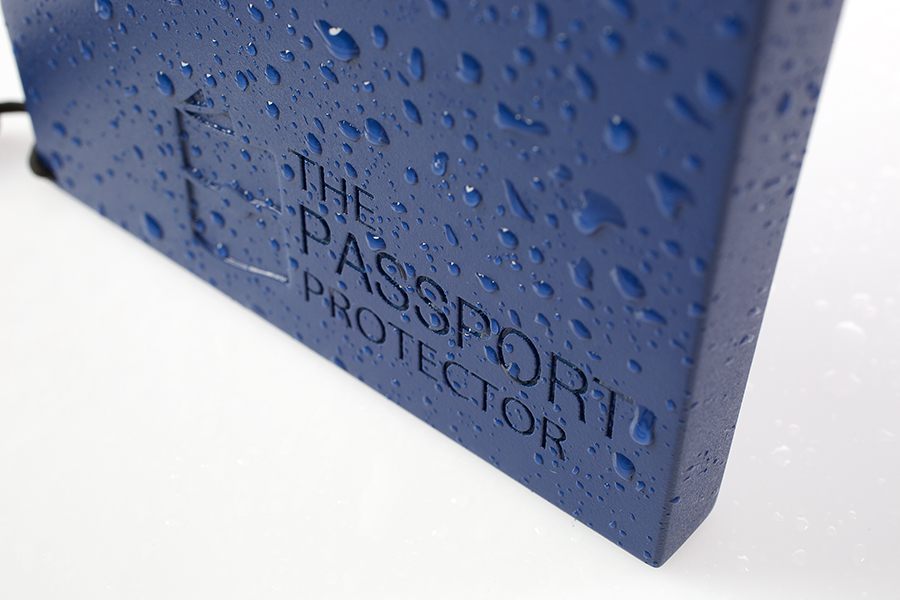
I tried to return to Europe last summer for a two week trip. But as I was boarding the plane, I got stopped by a gate agent because of ‘wear and tear’ on my passport. It was up to date and in decent shape. Unfortunately the airline said they could get fined and I didn’t have any control in the matter. So we lost 4 days and $2500 for me to replace my passport. Thus I came up with a new product – The Passport Protector. It’s a hardcore case with innovative minimal design. Waterproof, impact resistant, and won’t get lost. Plus for every one sold we donate a portion to study abroad scholarships. Check out our crowdfunding campaign to buy one and spread the word: https://www.indiegogo.com/projects/the-passport-protector/x/7035073

guest_blog3_0H5A8724-4x6-150dpi guest_blog4_0H5A8743-4x6-150dpi