
Studying abroad is a major life experience. You’re living in a new country, in a new culture with people you’ve never met before thousands of miles away. Living in a new country requires a big transition that can feel quite intimidating. Fortunately, there are lots of study abroad prepping you can do to secure a smooth transition and an incredible experience abroad. Here are some of the major preparation categories.
Expenses:
A major part of preparing for abroad is thinking about expenses: How much money will I need? How often can I spend money? Do I have the funds to travel during my time abroad? These questions can be easily answered with a budget. I created a budget with Microsoft Excel and it has really helped me manage my money abroad. I know how many big trips I can take while I’m here, how much money I can spend a month, and much more. You can tailor your budget to your wants and needs by looking at a daily, weekly, or monthly budget. Whichever option you may choose, budgeting is key to making the most out of your abroad experience without having to stress about money.
Communication:
Yes, your mom is going to want to hear from you as often as she can, and you’re probably going to want to tell her about all of the amazing things you’re doing too! But how will you communicate with her while you’re abroad? Researching how you will be able to communicate with people back home and people within your selected country is really important. Will your phone work in your country? Should you get a burner phone abroad or an international plan from back home? How good is the wifi in your country? These are the things you should be researching in preparing for abroad. Trust me, you’re going to need Google Maps on your phone everywhere you go.
Weather:
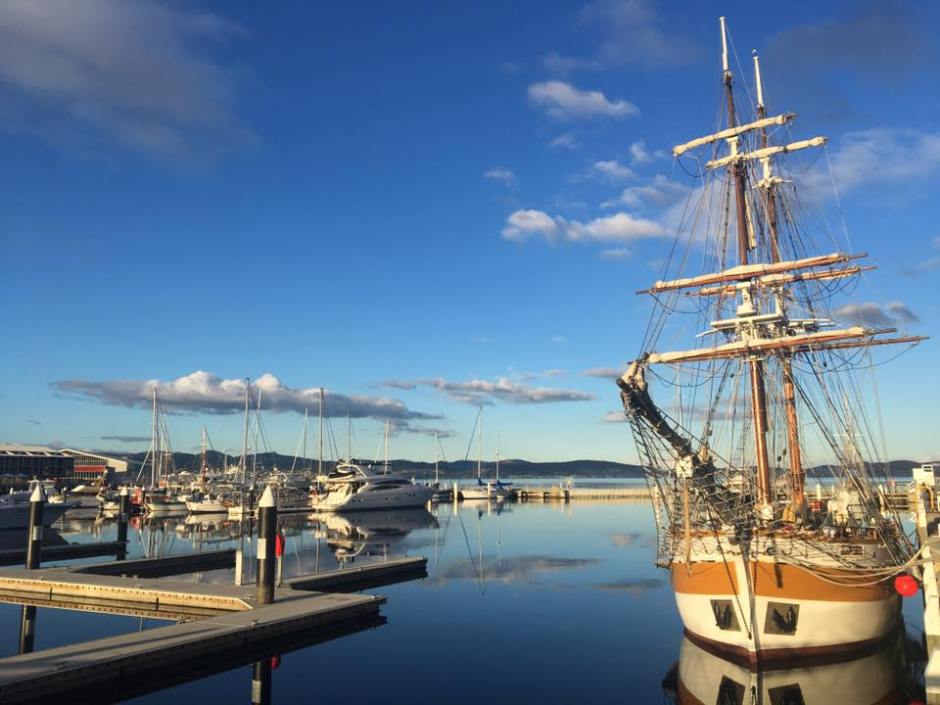
You will definitely want to find out what the weather will be like while you’re abroad. This is key when deciding whether you need to pack 10 sweaters or 10 tank tops or if you’ll ever get the opportunity to wear your sandals. This is especially important for people studying abroad in the Southern Hemisphere because it will be winter when you arrive. Depending on which country you study in, the weather may be regionally specific. For me, Australia is such a large and meteorologically diverse country that I had to specifically search “average weather conditions in Tasmania, Australia”. While the Northern Territory may be hot all year, Tassie has defined seasons. I’m glad I packed my sweaters because it truly is “bloody cold”.
Mental Preparation:
Mental preparation is so important! You need to realize that you’re going to spend 4-6 months (or more if you’re going for a year) in a completely new place. Try to come to this realization a few weeks before your departure, rather than the day before (whoops). Mentally preparing yourself for the ups and downs of being in a completely different environment with new people will ensure the smoothest transition into your new life as possible. For some, realizing that they won’t be able to see their friends and family for a few months may mean taking lots of time out of their schedule to spend time with them before their departure. Do whatever you have to do personally to combat potential issues abroad. Personally, I worked up until the day before I left, which left me with very little time to realize that the flight I was taking the next day wasn’t to DU. Thus, I felt that if I had handled this aspect better, my transition could’ve gone a bit smoother.
Now, don’t let all of this overwhelm you. Studying abroad has been amazing and is an experience that I think everyone should have. It is just a big change in life that will produce a beautiful outcome, so long as you prepare for it!