How to Get Sick: A User’s Guide

The stomach of steel is a myth.

Sorry to break it to ya, especially you “tough as nails” folk, but ABROAD WILL TAKE YOU DOWN. It’s really a question of when rather than if.

But I – No.  I haven’t – No.  I’m tougher – Still no.

They lay it right out there during orientation – you will get sick. It’s far better to accept it, acknowledge it, and move on. Chalk it up to just another study abroad experience. Strange food, strange cooking, stress – your immune system just ain’t up for it for 4 months. So take heed of a few tips from those of us who have already lost the battle:


Give it a week before you go all “Bizarre Foods Study Abroad Edition”

I’m all for being adventurous – it’s study abroad after all – but let your system become accustomed a bit before you eat the worms.

No matter what country you travel to, there’s going to be something awesome and ethnic and cultural to eat. It might be cuy (guinea pig), it might be alpaca, it might be real live octopus, but chances are day two isn’t going to be the only time or the best time to try it. And farther down the line, it might not make you want to throw up, either. 😉
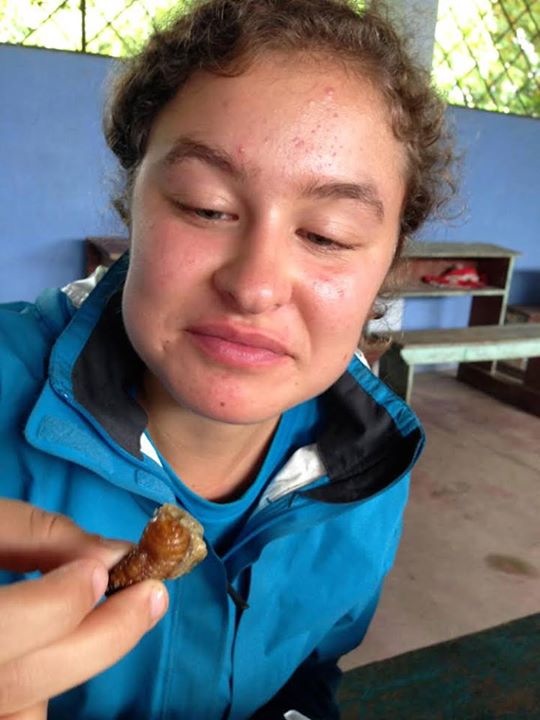
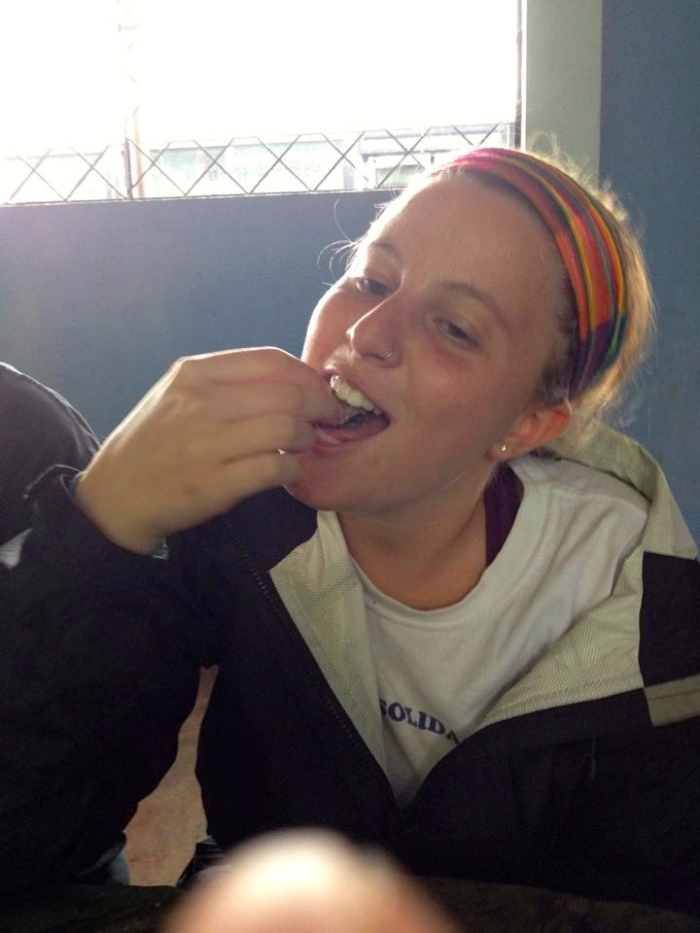
Aimee Schneider, MSID Ecuador 2014, considers her worm carefully before taking the first bite. There are all types of learning while abroad - even learning to eat worms!
The audacious Aimee Schneider, MSID Ecuador 2014, considers her worm carefully before taking the first bite. There are all types of learning while abroad – even learning to eat worms
The daring Emma Kaplan, MSID Ecuador 2014, tosses one back - one worm that is - while studying in the Ecuadorian Amazon.
The daring Emma Kaplan, MSID Ecuador 2014, tosses one back – one worm that is – while studying in the Ecuadorian Amazon


Gettin’ Some Air

 While we come from a mile high, that sneaky altitude can still get ya. Some cities – such as Quito in Ecuador and La Paz in Bolivia – lie high up in the mountains (in the case of Quito and La Paz, in the Andes) where the altitude is almost double that of Denver. It certainly is an advantage to come from Rocky Mountain High where the sky is clear and the air is thin, but be prepared. My new friend Brenna had a horrible stomach ache the entire first week we were in Quito, which she attributed to nerves and new food. After taking every type of medication she had brought with her and several our host families had recommended, it finally occurred to her that going from Minnesota land of the flat to Quito at over 9,000 ft might have had some affect. After taking her altitude meds and drinking a lake full of water, no sign of the stomach ache since.
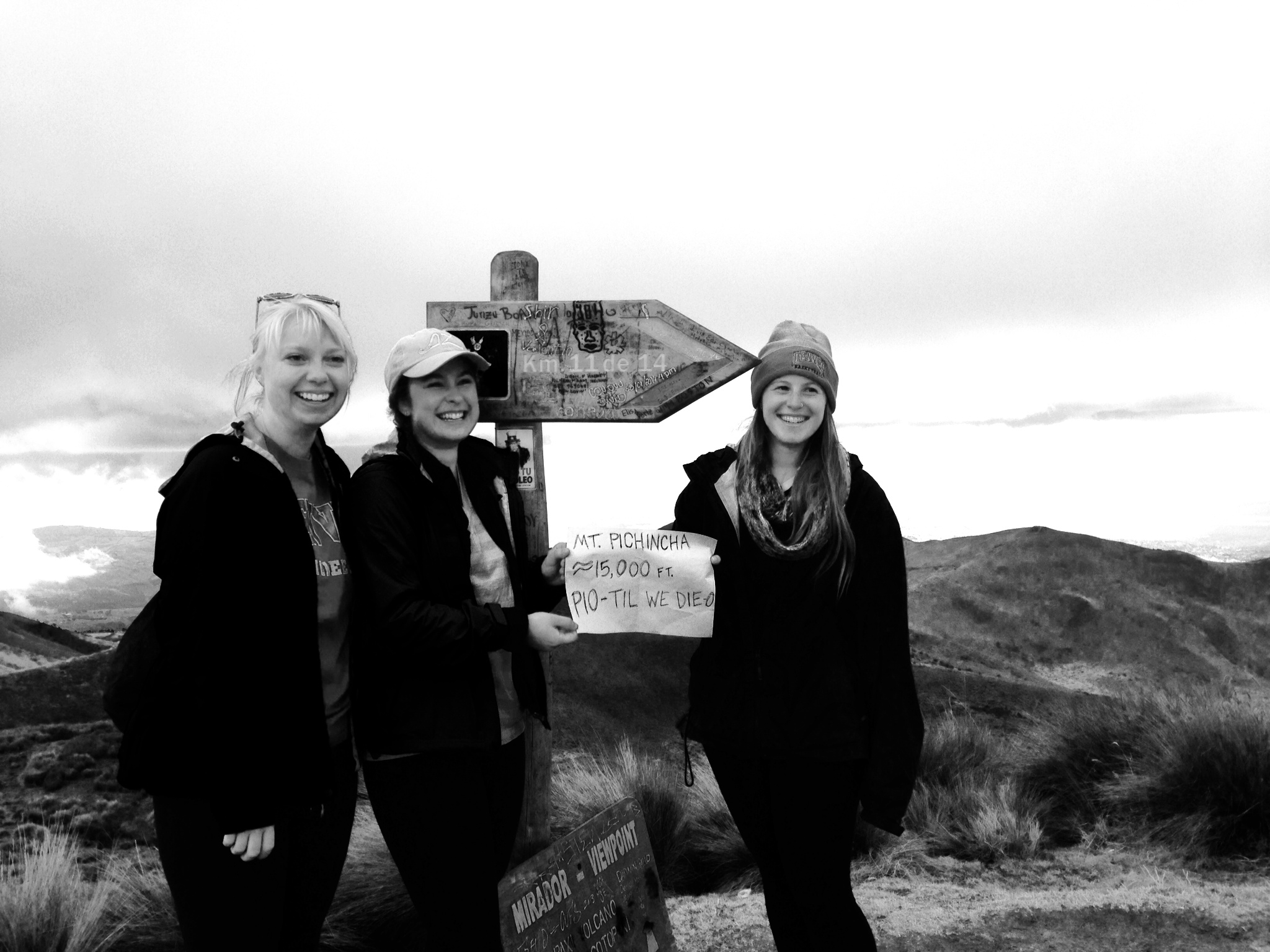
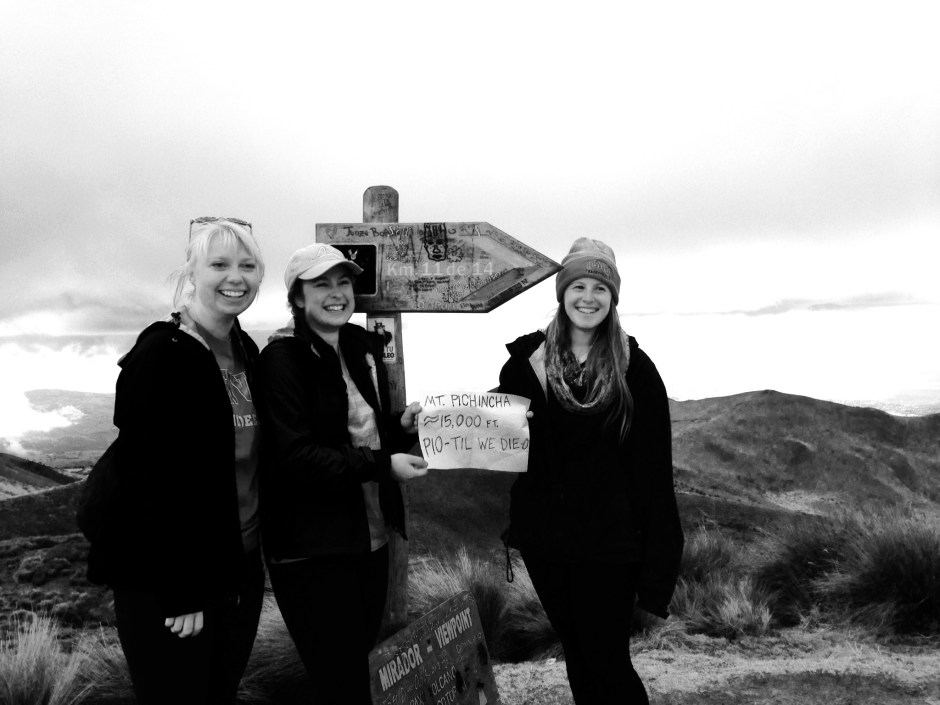
Take that 14ers! 9000ft weren't enough for us, we needed even higher altitude. Volcano Pichincha in Quito, Ecuador. (Maddie Doering, Aimee Schneider, Emma Kaplan - MSID Ecuador 2014)
Take that 14ers! 9000ft weren’t enough for us, we needed even higher altitude. Volcano Pichincha in Quito, Ecuador. (Maddie Doering, Aimee Schneider, Emma Kaplan – MSID Ecuador 2014)
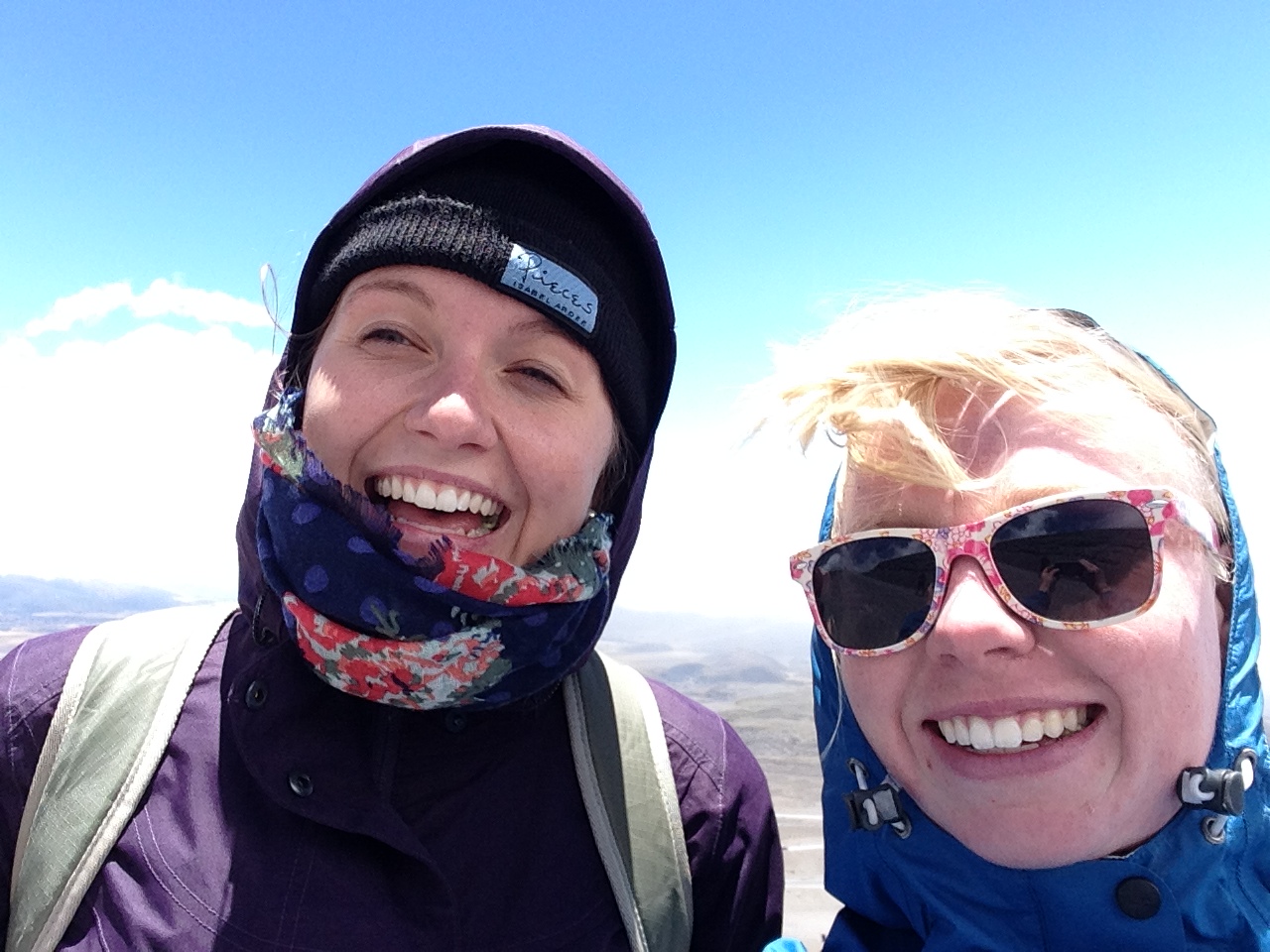
Brenna and myself climbing Cotopaxi

The Thirst for Adventure

 Water. To drink or not to drink, that is the question.

In this case, do as the locals do. If they’re not drinking tap water, odds are you probably shouldn’t be either. If you’re really worried, however, or just don’t want to constantly be buying bottles of water, definitely look into safe water techniques. Chlorine tablets, iodine drops, and even UV lights that kill bacteria in water are all great options.
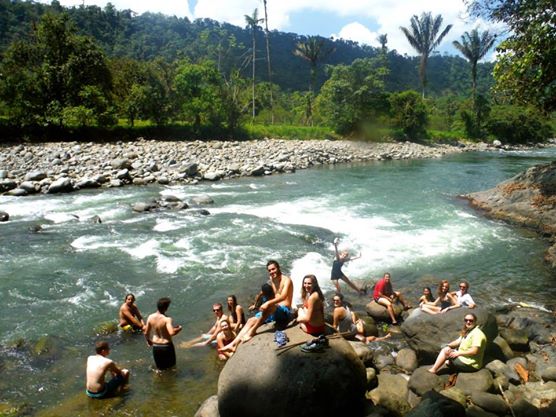
Look how refreshing that water looks! - MSID Ecuador 2014
Look how refreshing that water looks! – MSID Ecuador 2014

Going Native

Getting sick is all part of the experience, as is getting better. So as you want to heave your cookies, just think about what a wonderful experience this is to discover more about the local culture. When I got sick, my host mom made more tea than I thought I could possibly contain. I practically floated for two days. But I got to see how she made it all directly from the actual plant (no tea bags here!) and I did end up feeling better. I also got to experience “limpio de huevo” – the egg cleaning – technique to get rid of all my bad energy. She essentially rubbed an egg all over me then cracked it in water. Where the white floated to the surface was where my “energia negativa” was contained. So really, I’m just holistically a more well person right now.

egg doctor


So friends. Get sick and get some culture. Hopefully these tips will help you so that while you may lose the battle, you can win the war. Happy travels!

-Madeline Doering – DUSA Blogger

Intercambios Saved My Spanish

After more than a month in Spain, I have a new level of respect for anyone who decides to move to a country where they will have to speak a different language. Even the simplest sentiments can be difficult to translate. Oftentimes, it takes me about twice as long to say the same sentence in Spanish as it would take to say it in English. Sometimes I hold up my hand, say “espera,” and take a minute to search for the word I need. And every once in a while, after staring into space for far too long, I sigh and say, “no importa.”

Though I try to practice as much as possible, it hasn’t been as easy as I expected. Originally, I imagined myself speaking Spanish all the time once I got off the plane in Madrid but it soon became clear that our program coordinators were going to communicate with us almost exclusively in English. Whenever I was hanging out with other people in my program they spoke English too. After a couple weeks I felt myself comfortably slipping into speaking English whenever I could, which was often, considering all my friends were Americans from our program.

Wait, I would think every so often. This isn’t what I came here to do. It felt wrong to only ever be speaking in Spanish when I was with my host mom or in class. Wasn’t I supposed to be trying to immerse myself in this new language? At the same time, I didn’t want to ask my friends to try to have Spanish-only conversations with me, and I really did not want to attempt to ask a native speaker if they ever wanted to chat. I’ve played out the scenario in my head, and the only way it ever ends is badly. So badly. And awkwardly.

The perfect solution to my problem came a few weeks after we started classes: an intercambio. In Spanish, the word intercambio means “exchange,” and in this instance the exchange is vocal. Our university matches us up with a native Spanish-speaking university student who wants to practice speaking English and, once we’re given their contact information, it’s up to us to set up a meeting and start practicing.

Intercambios are the best thing to happen to my Spanish conversational skills since the Spanishdict app. I’ve met with many of my friends’ intercambios as well as my own, and they are all extremely friendly and speak near-flawless English too boot. They help you with your grammar mistakes and teach you slang that varies from the useful to the, well, less-than-appropriate.

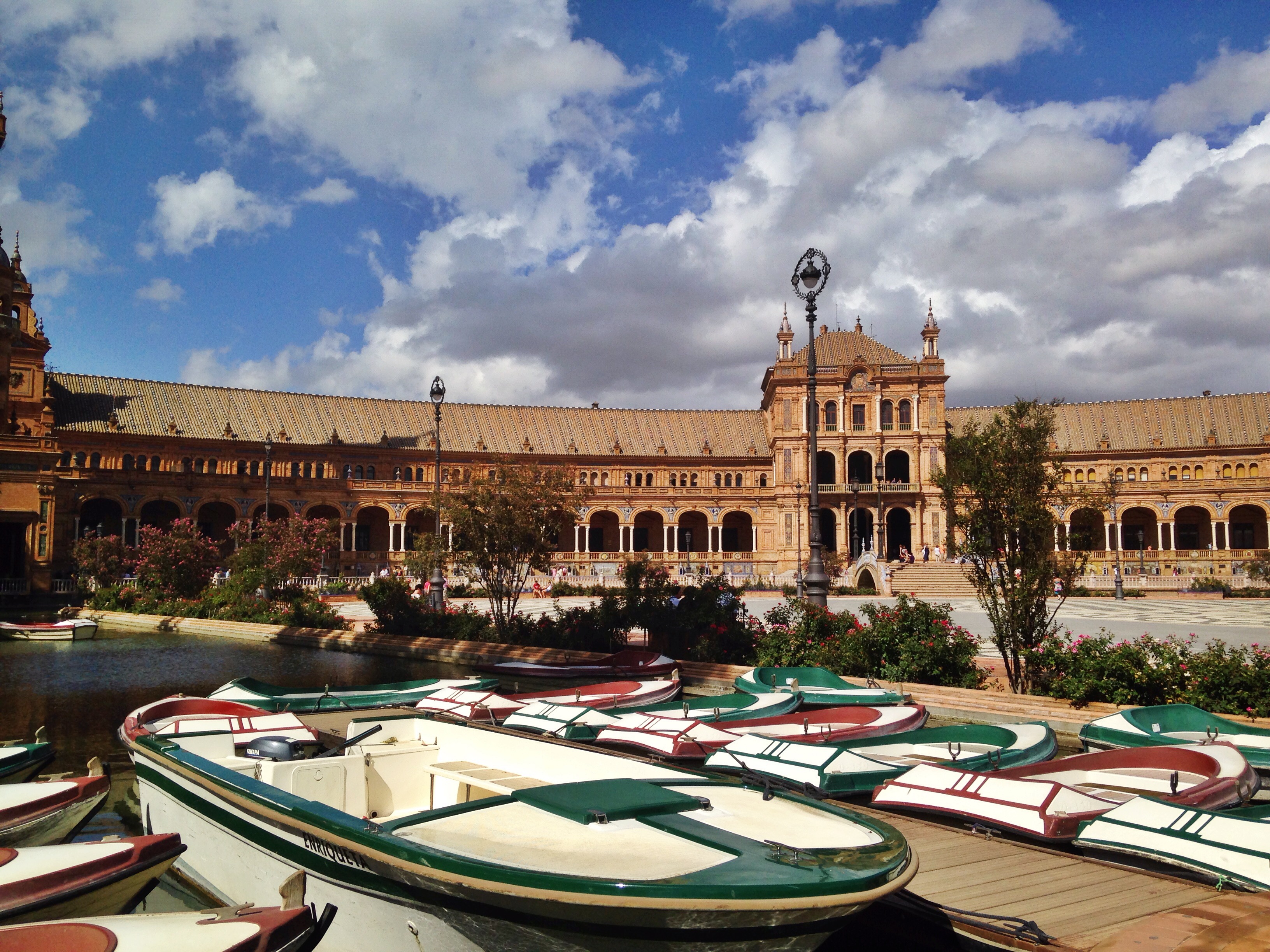
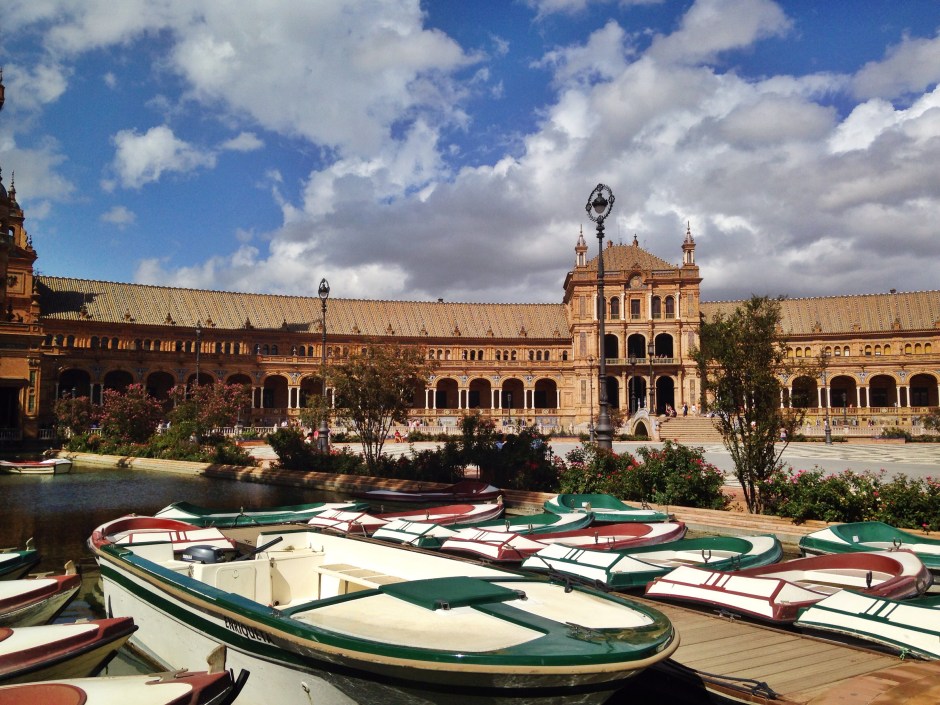
One of the sights I saw while exploring Sevilla with my intercambio - Plaza de España
One of the sights I saw while exploring Sevilla with my intercambio – Plaza de España

The other night I had my first dinner out where it was just me with my intercambio and her Spanish-speaking friends. To say the least, it was intimidating. Not a word of English was spoken. Many times I ended up grimacing because I wasn’t sure if I was supposed to react with surprise, disgust, or happiness. The pace of conversation was so fast that whole minutes passed with stories flying over my head as constantly nibbled on my food to make it look like I had a reason for my silence. Every once in a while, my intercambio would turn to me and translate a story that had just passed, rapid-fire and full of slang I don’t know, between her two friends.

Though the experience may have been a little bewildering, it was fulfilling in a way that spending a night speaking in English wouldn’t have been. I felt like, though I struggled, I was accomplished in some way.

And the things worth accomplishing, the ones that leave us with a sense of pride after we’ve achieved them, are the ones that present the hardest struggle along the way.

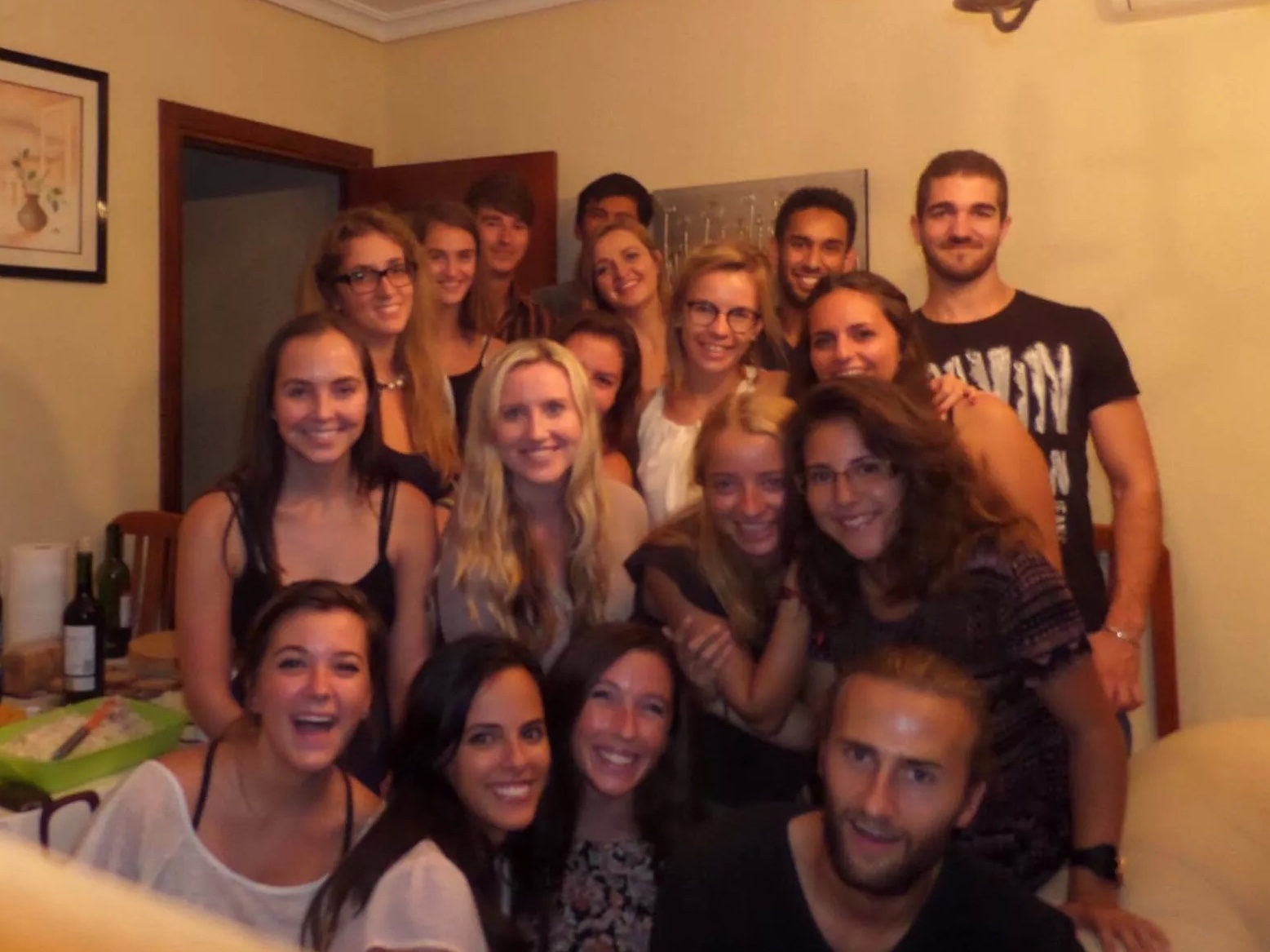
Intercambio night! Spaniards, Americans, Brits, Germans, and more.

To help with navigating the struggle that is overcoming the language barrier, I’ve compiled some facts/ tips that I’ve picked up in the last month and a half:

  • You will be scared. Don’t be. Nervousness may keep you from saying something wrong, but it will never allow you the chance to learn how to say it right.
  • (Most) people appreciate your efforts. Speaking in a country’s native language shows an appreciation for the people and their culture, and you are more likely to run into people who will help you through a conversation than people who will judge you for your mistakes.
  • Learning a language takes time; progress may seem slow, but as long as you keep practicing it will happen. Everyday phrases will become easier when you actually start using them everyday.
  • Sometimes the only reason you understand what people are saying is because of the accompanying hand signals they make.
    • Just today I had an entire conversation with my tapas professor using hand motions and sounds to imitate what food would sound like in the pan. Seriously. (And it was probably the most entertaining conversation I had all day). You can get by even when you don’t have the words to, so don’t get flustered when you can’t figure out what you need to say.

Emily Laurinec-Studer, DUSA blogger