Down with the Sickness?

Background information: I have a horribly lacking immune system, so here are some words on how to cope when really feeling ill in another country.

The first time I started feeling sick (yeah, I have been sick multiple times… leave me alone) I kept pushing myself to do more things over the weekend and accomplish everything on my list instead of taking a break to feel better. Pro-tip: if you don’t rest, it will get worse. The minute you really start feeling like that stomach ache is getting suspicious or whatnot, park yourself down, start drinking more than the usual amount of water, and only do as much as you feel you can. The main mistake that people make while studying abroad is pushing themselves too far, or pretending they aren’t sick so that they can have more fun on the weekends. This means that you will miss classes and ultimately have more work to do for the next weekend. Rest while you can, and recover quickly. (also the usual LIQUIDS tip that everyone has… lots of liquids.)

So as for the practical packing tips- what medication should you bring, and what should you expect abroad?
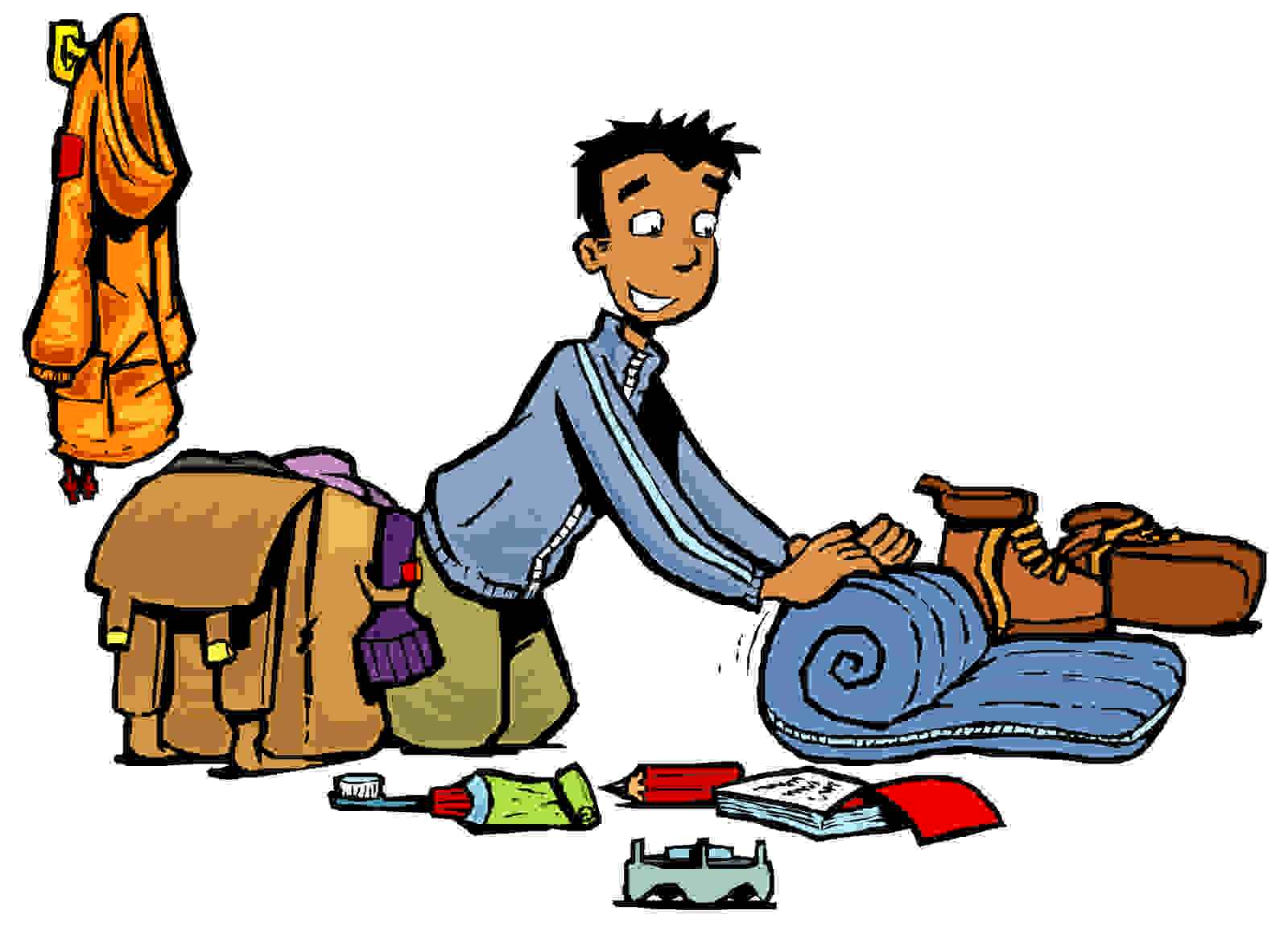
World-Travel-Packing-Tips-–-Tim-Ferriss

In my personal experience in Hungary you can expect the same types of medications as are in the US, but the issue of translations can certainly get in the way. For the sake of fewer worries (and not having to make trips to the store while actually sick) here are a few absolute basics that will be handy in case of any emergencies:

  • Dayquil/Nyquil (help with congestion, sleep and basic cold symptoms. Have plenty with you- the Common cold is the most Common issue)
  • Ibuprofen  or Advil (for basically any other pain-related issue)
  • Pepto Bismol (for any basic stomach issue)
  • Benadryl  (can help with sleep but also any allergic reactions you may have- if you are not prone to allergies then don’t worry about it as much, but it can still be great as a backup)
  • Immodium (“gut glue” anti-diarrhea)

…and any other medication suited to your particular needs. I brought along melatonin sleep aid for the first day or so as well as for travel issues.

As for doctors’ appointments abroad, I can only really tell you about my friend’s experiences in Hungary. Medication is cheap, and the doctors are kind. But you do have to have a translator along, someone you can trust. Usually there is someone in your schools adviser department who will be willing. Prices vary, but for one friend she got three different prescriptions for thirty dollars, and another friend had a much more serious doctor’s appointment for only 60 dollars. Hopefully you will never have to worry about this, but before you go to whichever country you are planning on, it is nice to ask your advisers about medical facilities to get a good idea of backup systems once you do get to the country.

For things like cuts and scratches (just to help with the easiest medical kit for abroad) I just brought medical tape. It works better than blister bandages and if you put a bit of gauze or fabric underneath it then it is an instant Band-Aid. Blister bandages don’t allow the wound to breathe and heal itself, and any time you remove a blister Band-Aid often times the skin goes with it. That’s why medical tape is optimal because it can breathe and it won’t necessarily remove skin with every replacement. Neosporin is also useful for these things.

OK so If I were to sum up the best first aid kit to take with you while traveling this is what it would be:

  • health
  • Dayquil/Nyquil
  • Ibuprofen
  • pepto bismol
  • Benadryl
  • Imodium
  • Sports Tape
  • Neosporin
  • Hand sanitizer
  • sunscreen/aloe
  • insect repellent (Depending where you are)
  • hydrocortisone
  • lozenges
  • any of your own personal medications
  • handkerchief

I know the last one is really odd but when I traveled in Japan it became a religion for me. It is always a good backup when bathrooms don’t have hand towels, or if someone gets a bloody nose or needs a quick injury fix. They may seem old-fashioned, but honestly they take up little to no space and you will be surprised how often you use it if you are willing.

I hope this list is helpful for you, leave comments if you think of any other useful items to have in your “snake bite kit,” as my mother calls it. You can also find lists like this online, lots of medical websites have suggestions, mine is just the dumbed-down version of what already exists.

Honestly I hope none of you will have to deal with being sick or ill abroad- but it is always good to have a backup.

-Miranda Blank, studying abroad in Budapest, Hungary – fall 2013

Pegasus and Palm Trees in Ulaanbaatar

As of today, I’ve been living in Ulaanbaatar for about two weeks. The capital of Mongolia and now home to half the country’s population, the city can at times feel overwhelming. Construction on every corner has not yet changed the fact that the city barely has the infrastructure to support the influx of people. For me, this can be felt most evidently in the traffic. Traffic is a constant in the city. In every district, almost every hour, every day. The local UB dweller knows this, and is just as aggressive as any driver, dodging buses and playing chicken with oncoming cars to cross the street. When school started September 1st, teams of traffic police took to the streets, wielding whistles and fluorescent batons, conducting the traffic as though it were an orchestra. Courageous men, to stand in the middle of the street like that. Slightly suicidal, maybe, but courageous nonetheless.

Similarly, traffic laws we take for granted in the States are not quite as relevant in UB. Double parking seems to be the norm, and rules like leaving handicap spots open or wearing a seatbelt appear as more suggestions than anything else. That said, UB is a fairly simple place to navigate. The main thoroughfare, Peace Avenue, runs the length of the city, east to west. Follow Peace Avenue, and eventually you’ll come to Sukhbaatar Square, the city center. There sits the stately Government House, and surrounding it, several important buildings, including the Mongolian Stock Exchange, the City Administration, which is housed in a tall, sleek black building, and a large, pink opera house. All built in different decades, with very different architecture. Luckily, almost anything a person might need can be found in and around Sukhbaatar Square, including the State Department Store. Founded in 1921, the place has about five different levels, and holds everything from designer perfume to flat screen TVs, as well as a supermarket on the first floor.

Also luckily, my homestay is located directly off of Peace Avenue, in a tall apartment building, almost smack dab between Sukhbaatar Square and where I go to school in the SIT center, my study abroad program. And while it’s just about impossible to get lost on Peace Avenue, I have a thoroughly useless sense of direction, and I’ve come to rely on a handful of local landmarks to help me navigate the various, sometimes overwhelming, parts of the city.

Landmark #1: the Golden Pegasus

Every morning when I leave my apartment building to walk to school, this lovely scene greets me. I’m not sure if its a kind of park for the complex, or purely for asthetic value, but it ensures I never forget where I live.

IMG_0417

Landmark #2: the Officer’s Palace

Before I could nominally navigate my way around UB, the city would quickly become a blur of brown buildings and signs in cyrillic. If it weren’t for this flag memorial thingy, known as the Officer’s Palace, reminding me to turn left for the SIT center, I probably would have just kept walking all morning until I reached the ger district.

IMG_0418

Landmark #3: Blue Sky Tower

Comfortingly tall and blue, this building stands out, anchoring me to the center of the city. I’ve never been inside. I don’t really feel the need to. Just seeing its bright blue curves peeking out from behind grey buildings helps me orient myself in the city.

IMG_0430

Last but not least, landmark #4: Sukhbaatar Square

Directly in the middle of the city, Sukhbaatar Square provides the ultimate landmark for finding your way around UB. If I can find the square, then I’m that much closer to finding the one Mexican restaurant in the city, or the supermarket, or a real cup of coffee. It’s an essential, not to mention striking, part of the Ulaanbaatar.

IMG_0433

This last week has been a whirlwind of lectures, language classes, and city life. But I feel like I’m beginning to find my place in UB. As well as some pretty excellent vegetarian restaurants and expat cafes. Beyond that, I’m STOKED for this week, as we leave on Wednesday for the countryside! Goodbye cushy city life, hellooooo nomadic, one room family living!

Sunset view from my apartment homestay in UB. You can see the traffic lighting up Peace Avenue below.

A final note:

We were sent this article for one of our lectures. It’s a NatGeo article, so a quick read, and a really interesting perspective on the growth and change of the city and country.

http://ngm.nationalgeographic.com/2011/10/ulaanbaatar/belt-text

*This post (and others!) can also be found at my study abroad blog, www.excessivefreedom.wordpress.com


– Heather Cook, DUSA Blogger fall 2013