Being an Art Major Abroad

As an art major, finding art, art museums, and historical art sites abroad is great. Especially after taking three quarters of art history, I recognize a number of famous paintings and styles. At DU, I am majoring in Electronic Media Arts Design, which has required me to take four studio art classes, as well as two general art history classes and one history of Asian Art class in addition to all of my graphic arts classes. Although I did not study in Italy or Greece, I still saw quite a range of art—historical and modern—when I was in Denmark and travelling around.
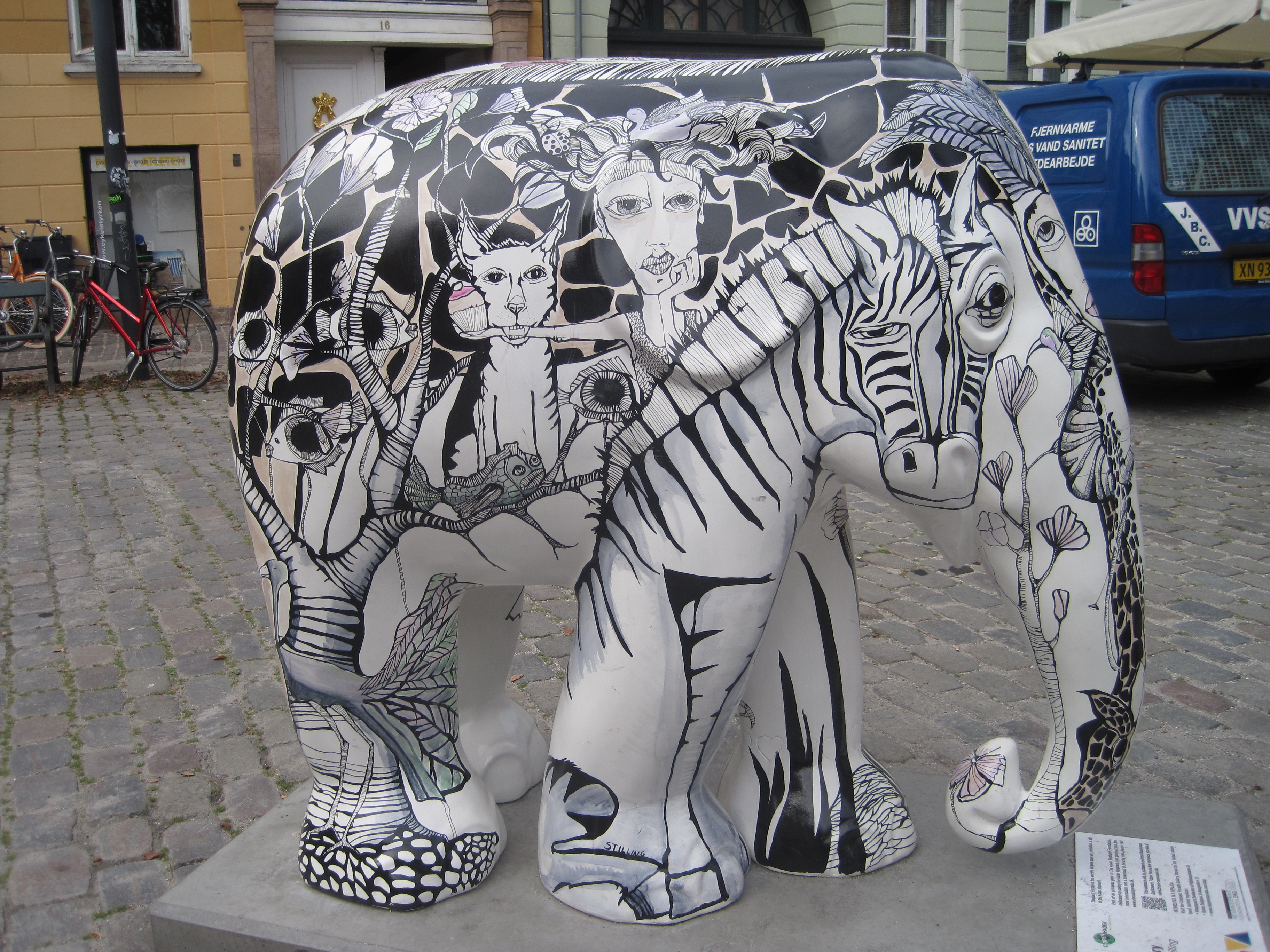
Photo: Rosa Calabrese

On a rather accidental trip that I took with two students from my folk high school to the art museum in Copenhagen, I got the amazing opportunity to see Jane Avril by Henri de Toulouse-Lautrec. I remembered studying this painting during my sophomore year art history class, and I furthermore remembered how much I liked learning about the period in which it was created and this painting in particular. Additionally, during some brief travel outside of my Danish home away from home, I went to the Picasso museum in Barcelona where I was able to explore many of Picasso’s less famous works that I did not know about even from my art history courses.

Photo: Rosa Calabrese

Though perhaps equally rewarding was the ability to see sight-specific works of art even without prior knowledge to the artists or reason that they were created. For example, while on the Danish island of Bornholm, I went to an art museum and was able to see many different paintings and sculptures. However, since I was there towards the beginning of my stay when I did not know much about Danish culture and had little to no knowledge of the Danish language, I had to independently try to understand the meaning of the artworks. I had a similar experience when I went to the art museum inside the Round Tower in downtown Copenhagen, which had a number of contemporary art pieces on display.
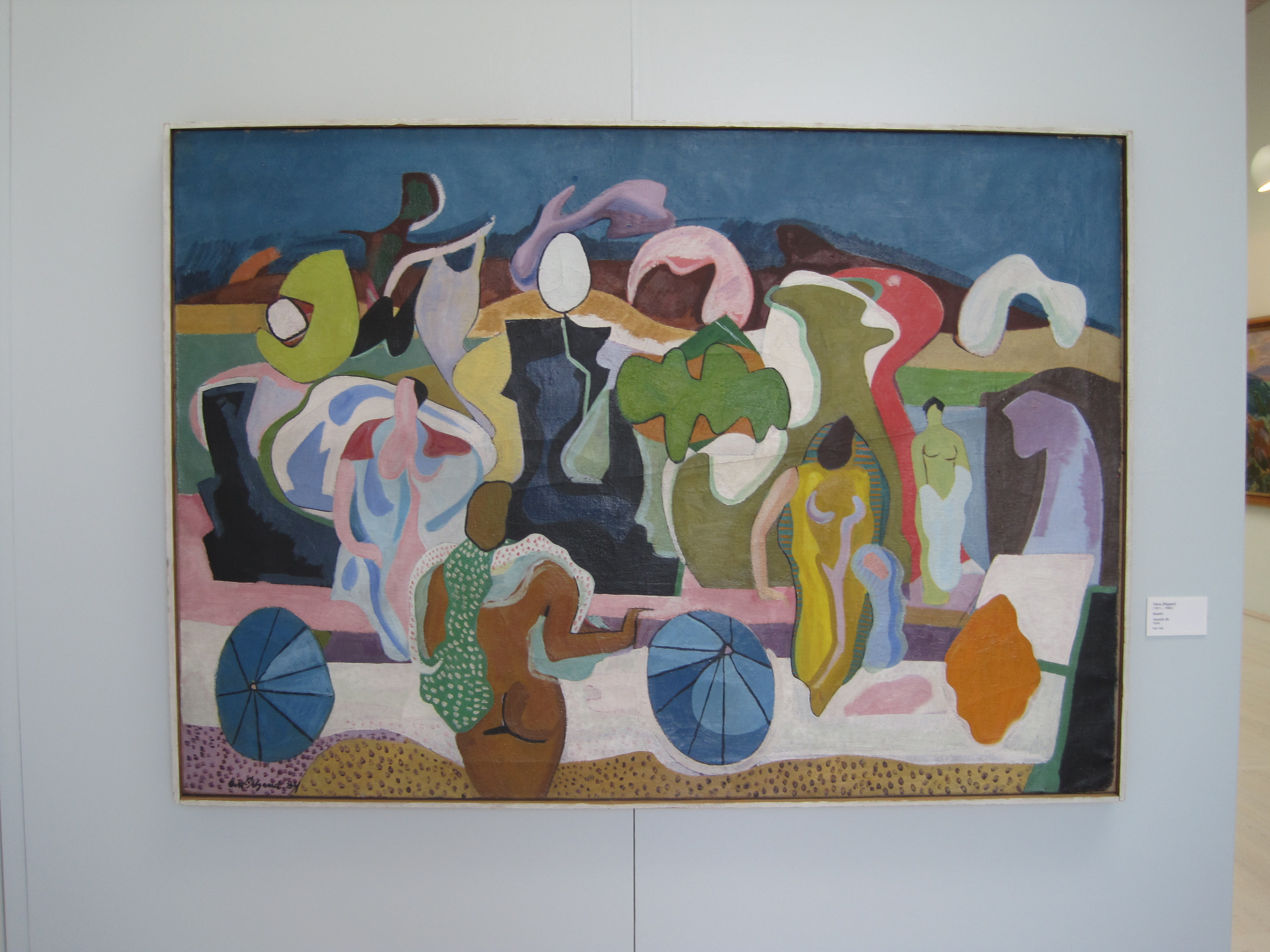
Photo: Rosa Calabrese

Although I still envy my friends who have been to the Louvre in Paris, to ancient ruins in Greece and Italy, who have seen the Terracotta Army in China, as well as many other historical sites that I remember from my art history courses, I still loved the art that I got to see in Denmark. I am lucky of course that my major is so relevant to anywhere in the world since art is everywhere. Of course Denmark itself is famous for its architecture and for its modern art, so it was not at all difficult to find art related sites to visit, but it is wonderful to know that I can go anywhere in the world where people have ever lived and I will be able to find art.

-Rosa Calabrese, DU Study Abroad Peer Advisor
The Scoop on the UK University Experience

With a large number of students heading from DU to study abroad in the UK this fall, here I write about my experiences studying in both the UK and the US academic systems.Studying in the UK will expose you to a number of differences in academic culture. Below, I’ve highlighted some of the most significant.

Generally you can expect to have fewer hours of class in the UK. In the UK many full time juniors or seniors might have just three or four hours of class time, compared to 15 hours at DU.

The time you spend in class will be much more lecture-based than at DU. Don’t be surprised to find little student participation in your classes in the UK. Often only the Professor will speak for the duration of the class. Instead, student participation is reserved for “tutorials”. Typically, these are one hour seminar/discussion sessions with the Professor, sometimes in their office with just five or six other students.

cynthialeitichsmith.blogspot.com
Photo Credit: cynthialeitichsmith.blogspot.com

Given this, there is a much greater focus on independent research outside of class and you will be expected to conduct your own research. In many cases this means picking your own books and articles to read from a list on the syllabus, rather than being assigned specific readings for each class as you are at DU.  This means that if assigned a particular essay, many students will answer it very differently based on the differing reading that they have done themselves based on their interests. To get strong grades, incorporating this individualized reading into your papers and exams will be important.

Generally, there will be fewer assessments than at DU. For many classes you might find that your assessment comprises either a single exam or a single paper, or perhaps an exam and paper due together at the end of the quarter/semester. Consequently, it is unlikely that there will be a participation grade, quizzes or midterms. Some students like the fact that they have less stress across the quarter, others don’t like that all their assignments may be concentrated at the end of the quarter.

Photo Credit: www.ed.ac.uk
Photo Credit: http://www.ed.ac.uk

This system means that there is more ambiguity and less structure in the UK system as a whole. The Professors will see you as more of a self-starter. Often, a Professor might never mention the assignments for that class and will instead expect you to read the syllabus, see what the assignment is and do it without guidance.

In the UK, particularly in England and Wales, most students only study for three years to earn their degree. The three year degree means that there is no common curriculum. In college, students only take classes in their major and therefore usually only from one department. Therefore, most students choose their College major whilst in High School at the age of 17. A DU Junior studying abroad should be aware that local students taking third year classes in the UK will most likely already have studied as many as ten classes in that major.

Photo Credit: blog.sfgate.com

Given these differences, it will be important to adapt quickly by setting your own learning plan, making sure to meet with your Professors and by disciplining yourself to work throughout the term in order to disperse your workload rather than leaving all your work until the final weeks of the semester.


-Callum Forster, DU Study Abroad Peer Advisor