
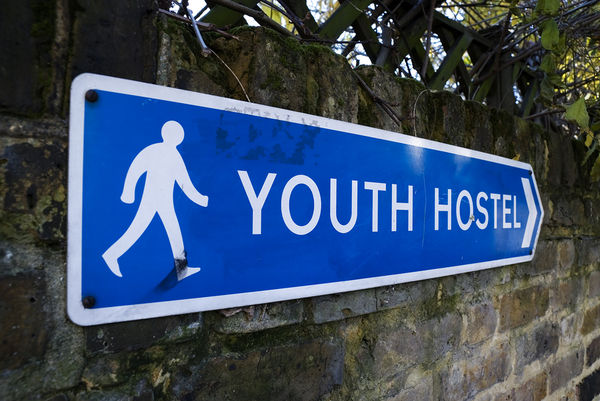
 Hostels can be a very interesting way of travelling, especially since most of us are used to hotels. In the United States, we commonly pay for a whole room, bed, bathroom, and possibly kitchen. A hostel typically is set up with a bunch of beds in one room with shared bathrooms elsewhere. Essentially you are renting the bed, not the room. There are pro’s and con’s with travelling in the hostel world. It can be a very inexpensive way to travel, and usually while travelling, there is no need to be in the hotel/hostel for a lot of time. However, sleeping arrangements can be a bit interesting and you may have to deal with obnoxious snoring. Hostel rooms can be as small as 4 person rooms, or the largest one I personally saw was a 24 person room! Here are some tips that I wish I had known:
- It can be really uncomfortable sleeping in the same room with a bunch of strangers. I recommend travelling with a friend or a few! Sometimes the whole hostel room can be filled with people you know!
- Bring a lock! Many hostels provide lockers somewhere inside the rooms. If you would like to avoid creepy strangers potentially rummaging through your things, LOCK IT UP!
- Headphones or earplugs can be useful when people are being loud while sleeping. Even eye covers can be useful, some occupants will randomly turn lights on and off at random times.
- SHOWER SHOES ARE IMPORTANT!
- Introduce yourself to your temporary roommates. Some of them can be very interesting and may know a little more about the city you are visiting than you do! Also be aware some people will not be friendly.
- BE POLITE! As uncomfortable as these situations may be, you do not want to anger anyone you are staying with!
- Most rooms are unisex, but if this is a problem you can get single-gender rooms.
- Lastly, do your research by reading reviews on various hostels. This is important. Seriously.
– Dylan Perry, DUSA Peer Advisor

 DU Abroad