The Post You’ve Been Waiting For: Foodies in Zanzibar

Hamjambo!

So if you know me, you know I love everything about food: the smell, restaurants, cooking, and especially eating.  I know that once I come back from Zanzibar, after friends and family tell me how tan I’m getting (which is pretty tan if I must say so myself), they’ll ask me about what I learned to cook.  Meals in Zanzibar are different than anywhere else I have visited, so I thought it would be cool to, instead of just saying the food I’m eating, to take you all through the steps of a Zanzibari meal.

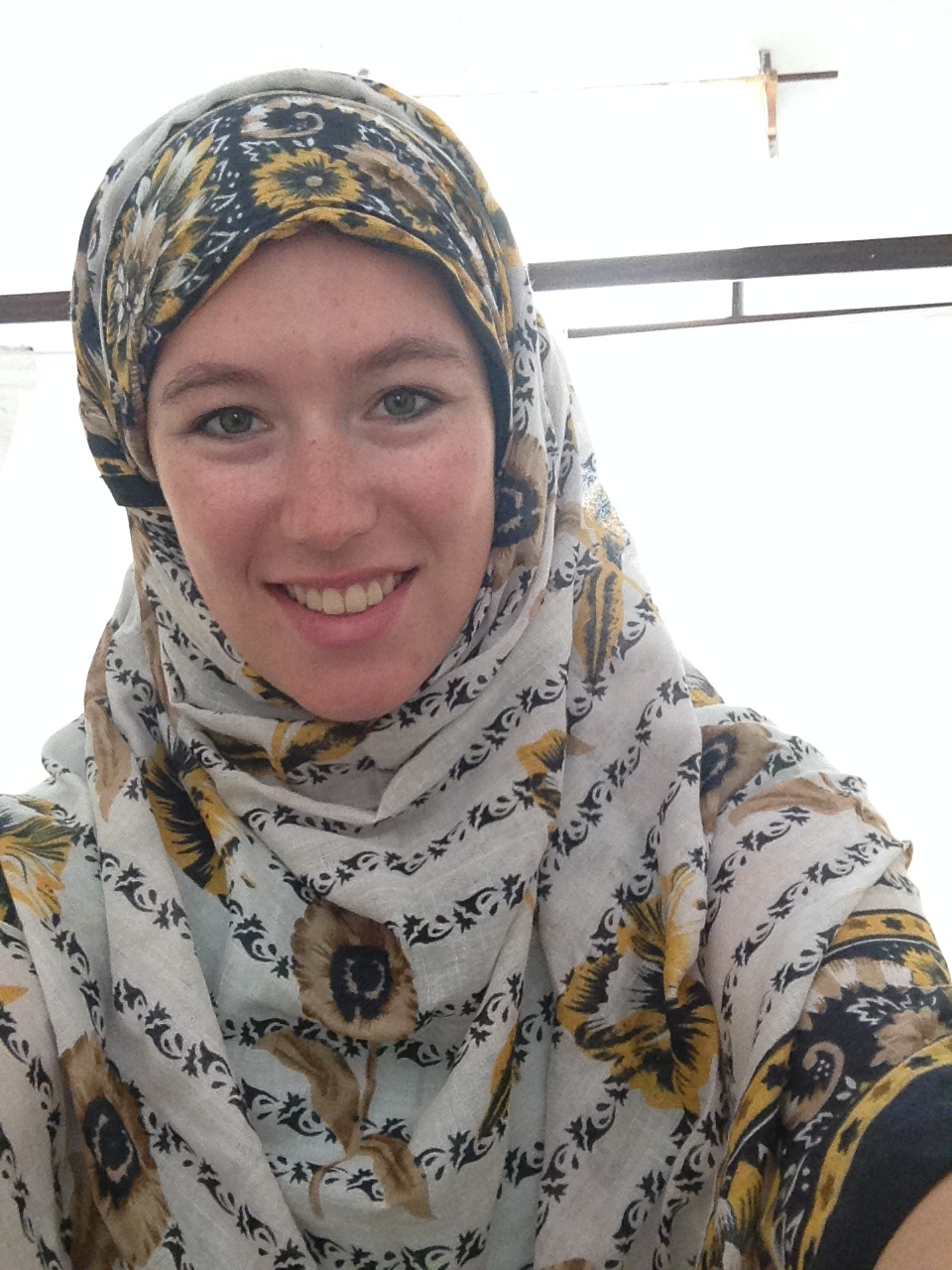
Firstly, you are invited to a friend’s home for dinner.  Dinner is eaten pretty late here, anywhere between 7 and 10 pm (that’s 1 and 4 usiku in Swahili time), so you show up around seven thirty because Swahili time is never on-time.  The most important thing is that you take your shoes off when you enter – in Islam, shoes are considered dirty and shouldn’t be worn in the house.  Also, if this is a formal occasion, you should dress for it.  That means full headscarf and makeup (and for the mzungus, makeup to make you look Arabic).  For Eid al-Adha, a Muslim holiday celebrating the end of hajj (the pilgrimmage to Mecca), I had my makeup (over)done by my host mom.  See below.

Anyway, back to the meal.  You need to greet your host with a handshake (people use the “limp fish” handshake technique or just a low high-five basically) and you hold on until you’ve finished multiple rounds of greetings.  There’s no appetizers set out, no glass of wine (Muslims don’t drink alcohol), just a floor mat and pillows or if you’re lucky, a couch.  Eventually, you hear “Chakula tayari!” (food’s ready!) and you head for the dining room.  You’d expect a dining room like at home with miscellaneous paintings on the walls and a table and chairs in the middle.  Wrong.  There’s an eating mat spread out on the floor with some plastic on top for food spillage, which will definitely happen.  No chairs, no table; you sit on the floor cross-legged around all your friends and family.
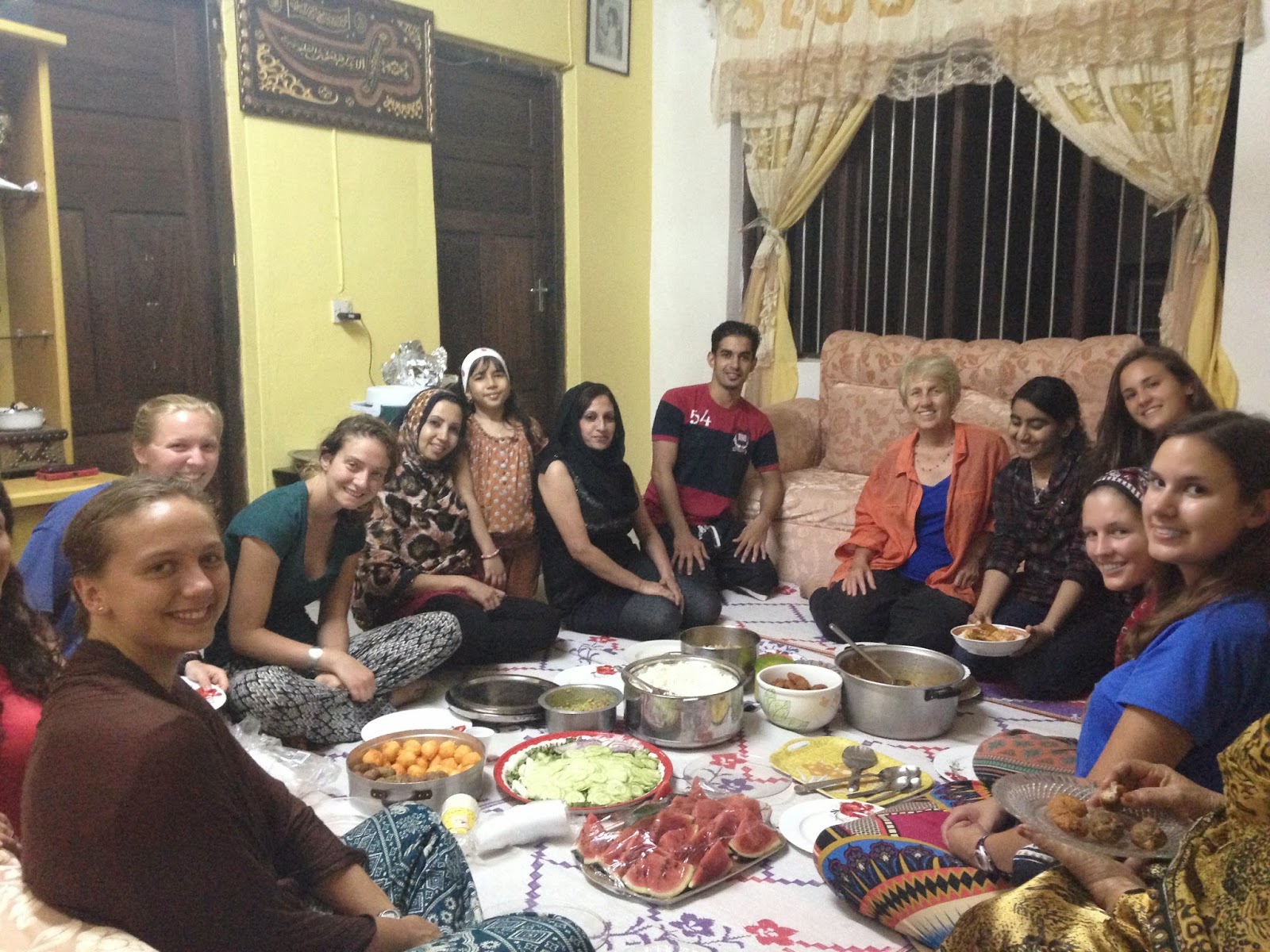
The food spread out before you is like nothing you’ve ever seen: breads, beans, some veggie things, something that looks like a fat pyramid, mounds and mounds of rice, potatoes (the potatoes here are incredibly sweet), fruits, and that one thing you know you love – chapatti.  Chapatti is a wonderful food, it’s a flat bread that’s buttery and flaky and I almost don’t want to know how it’s made because I know it’s going to be extremely unhealthy.  You do a second count of the people in the room and look at the amount of food for those people and think that there’s no way that double the amount of people could finish the meal in front of you.  Wrong again.

Those breads: chapatti, coconut bread, and boflo (bread loaves)
Beans: I hated beans before I came here, now I love them.  Still have no idea how to make them.
Veggies: peas in a curry coconut sauce, pilau which is a soup with potatoes, meats, peppers, onions, tomatoes, and whatever else you want basically
Fat Pyramids: they’re called samosas and they’re incredible.  They’re usually come in beef or veggie form, and they’re basically the meat and veggies wrapped up in filo dough, similar to what they use to make baklava in Greek recipes
Rice: a staple of a Zanzibari diet.

One of the first things I learned in Zanzibar was to always serve yourself, don’t let a Zanzibari do it because you will get your dinner plate covered in rice with the top of the mound rising about six inches off the plate (and that’s no exaggeration), and then you get pilau and other stuff on top of it.

Oh, and did I mention that Zanzibaris don’t use silverware?  It is common and accepted to eat with your hands.  It is both a cultural and religious belief – that Mungu (God) made us to eat with our hands and he gave our hands something that makes the food taste sweet that you lose if you use silverware.  My first time eating with my hands was an absolute disaster, there was rice everywhere but in my belly.  I’ve picked up on some of the techniques now though, and I can almost finish a plate like a Zanzibari.
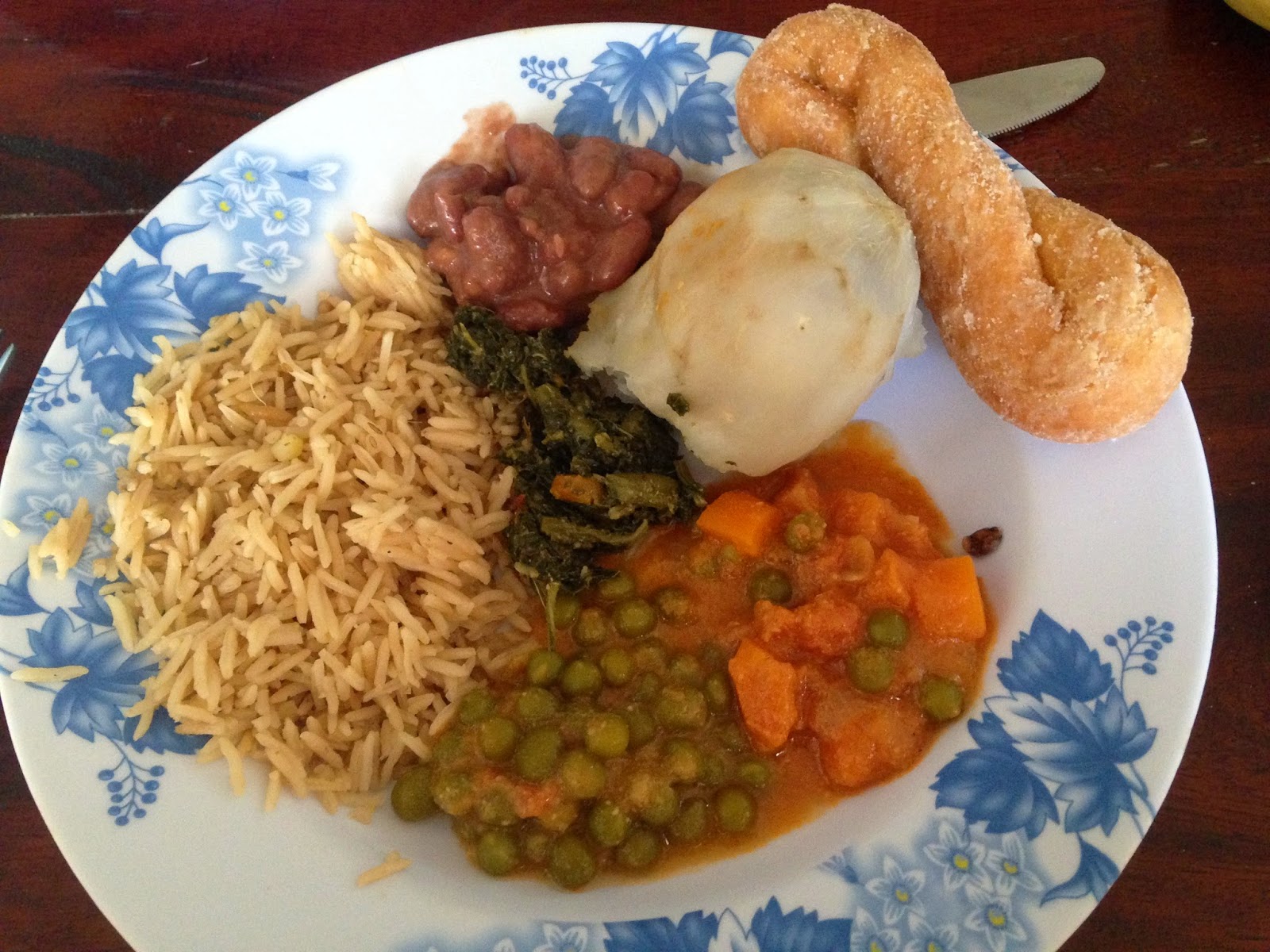
So you’ve been eating with your hands all these foods you’ve never seen before, and are ready to birth your food baby when your host grabs your plate and you think you’re finished.  Haha, NOPE.  An equally huge portion of rice, pilau, meats, and everything else gets piled back on your plate.  Your expression just drops as you realize that you might actually throw up if you keep eating.  A helpful phrase is “nimeshiba”, meaning “I am full”, but that actually means nothing to Zanzibaris and you have to eat more food anyway.  And once you’re actually done and there’s no more food to be piled on your plate, it’s time for chai!  Chai (communal name for all tea in Kiswahili) here is delicious and spicy and served extremely hot, which is great on super hot and humid days!

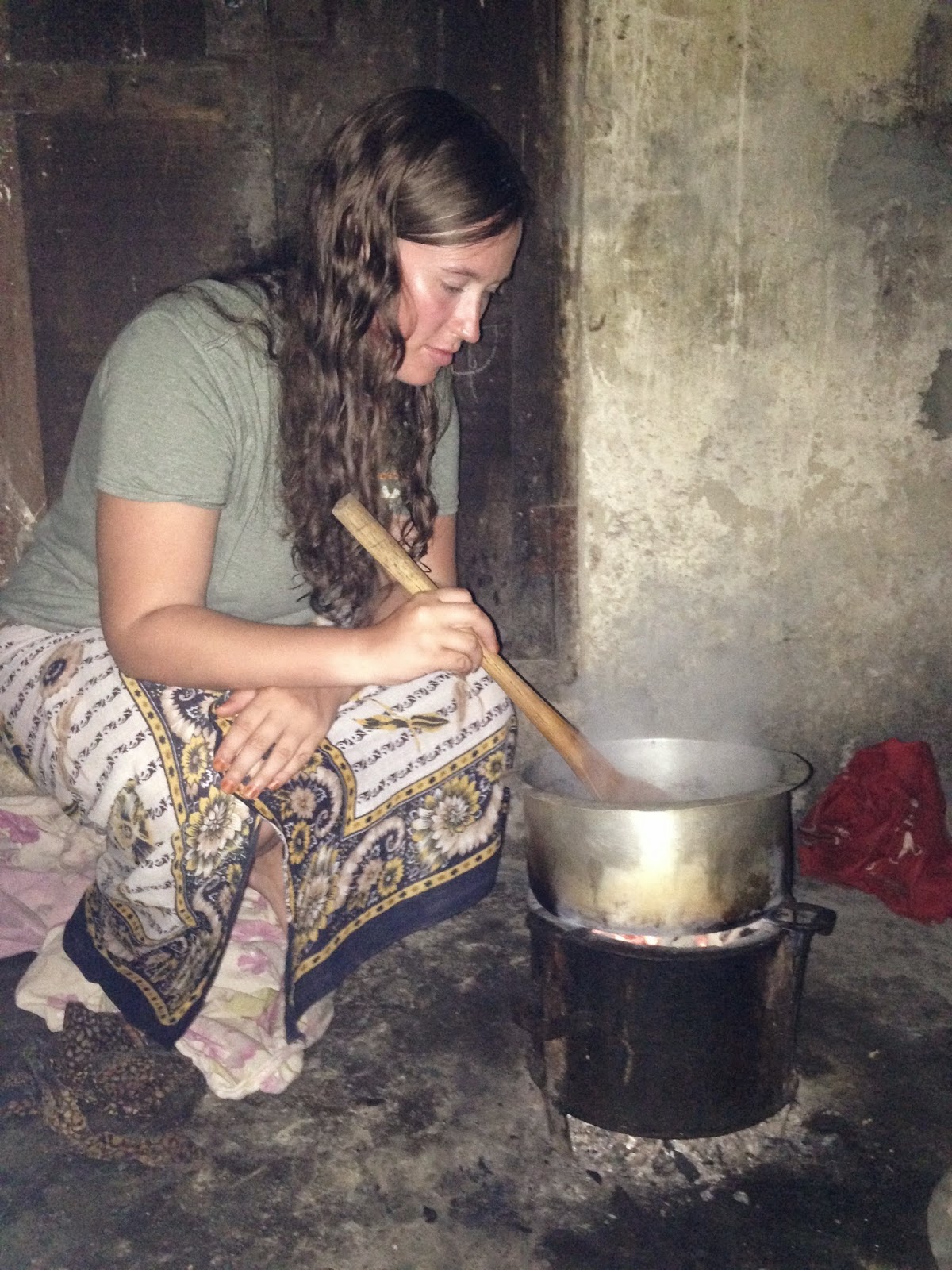
And by the way, cooking is done on the floor as well.  So hope your leg muscles are ready for a bunch of squats!
Anyway, once you’re finished with absolutely everything, it’s time to head back home, so you thank your host with goodbyes that are longer than the greetings, put your shoes back on, and pass out on your bed from all the food you ate.  Time to do it again tomorrow night!

Asante sana kwa kusoma!

Kim, DUSA Blogger
Kiswaspanglish?

Hamjambo!

Having been living in Zanzibar for over a month now, I’m starting to really use the language and learn a lot more about the Muslim culture here.  But I still constantly screw up with Kiswahili, hence the title of this post.  I guess I’m sort of tri-lingual now with English, Spanish, and Kiswhaili, so it would make sense that I get the three confused sometimes.  It’s been difficult learning the language, especially since I haven’t been truly introduced to a new language since I was about seven years old.

Capture7

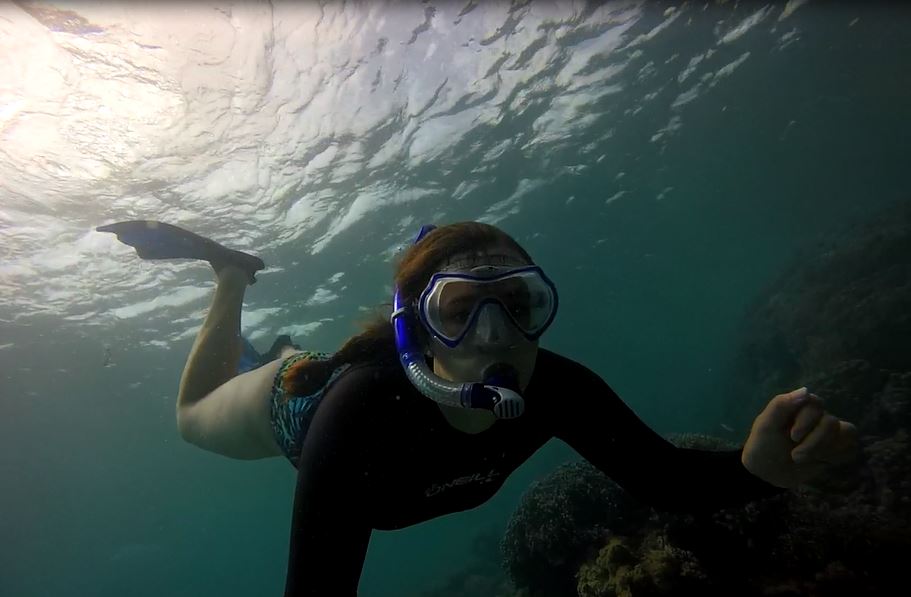
Luckily I don’t need the language to see the fish!

Probably the most fun we’ve had with Kiswahili are the mistakes we’ve made.  In my Kiswahili oral exam, I spoke a full sentence of Spanish to my mwalimu (teacher) before I realized I wasn’t in either English or Kiswahili.  I gasped, covered my mouth, and apologized over and over again.  My mwalimu thought it was absolutely hilarious, and I still passed, so that’s a good thing!  I’ve made many other not-so-great mistakes though, and so have the rest of the wanafunzi.  See below:

Trying to say: I’ve had a good day (responding to a greeting)
Actually said: Banana

Trying to say: I’m drinking coffee
Actually said: I’m taking a poop

Trying to say: Brush your teeth before you go to bed
Actually said: Brush your teeth before sex

Friend trying to say: Hold him back
Friend actually said: Grab his butt

Friend understood: My husband is doing laundry
What was actually said: My husband is dead

Whoops!

I love the strong emphasis on language learning with my program, it really allows so much more to open up to you versus just relying on someone else to speak English, which is completely possible in Stone Town, but I feel so much like a tourist that I want to use Kiswahili whenever I can.  People tend to really open up to you when they see that you’re really trying to learn the language.  Combine that with dressing appropriately (long skirt or pants, loose-fitting, shoulders covered), and conversations will carry on until the sun sets.  That’s definitely a defining part of Zanzibari culture, always taking the time to greet people.  This is what is meant by “pole pole” culture (pronounced pol-ay.  In Kiswahili, all letters are pronounced).  Learning more about culture leads to religion, which has huge influences on the daily lives of the Zanzibaris.  Muslim culture is not as well known in America, so I thought I’d break a bit of it down.

Clothing: 

One of the first cultural differences I noticed getting off the plane in Zanzibar was all the headscarves that women wear.  The only time I saw someone’s hair in public was if she was white (aka not Zanzibari).  Women are generally covered from neckline to ankles in loose-fitting clothing with a headscarf to top it all off.  Depending on how religious the woman is, she will either just wear her headscarf when she leaves the house or she will add a baibui to it, which is the face covering with a slit for her eyes (just don’t call it a buibui, that’s a spider, and side note: the spiders in Zanzibar are MASSIVE OH MY GOD).

When women leave the house, many wear a black overcoat, so walking around outside, you wouldn’t think that these women have much style or care too much about what they wear.  But once you’re inside a home or office, everything changes.  The baibui comes off, the overcoat comes off, and the most beautiful, colorful, fun fabrics are revealed.  Women have such an amazing choice of fabric in Zanzibar – I recently had my first experience at the market which if I were to describe it in one word, that word would be “balaa”.  Go look that one up.  But that’s a story for another day.

Anyway, I love the fabric choices women can have here – and women are very proud of their clothes (I mean, I would be too).  They’re also very loose-fitting and flowy, one part because women aren’t supposed to show the shape of their bodies, and one part because it’s too effing hot in Africa to wear tight clothes.  Your body is only for your husband, and he’s the only one who needs to see it.  And by covering most of your body, you also protect yourself from the harsh African sun.  Some of the wanafunzi (students) have taken to wearing them in public, and we’ve gotten comments on how beautiful we look, another indicator of how much headscarves are respected here.  And I kind of like the look on me too…

IMG_1609

Prayer: 

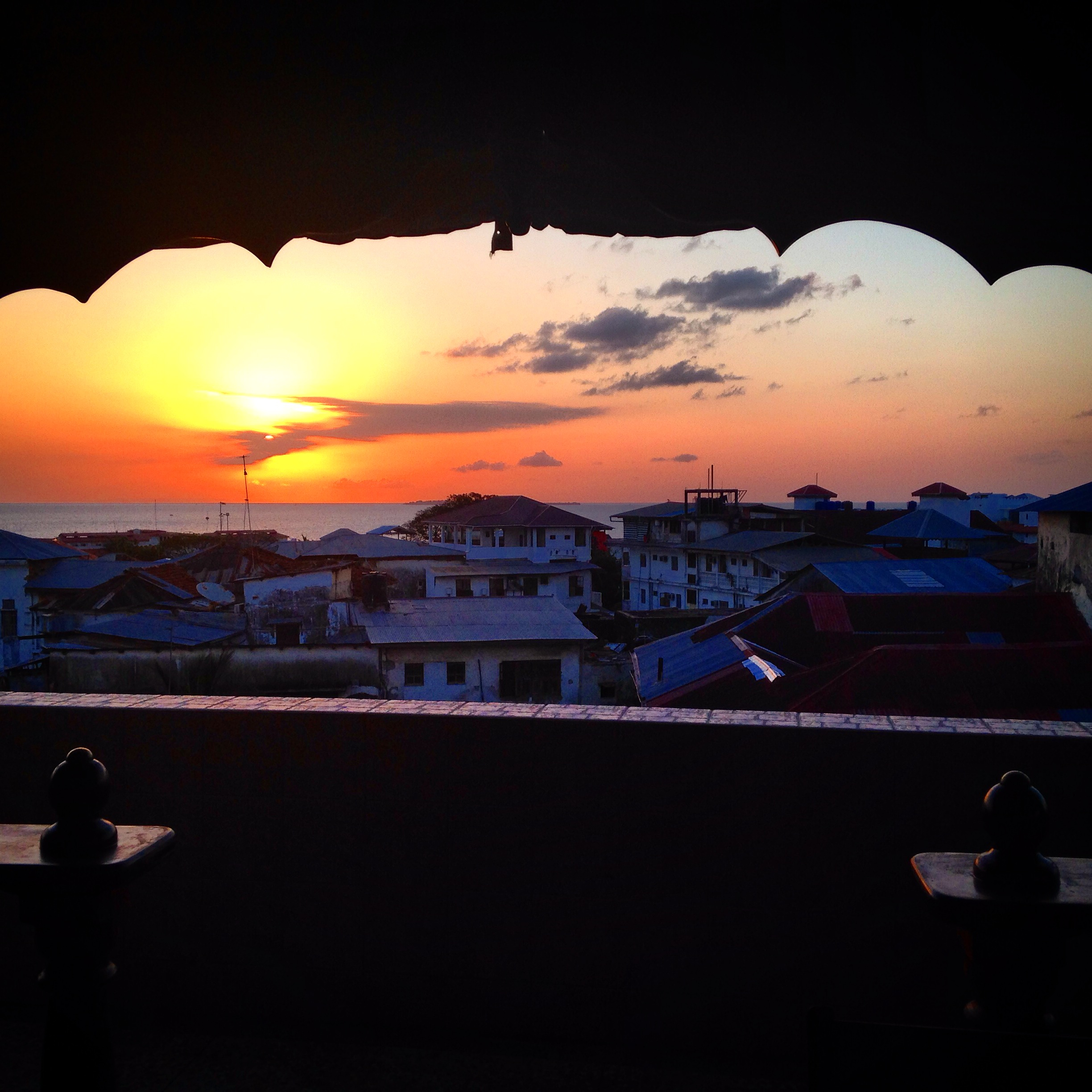
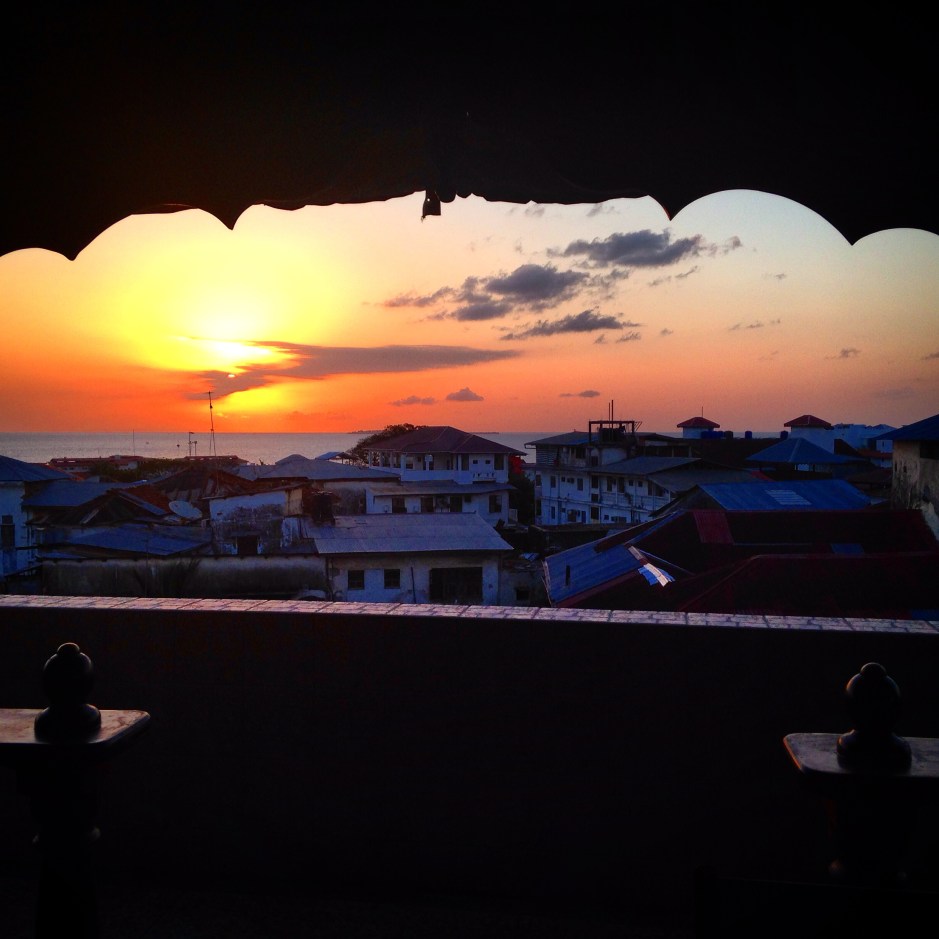
I consider myself lucky that I’m not studying abroad in Saudi Arabia, where the call to prayer is so loud it wakes you up at 5:30 am every day to make sure you don’t miss your morning prayers.  In Stone Town, I usually hear the call to prayer while I’m awake, but it’s not so loud that it would disturb any non-Muslim.  My new favorite study spot is this rooftop bar that overlooks the ocean, and the call to prayer is a bit louder there since the tower is about 200 feet away from the bar.  But the sunset over the ocean is totally worth it.

IMG_1606

Yup.  I win for best study spot, sorry Colorado

Hajj:

Last week I was able to see the beginning of a big part of Islam – making the hajj.  The hajj is something that every Muslim must do if he or she is financially and physically able, and that is to make a pilgrimage to Mecca.  The trip is full of religious understanding  and Muslims are considered very pure when they return.  Our group of wanafunzi visited a director of our program who left for hajj a few days later.  She invited us all to her home and we presented her with a new headscarf she can wear on her journey.  While excited, she knows that there is a small chance she will never come back from hajj.  Every year, with the massive crowds at Mecca, people, especially smaller people, are trampled to death, and it is recommended that before making hajj you get your affairs in order just in case something were to happen.  When she told me this, I thought about how morbid it was and why anyone would want to risk a terrible death in the name of Islam.  Then I caught myself.  This same kind of thing happens at St. Peter’s Square in the Vatican when a new pope is elected.  This same thing happens every year at Walmart during Black Friday, a “holiday” that celebrates the accumulation of material goods.  I later was very upset with myself for mentally criticizing someone’s way of life before thinking about how my culture views similar things.

Food:

The only part of Islam I’m not the biggest fan of is the restriction on eating or drinking things that are considered “dirty”.  This includes consuming alcohol or drugs as well as consuming pork.  And with the population of Zanzibar being more than 99% Muslim, pork is a rarity on the island.  So yes, I sincerely miss pulled pork, pork in the crockpot, pork on the grill, and I definitely miss bacon.

Also, y’all seemed to like my dolphin video, so here’s another video of our group of wanafunzi painting the side wall of one of our accommodations in Mangapwani, Zanzibar.  Enjoy!

http://www.youtube.com/watch?v=bq0BbxG89gA

Asante sana kwa kusoma!

(Thanks for reading!)

Kim, DUSA Blogger