
What is/are your major(s)?
International Studies & Socio-Legal Studies
What is/are your minor(s)?
Italian
What is the name of your study abroad program?
ISA: Meknes: Arabic Studies, International Relations & Language with Service-Learning
In what city & country is your study abroad program located?
Meknes, Morocco
What is something you would like the blog readers to know about you that they wouldn’t know by just looking at you?
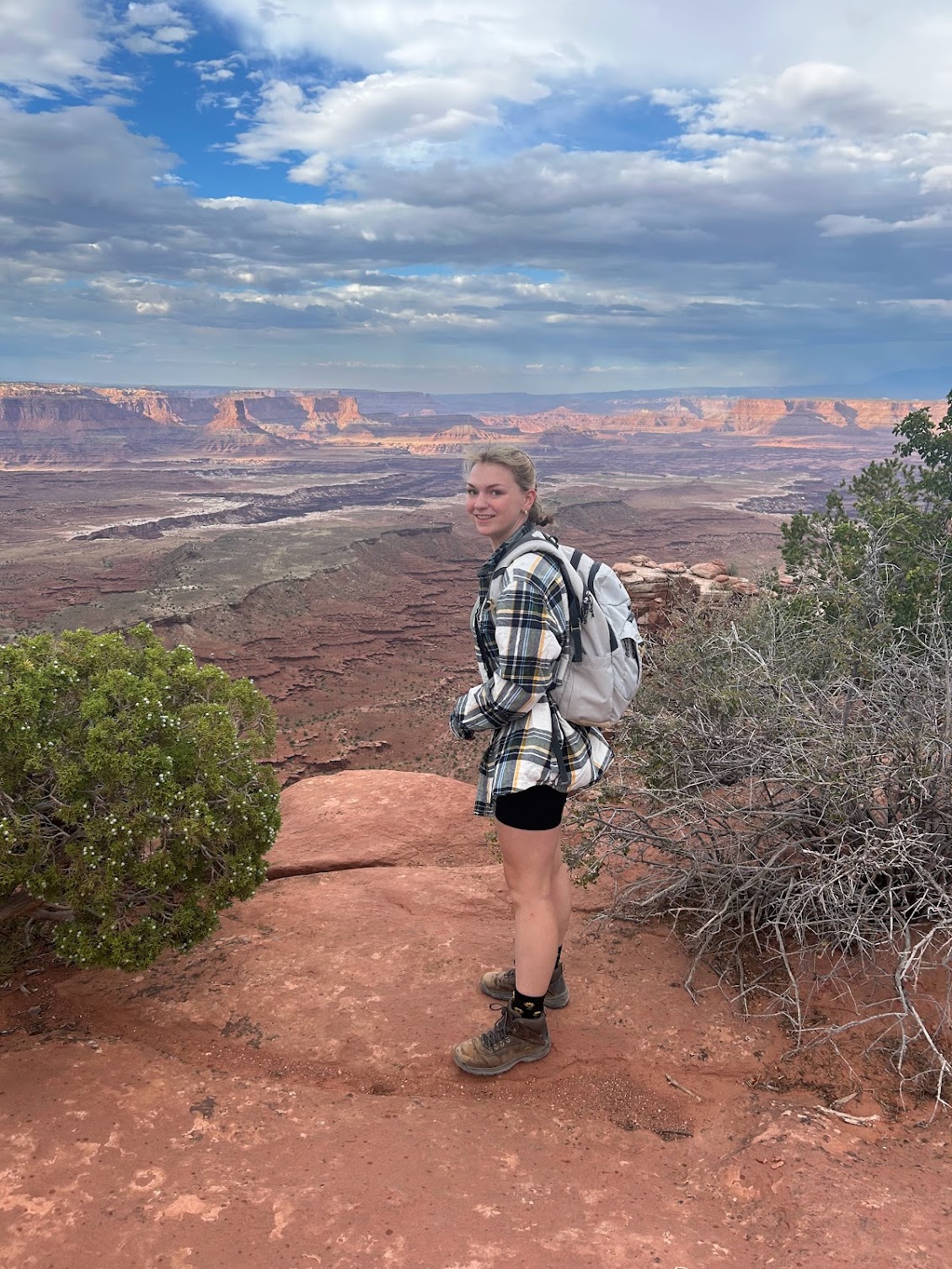
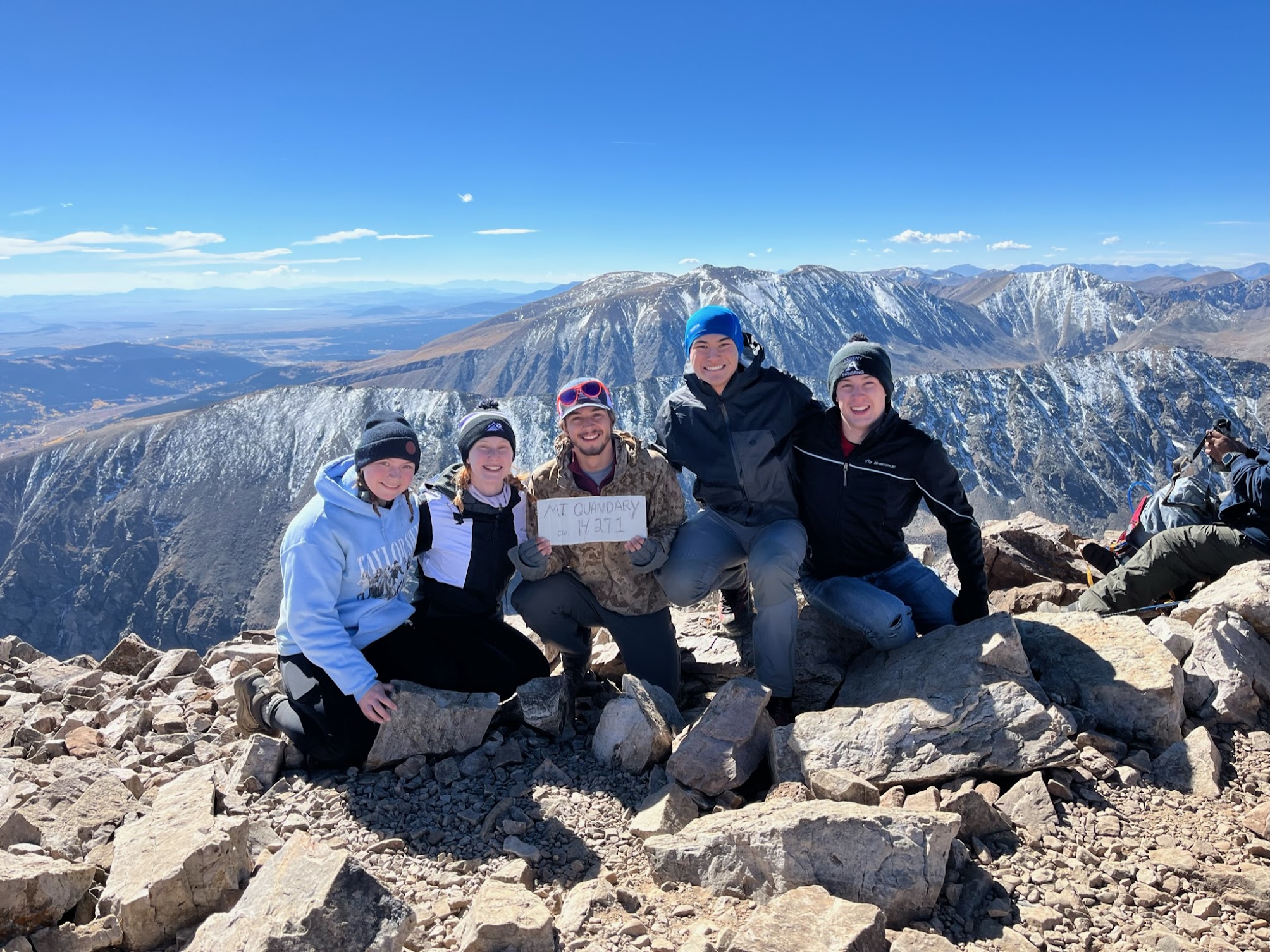
My family has lived in southern Colorado for five generations, so I love the mountains, rivers, and the outdoors in general. Having grown up in a low-income single-parent household, I believe that appreciating nature goes beyond having the fancy equipment to do it (even though it does help). I enjoy backpacking, camping, hiking, reading, crocheting, going to concerts, and taking scenic drives.
I’m also a huge Taylor Swift fan, but who isn’t?
What is one thing that you are most anticipating about your study abroad experience?
I am most anticipating learning the local language and living with a host family. I am an International Studies major, and for any future career, knowing multiple language will make me an enticing job candidate. Arabic is an important world language that I also have deep interest in.
My program offers both homestay and apartment options for housing, and I always knew that I wanted to do a homestay. This is heavily due to the fact that my program isn’t hosted by a university, but instead a study center for solely international students. I am taking courses in the Moroccan dialect of Arabic and trying to stay with a host family because of my dedication to cultural immersion.
Also, I am enrolled in the service learning portion of my ISA program. This means I will be engaging in the community through a mixture of volunteer work and career-building skills in my assigned Moroccan organization.
Morocco itself is going to be an amazing country to explore. The cities are rich with culture from the Middle East, Africa, France, and Spain, all of which will be new to me. Additionally, there are many beautiful natural phenomena: beaches, mountains, waterfalls, and, of course, the Sahara desert.
Why did you decide to study abroad? or What inspired you to study abroad?
I have to study abroad to fill the requirement for my international studies major. However, if I was studying anything else, I would still choose to. I’ve always wanted to study in another country, even before college. In high school, I was supposed to be going through the Rotary Youth Exchange program as an exchange student in Italy. We were trained and educated similarly to how we are at DU with our internationalization courses. I was so excited by the opportunity, but unfortunately never went abroad during my junior year because of the pandemic. I was absolutely distraught, and I’m still not truly over that disappointment. In fact, this loss is the primary reason why I chose Italian as my language of study at DU, which I am now minoring in.
I chose to study in Morocco rather than Italy because of my aforementioned desire to learn as many languages as possible. Also, the MENA region is incredibly important to international politics, so familiarity with the region and its culture would provide me with unique experiences. It also doesn’t hurt that I studied French in high school, and am hoping to refresh my skills while in Morocco.
Besides the advantages this program will give me, I’m also very unfamiliar with African and Middle Eastern cultures. When selecting a country, I prioritized those most different from Eurocentric or western culture because I want to see everything the world has to offer.
 DU Abroad