

In America, we have a little bit of every type of food. Italian, Japanese, Thai, Greek, the list goes on. Let me ask you this: have you ever seen a Czech restaurant? Because I never have. So, I wasn’t sure what to expect in the Czech Republic. Czechia is not a place globally known for their food, therefore the food isn’t really a common presence in other countries. So, I’m dedicating this blog to give a very basic breakdown of the food you can find in the Czech Republic.
Overall, there’s a pretty nice variety, but traditional Czech foods are pretty common anywhere you go.
The traditional dishes are all very heavy, and are typically made from lots of hearty plants because of the cold climate here. The most traditional meal is Svíčková, which
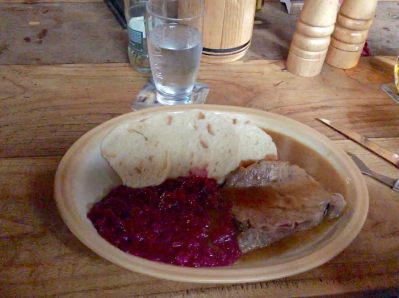
is braised beef or pork with dumplings and a sauce. Oh, and cabbage. You can’t forget the cabbage. There are many other meals that are different variations of this- different sauces, either bread or potato dumplings, filled or unfilled dumplings (typically unfilled), different meats, different cabbage, etc. This is typically served as a lunch food because lunch is the biggest meal and it WILL keep you full for the rest of the day.
I’m no food reviewer, but I’ll add that I find this meal delicious. The meat is always cooked so delicately that it pairs well with the dumplings, and then the acidity of the sauce and cabbage cuts the savoriness and helps bring out the flavors of the meat. A very good balance, I highly recommend trying to track some down.
Now, in general, the heartier the plant is, the more common it is. Czechia is a very “meat and potatoes” kind of place for just that reason. Pickled things (especially cabbage) are also common.
To sum it up:
- Red meats are more common than white, like sausages, braised beef, roasted pork
- The most common vegetables are root vegetables like cabbage, carrots, onions, potatoes, cabbage, celery, and cabbage. Oh, and did I mention cabbage? I never knew there were so many types of cabbage before coming here!
- Fruit, as far as I can tell, isn’t very prominent here. Fruit gelato and marmalade, however, is very common. It could be because fruit season has already peaked, but besides cranberries and the occasional banana, I haven’t seen a whole lot of fruit offered in restaurants.
- Another interesting thing is that all the bread here is rye bread. Rye has been a traditional crop in Central Europe since the middle ages, so everything made in the stores will have at least 30% rye in it, and caraway seeds are a common addition as well.
- Finally, let’s have a chat about cheese. Cheese might as well be its own food group
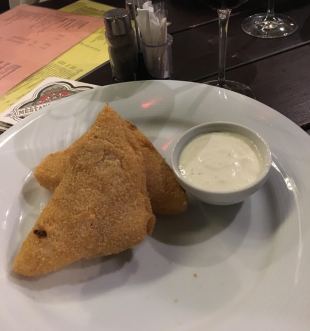
Artery-Clogging Fried Cheese here because it is very common and very popular. By a landslide, the most common type of cheese is eidam, which is originally from the Netherlands but was modified (by reducing the fat content and using the German name) and is now a proud Czech specialty. I’ll also add that cheese isn’t so much used as a topping as it is the main dish. We’re talking about fried cheese, people! My goodness is it amazing. I can affirm that you will likely feel your arteries begin to clog as you take each bite, but it is 100% worth it.
Now for my favorite part of any meal: DESSERT!
I absolutely love dessert. Favorite meal of the day, no competition. When I got here, to make the adjustment process easier, I told myself that whenever anything bad or inconvenient happened that I would make it better by getting dessert. So, I’ve had a lot of desserts.
By far the most common dessert products you’ll see will have wafers of some sort.
Wafers have been a Czech specialty since the 1800’s, where the thin, crispy, and slightly sweet wafers were handed out to spa guests. Now they’re in around 75% of the treats here.
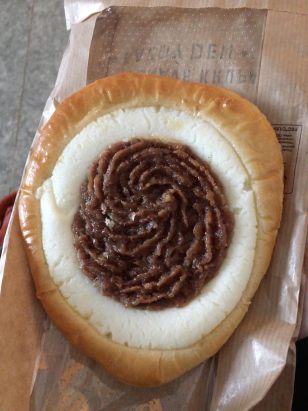
If you’re looking for hand-crafted desserts, you find a lot of flour-based creations. So, you see a lot of cakes, pastries, cream-puff looking things, etc. There are so many desserts that I could ramble on about, but I’ll stick with my current favorite: kolache. It’s similar to a Danish in that it’s dough with cream cheese, but it’s the filling that makes the difference. Poppy seed is a very common dessert filling here, and the traditional kolaches will have poppy seeds or jam in the middle.
I can go on and on about all the amazing and unique foods I’ve tried here, but I think the best option is to just come and taste for yourself. I’ll be happy to share!
Hannah Langford
CZECH REPUBLIC – MASARYK UNIVERSITY, 2018 FALL
Hannah Langford is taking a break from studying Integrated Sciences at DU to study history and culture at Masaryk University in Brno, Czech Republic. She’s looking forward to exploring the unique geography and outdoor opportunities in the area and the surrounding countries. She’s also looking forward to eating a lot of chocolate.



 DU Abroad